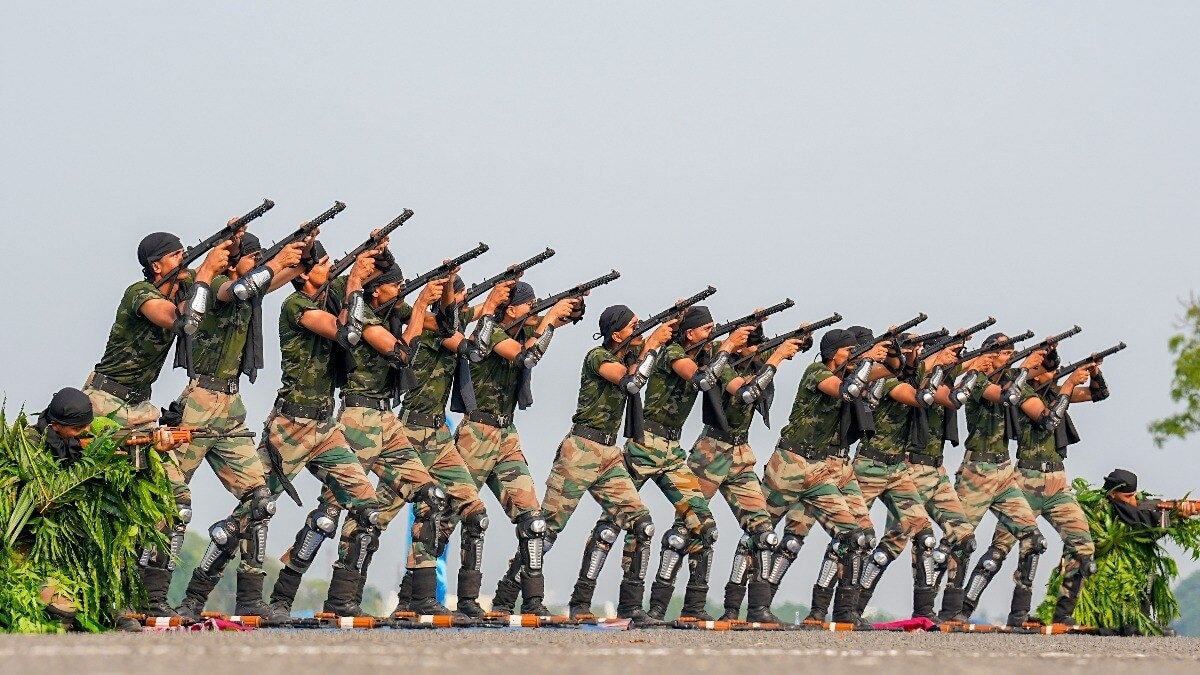
As the first batch of naval Agniveers nears the end of their four-year term, the Indian Armed Forces face a critical decision regarding retention rates and policy implementation.
Key Takeaways
- The inaugural batch of naval Agniveers is nearing the end of its four-year engagement.
- Current policy allows for a maximum retention of only 25% per batch.
- The Indian Armed Forces are reportedly reviewing if the 25% cap should be increased.
- Army and Air Force batches will follow a different timeline, completing in 2027.
The Agnipath recruitment model is approaching its first major milestone. The initial cohort of Agniveers, particularly within the Indian Navy, is nearing the conclusion of their four-year tenure. This transition marks the shift from policy design to real-world implementation, testing the very core of the scheme's effectiveness.
The first naval batch, consisting of approximately 2,600 personnel including women, began their journey at INS Chilka in late 2022. Having moved through basic, professional, and sea training, these individuals now stand at a crossroads where their future in the regular cadre depends on strict performance criteria.
Why This Matters
BozokMedia analysis shows that the outcome of this first exit cycle will dictate the future trajectory of military recruitment in India. The Navy, in particular, invests heavily in training sailors to handle sophisticated weaponry and communication systems. Losing a high percentage of this trained manpower could lead to a significant 'brain drain' within the technical branches of the services.
The completion of the first Agnipath cycle will serve as the ultimate litmus test for the scheme's ability to balance youthful energy with professional continuity.
Under the current framework, selection for permanent enlistment is not an automatic right. It is a centralized, objective process where up to 25% of a batch may be retained based on performance, organizational requirements, and service-specific policies.
The Push for Higher Retention
There is growing internal discourse within the Army, Navy, and Air Force regarding the current 25% ceiling. Reports suggest that the services are examining the possibility of recommending a much higher retention rate to the government. The rationale is simple: the expertise gained during four years of service is too valuable to be released entirely back into the civilian workforce.
Frequently Asked Questions
1. How are Agniveers selected for permanent service?
Selection is based on a centralized process evaluating performance during the four-year period and the specific manpower needs of the service.
2. When will the Army's first batch complete its tenure?
The Indian Army's first Agniveer cohort is expected to complete its four-year term in early 2027.