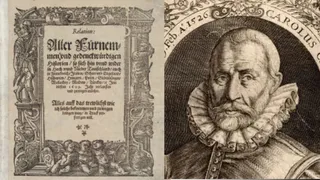
In 1605, Johannes Carolus of Strasbourg released the world’s first printed newspaper, ending the era of hand‑written news. The innovation accelerated information flow and set the foundation for modern journalism.
Key Takeaways
- First printed newspaper launched in Strasbourg, 1605
- Johannes Carolus was the pioneer publisher
- Printing press revolutionized information dissemination
The Rise of the Printing Press
In Strasbourg, Johannes Carolus printed the Relation aller Fürnemmen und gedenckwürdigen Historien in 1605. Prior to this, he hand‑wrote news, a labor‑intensive process that limited reach.
From Hand‑Written to Printed News
Hand‑written news circulated among a small elite, whereas the printing press enabled identical copies to be produced quickly for many readers. This shift established a regular weekly publication schedule and democratized news access.
Content and Format of the First Newspaper
The inaugural newspaper resembled a small book rather than today’s multi‑section broadsheets. It compiled political events, wars, royal activities, and other notable happenings from across Europe.
Why This Matters
BozokMedia analysis shows that the 1605 breakthrough laid the groundwork for today’s 24‑hour news cycle, influencing everything from modern press freedom to digital media economics.
"The printing press established the cornerstone of modern journalism and shaped public opinion."
Frequently Asked Questions
In which language was the first newspaper printed? It was primarily printed in German, reflecting Strasbourg’s linguistic context at the time.
How did the printing press change the news industry? By enabling mass production of identical copies, it broadened audience reach, spurred the rise of regular news cycles, and fostered a more informed public.