A week after the deadly flash floods in Nepal, rescue operations continue amidst criticism of inadequate international aid and questions regarding missed early warning signs.
- Communities along the Nepal-Tibet border are leading local rebuilding efforts.
- Experts condemn initial US aid contributions as 'pitiful' given the scale of destruction.
- Ongoing investigations into whether pre-event warning signs were ignored.
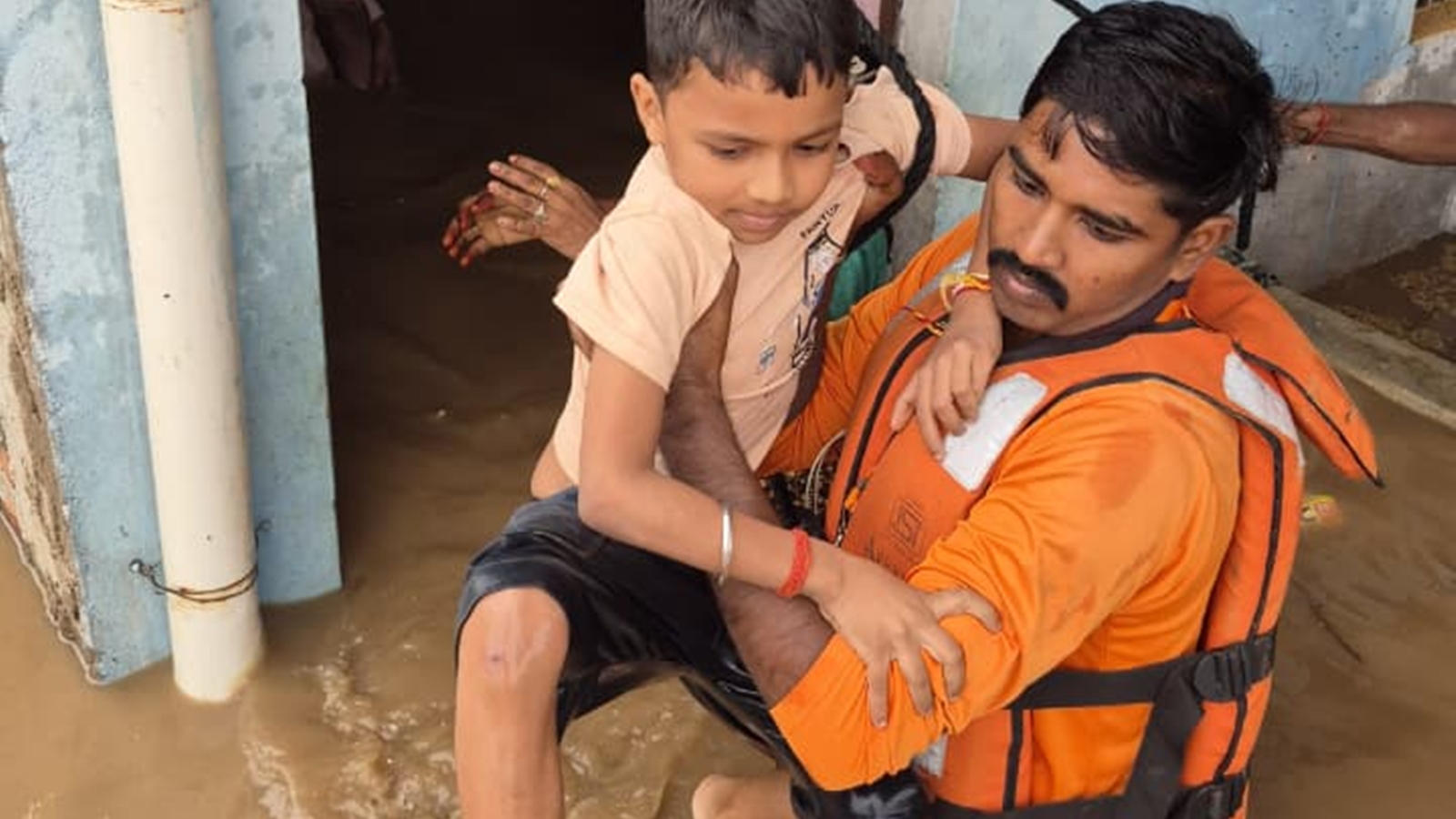
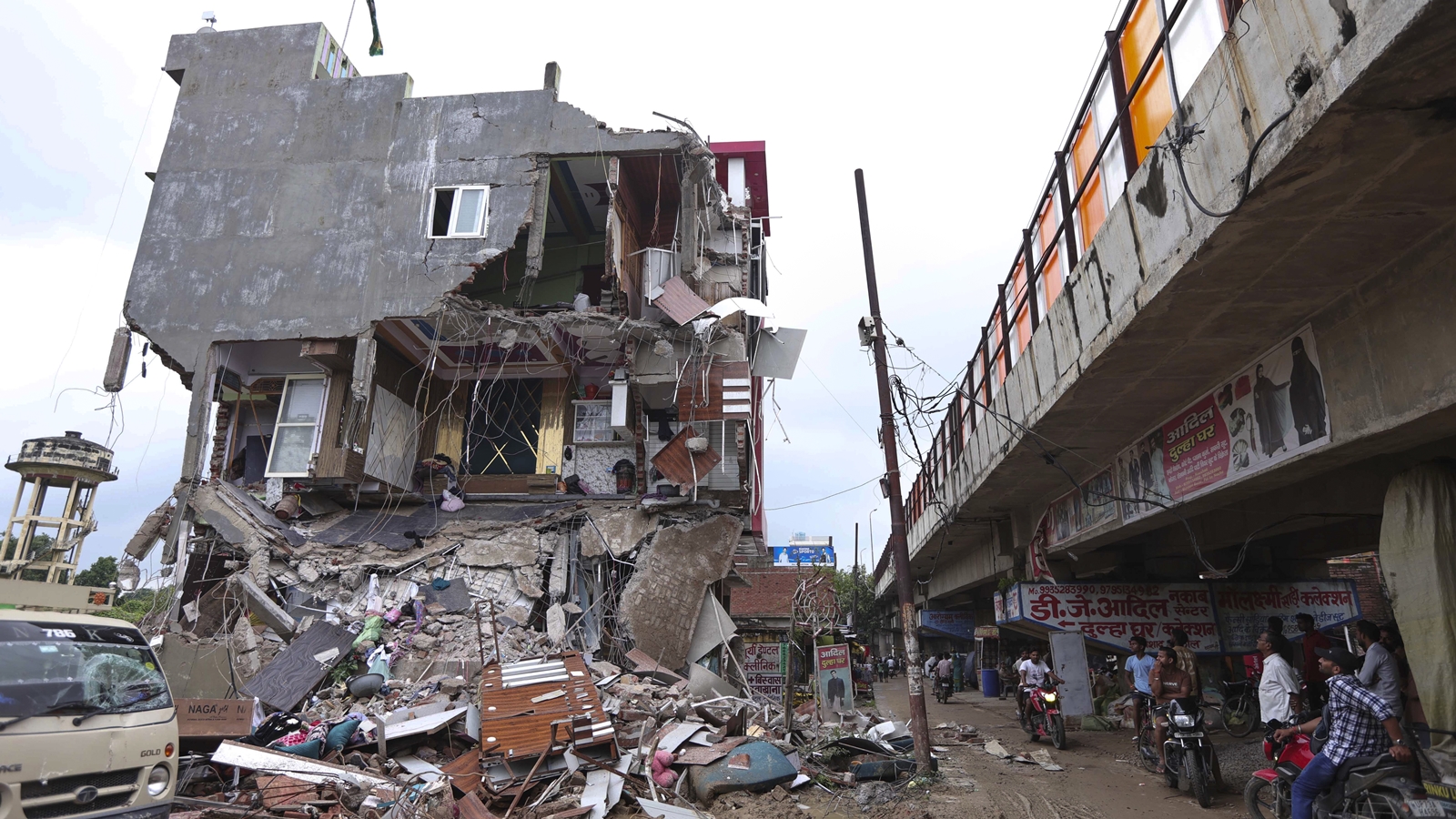
One week after the catastrophic flash floods tore through Nepal, the nation remains in a state of profound mourning and struggle. Search and rescue operations are still underway in several high-altitude regions, where the terrain remains unstable and access to remote villages is severely limited by debris and landslides.
Despite the immense loss of life and property, a remarkable story of resilience is emerging from the Nepal-Tibet border. Local communities, having lost almost everything, are working collectively to rebuild their homes and support their neighbors, demonstrating a level of grassroots solidarity that transcends official relief efforts.
Why This Matters
BozokMedia analysis shows that the scale of this disaster underscores the extreme vulnerability of the Himalayan region to rapid climate shifts. The inability to effectively scale up rescue operations in such rugged terrain highlights a critical gap in regional disaster preparedness and infrastructure.
The gap between the scale of devastation and the speed of international response remains a critical concern for humanitarian agencies.
The international response has come under intense scrutiny. Humanitarian experts have characterized the initial aid contributions, particularly from the United States, as 'pitiful' in comparison to the sheer magnitude of the humanitarian crisis unfolding in the valleys.
Furthermore, serious questions are being raised regarding disaster mitigation. Investigative reports suggest that there may have been 'pre-event indications' that were missed. Analysts are now scrutinizing whether the government and meteorological departments failed to act on early warning signs that could have saved countless lives.
Frequently Asked Questions
Question 1: What is the current status of the search operations?
Answer: Operations are ongoing but hindered by difficult terrain, ongoing landslides, and damaged infrastructure.
Question 2: Why is the international aid being criticized?
Answer: Experts argue that the volume and speed of aid do not match the catastrophic scale of the flood impact.