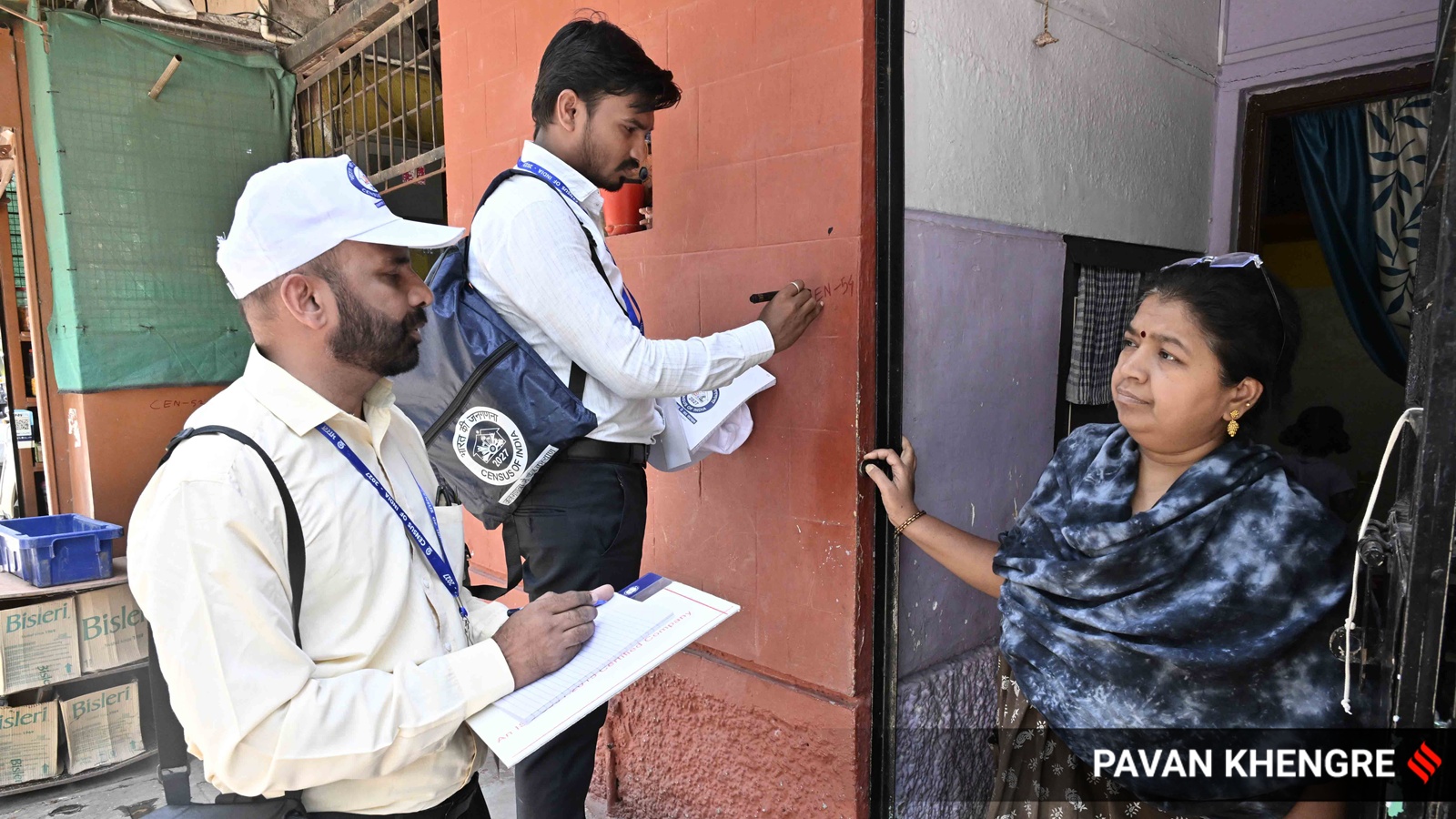
The Indian government has cleared 40 key questions for the 2027 Census, covering scheduled castes, Aadhaar numbers and other socio‑economic indicators. The comprehensive list aims to capture detailed household data for better policy planning.
Key Takeaways
- Centre approves 40 new census questions
- Includes caste, Aadhaar, birthplace, migration details
- Women‑specific data collection emphasized
New Questionnaire for Census 2027
The Union Government has officially cleared 40 questions for the upcoming 2027 Census. These cover basic demographic information such as name, age, sex, marital status, nationality, religion, caste, mother tongue and languages spoken.
Additional items probe literacy, digital literacy, school attendance, highest education level, employment status, occupation, industry classification and migration history. The expanded dataset is expected to aid policymakers in addressing socio‑economic disparities.
Historical Background
Previous censuses, notably the 2011 exercise, faced criticism for limited caste‑related data, making it difficult to gauge social inequities accurately. The 2027 Census seeks to fill this gap by gathering granular caste and community information.
Why This Matters
BozokMedia analysis shows that the inclusion of caste and Aadhaar details will enable more targeted welfare schemes and help bridge regional disparities, making the 2027 Census a pivotal tool for inclusive development.
"Accurate caste and Aadhaar data are essential for equitable resource allocation," says Dr. Anjali Mehta, demography expert.
Frequently Asked Questions
Question 1: Will the Aadhaar number question apply to every respondent?
Answer: Yes, the questionnaire will request Aadhaar details from all households to ensure precise identity verification.
Question 2: How will this new data benefit policymakers?
Answer: Detailed socio‑economic data will allow for more targeted program design, improving social equity across the nation.