In August 2001, Chennai journalists staged a day-long fast near the State Guest House to protest violent police attacks on media personnel and demand a CBI probe.
Key Takeaways
- Chennai journalists observed a hunger strike on August 15, 2001.
- The protest was against brutal police attacks on photographers and camerapersons.
- Journalists demanded a CBI inquiry and compensation for damaged equipment.
On the morning of August 15, 2001, while Tamil Nadu Chief Minister J. Jayalalithaa was hoisting the national flag at Fort St. George, a different kind of struggle was unfolding just 3.5 km away. Scores of journalists sat on a hunger strike near the State Guest House in Chennai, marking a significant moment in the history of press freedom in India.
Historical Background
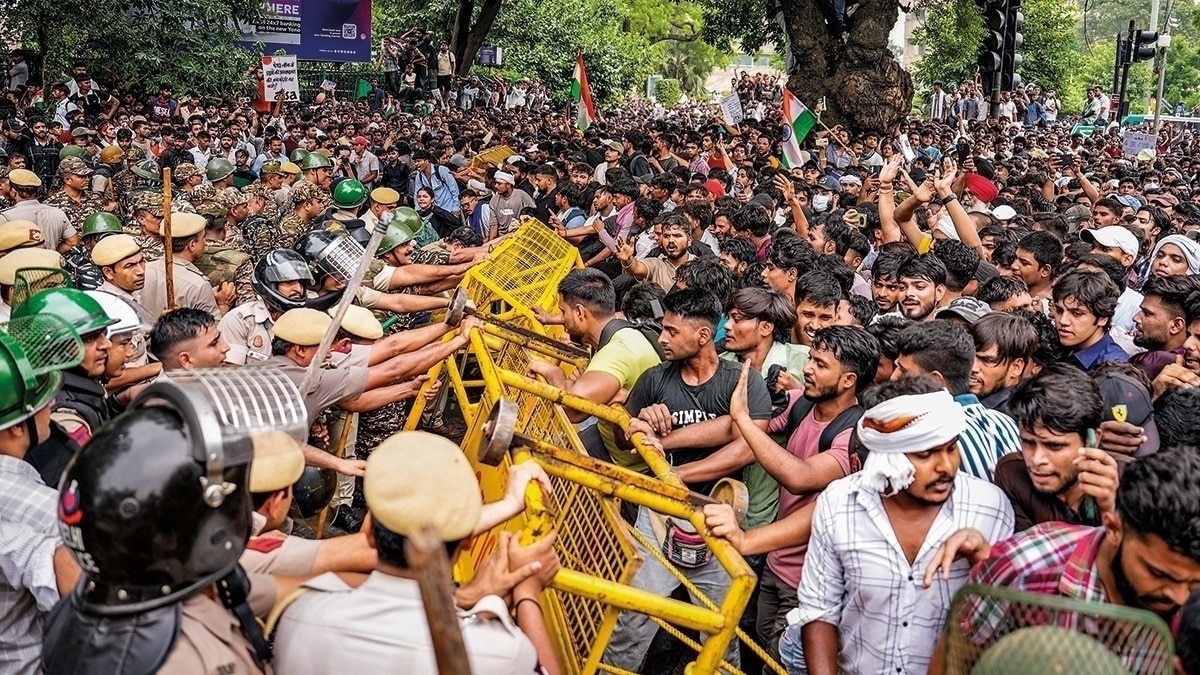
The protest was triggered by a violent incident on the night of August 12, 2001. While covering a DMK rally near the DGP office on Dr. Radhakrishnan Salai, several journalists, including photographers and camera operators, were allegedly attacked by the police. The clashes left many reporters with bleeding injuries and caused significant damage to expensive broadcasting equipment.
Why This Matters
BozokMedia analysis shows that this period was marked by intense friction between the state administration and the media fraternity. The journalists' decision to fast on Independence Day—a day symbolizing liberty—was a powerful symbolic gesture against the perceived suppression of their constitutional rights to report the news.
"The standoff between the media and the police in 2001 remains a landmark case study in the struggle for journalistic safety in India."
While Chief Minister Jayalalithaa claimed the journalists were caught in the crossfire of unruly elements, the media community remained unconvinced. Organizations like the Chennai Press Club and the Madras Union of Journalists stood in solidarity, eventually taking the matter to the Madras High Court with senior advocate P. Chidambaram representing them pro bono.
The Legal Battle
The Journalists Action Group filed a petition seeking a CBI inquiry and compensation for those injured. This movement highlighted the vulnerability of field reporters during political unrest and set a precedent for how media bodies can organize collectively against state excesses.
Frequently Asked Questions
1. What was the primary cause of the 2001 protest?
The protest was a reaction to physical attacks by police on journalists covering a political rally.
2. Who represented the journalists in court?
Senior advocate and former Union Minister P. Chidambaram represented the journalists pro bono.