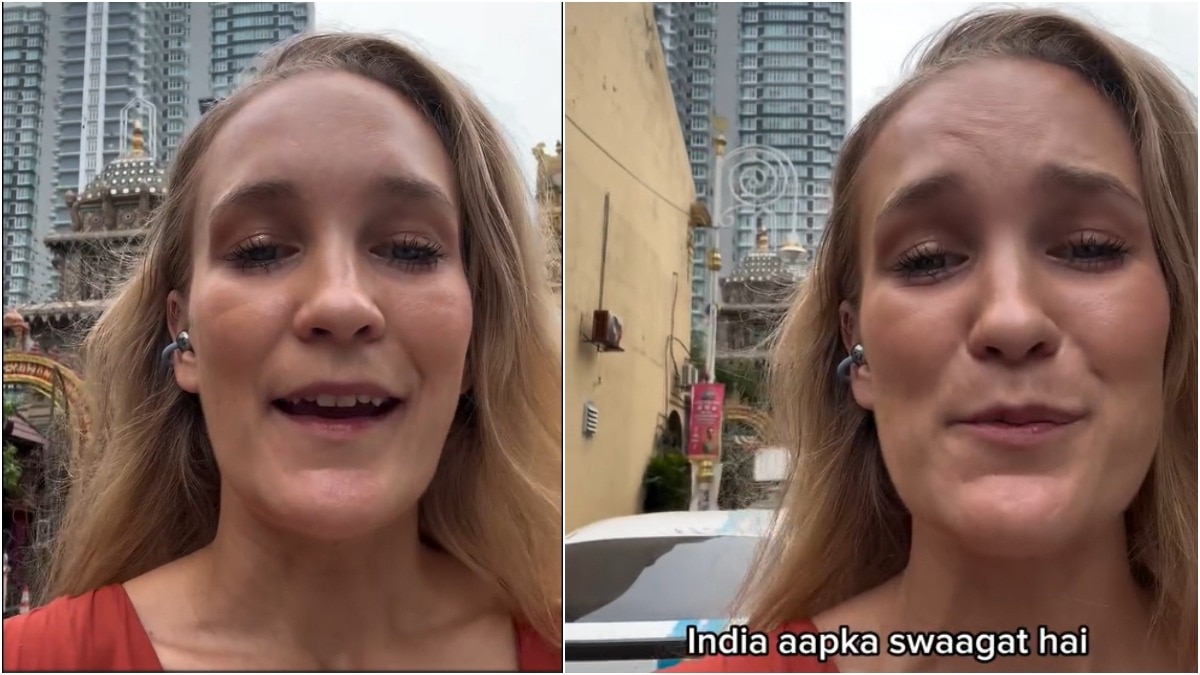
Breaking the common narrative of tourist scams, a foreign traveler shares her extraordinary experiences of being undercharged and welcomed into Indian homes. Her viral story highlights a side of Indian tourism defined by generosity rather than greed.
- Foreign traveler 'Jane' challenges the stereotype that tourists are always overcharged in India.
- Experiences include being undercharged for tea, receiving free desserts, and invitations to family weddings.
- The narrative emphasizes 'Atithi Devo Bhava' (Guest is God) over the common 'tourist trap' trope.
In a digital landscape often filled with warnings about 'tourist traps' and inflated prices for foreigners, a travel influencer known as Jane, through her Instagram handle 'Jane Ki Khoj', has sparked a viral conversation by sharing the opposite experience. While the narrative of bargaining with auto-rickshaw drivers is a staple of travel blogs, Jane's journey across India has been marked by unexpected generosity and profound hospitality.
Jane openly acknowledged that while overcharging does occur—particularly in transport—it is not the defining characteristic of her journey. She revealed a touching discovery where her local chaiwala had been charging her less than the standard rate, simply because she was a guest in the country. This act of kindness was mirrored in various restaurants where she was frequently served complimentary desserts as a gesture of welcome.
Why This Matters
BozokMedia analysis shows that this shift in narrative is crucial for India's soft power and tourism branding. While the 'scam' narrative often dominates Western travel forums, authentic stories of grassroots hospitality reinforce the cultural ethos of Atithi Devo Bhava. By highlighting the organic kindness of strangers, Jane's experience suggests that the emotional value of Indian hospitality often outweighs the transactional frustrations of urban travel.
The juxtaposition of commercial exploitation and genuine cultural warmth creates a unique psychological landscape for travelers in India, making the journey an emotional rollercoaster.
Beyond financial gestures, Jane's experience delved into the deep social fabric of India. She recounted how strangers invited her into their homes for meals and even included her in intimate family celebrations like weddings. This 'chain of hospitality' often extended across cities; if Jane mentioned her next destination, her hosts would proactively connect her with relatives or friends in that city to ensure she had a safe and welcoming place to stay.
During her initial visit, this network of kindness became her primary mode of accommodation. This level of trust and openness, she noted, is rare in many other parts of the world. The viral nature of her video, which has garnered over 28,000 views, has led to a polarized but positive debate online, with many Indians expressing pride in their culture while others jokingly lamented the stubbornness of local auto drivers.
Frequently Asked Questions
Q1: Does Jane deny that overcharging happens in India?
No, she acknowledges that it happens, especially with auto-rickshaws, but argues that the frequency of kindness and undercharging is higher.
Q2: How did Jane find accommodation during her first trip?
She primarily stayed with Indian families who invited her into their homes after meeting her during her travels.