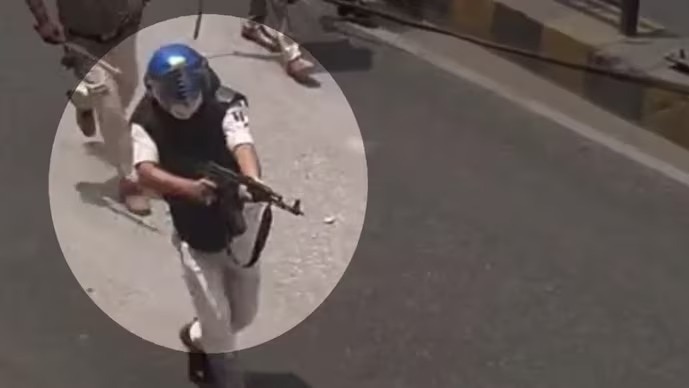
The Bihar government has admitted to the Supreme Court that an AK-47 was fired in the air during student protests in Siwan. While denying excessive force, the government detailed the violence and subsequent arrests.
- Admission of 4 rounds of AK-47 firing in the air by a constable in Siwan.
- 69 FIRs registered and approx 500 arrests made between July 22-25.
- Severe injuries to administrative officials (BDOs) in Chhapra.
- Delhi Police also denied allegations of excessive force in a separate affidavit.
The legal battle over the police crackdown on student protests in Bihar has reached the Supreme Court. In a formal affidavit, the state government has attempted to balance the narrative by denying allegations of systemic 'excessive force' while admitting to specific lapses and violent clashes.
According to the government, the protests against the NEET paper leak turned violent in several regions. Between July 22 and July 25, the administration registered 69 FIRs and detained nearly 500 individuals. In a move to mitigate criticism, the government stated that 222 students with no prior criminal record were released on bail, and minors were let go after signing simple bonds.
The Siwan and Chhapra Incidents
The most critical revelation in the affidavit concerns the Siwan district. The government admitted that a police constable, feeling trapped by the crowd, fired four rounds from an AK-47 into the air. While the state maintains that no one was injured in this specific instance, the officer has been suspended and departmental proceedings have been initiated.
Further escalations were reported at Hathi Chowk, where an Assistant Sub-Inspector (ASI) fired two rounds from a 9mm pistol, resulting in minor injuries to three protesters. Ballistic tests are currently underway to determine the distance and angle of the shots.
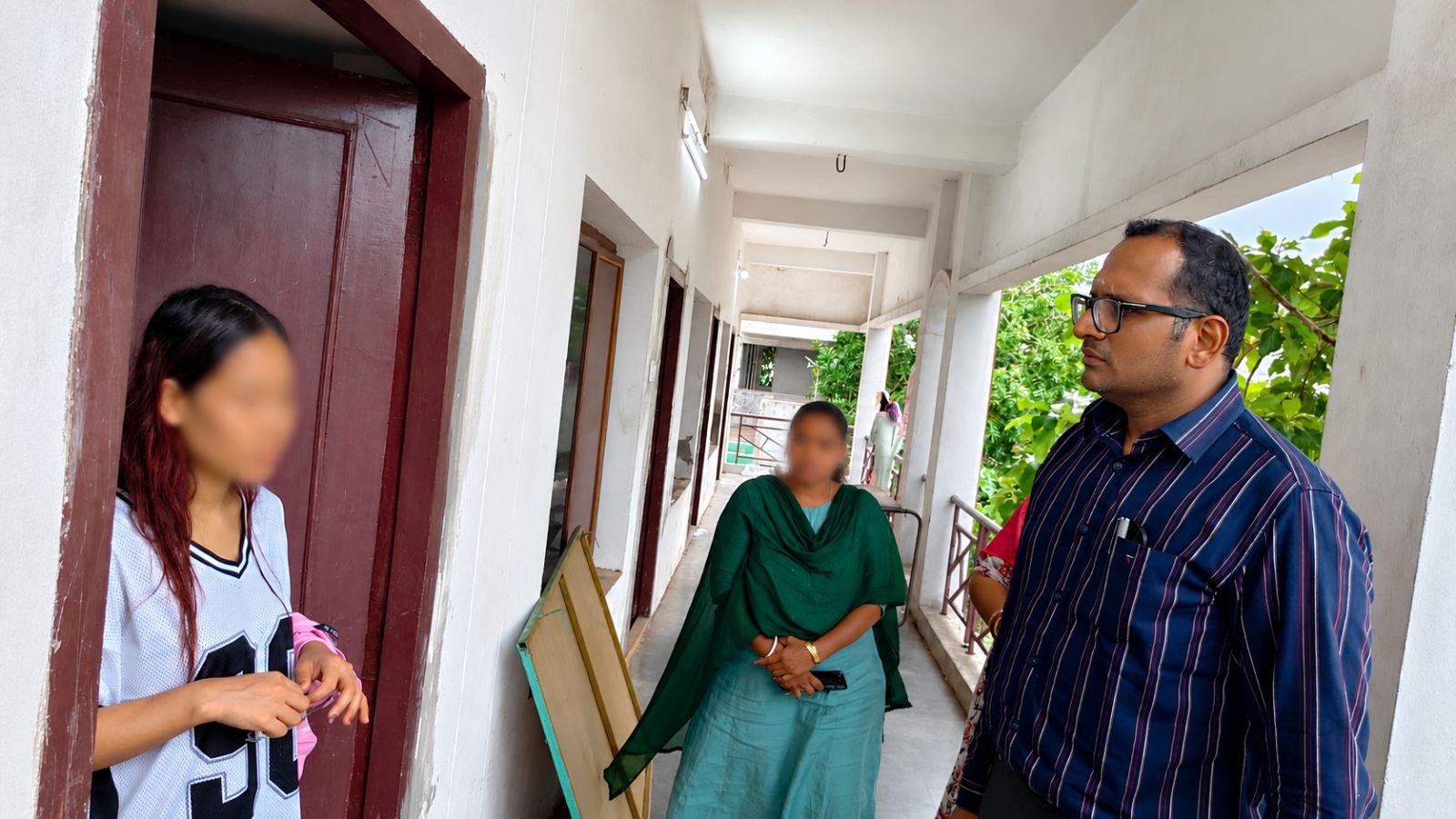
The violence in Chhapra was particularly severe for the administration. Two Block Development Officers (BDOs), three inspectors, and 11 constables were injured. One BDO reportedly lost an eye, while another suffered a critical head injury, highlighting the intensity of the clashes.
Why This Matters
BozokMedia analysis shows that the admission of using military-grade weaponry like AK-47s in a civilian protest setting is a significant admission of failure in crowd-control training. It suggests a breakdown in the chain of command where individual officers resorted to extreme measures. This case will likely set a precedent for how state governments are held accountable for the weaponry deployed during civil unrest.
"The deployment of high-caliber weapons in urban protest zones is a dangerous escalation that undermines the principles of democratic policing."
Simultaneously, the Delhi Police filed their own affidavit, denying excessive force during similar protests. They claimed that 5,000 personnel were deployed to manage 30,000 protesters. The police argued that the involvement of 'anti-social elements' and 'history-sheeters' necessitated the use of graded force after barricades were breached.
Frequently Asked Questions
Q1: Was anyone killed in the Siwan AK-47 firing?
No, the government stated the firing was in the air and no casualties occurred.
Q2: What happened to the students who were arrested?
Out of nearly 500 arrests, 222 students without criminal records were released on bail.