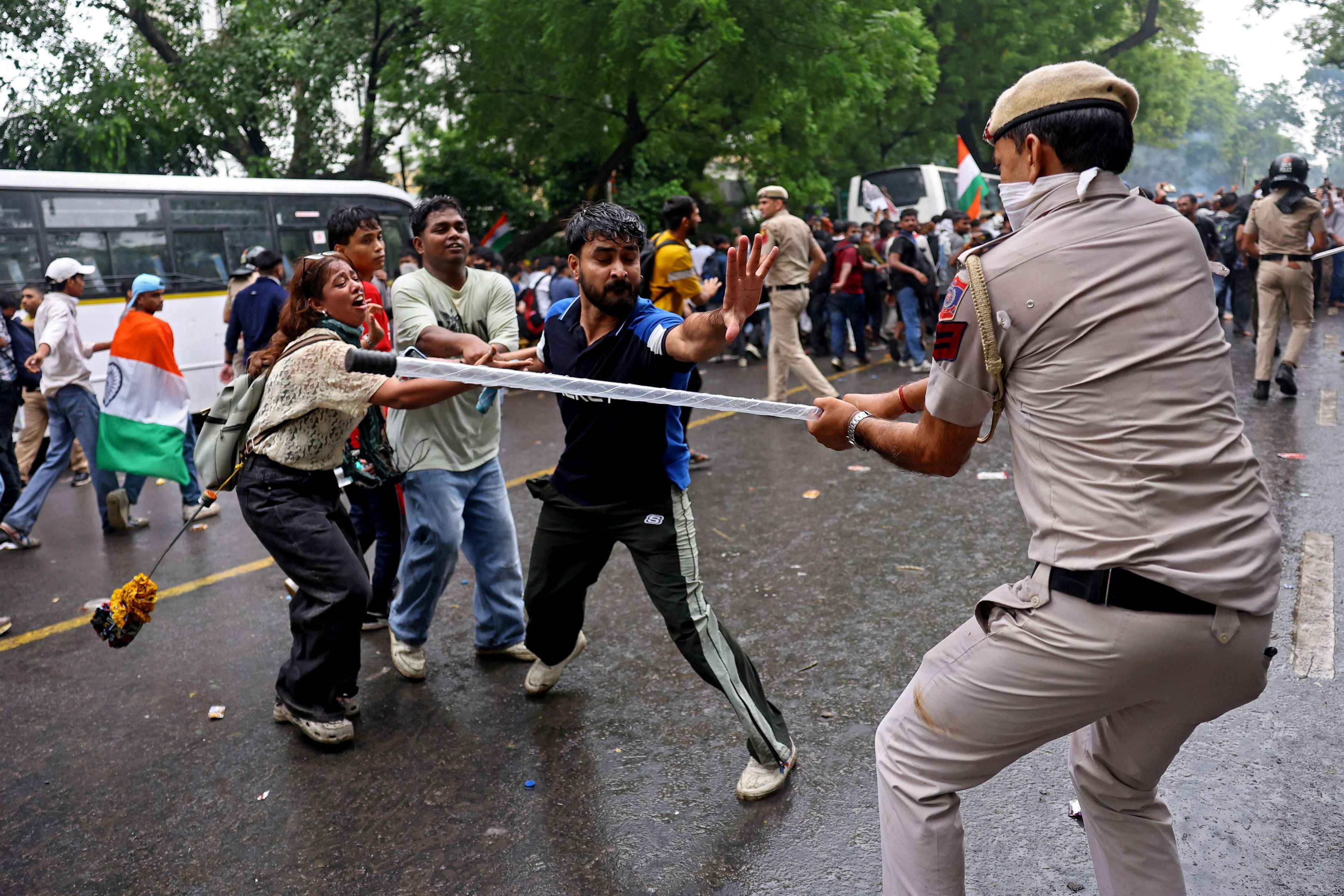
In a formal affidavit filed with the Supreme Court, the Delhi Police have refuted allegations of excessive force during the CJP student protests, citing a massive crowd of 30,000 and escalating violence.
- Delhi Police filed an affidavit in the Supreme Court denying brutality.
- Crowd size estimated at over 30,000 participants.
- Force was justified as a response to violence and chaos.
The legal battle surrounding the CJP student protests at Jantar Mantar has escalated to the Supreme Court of India. The Delhi Police, in a comprehensive affidavit, have categorically denied the allegations of using excessive force against student protesters, asserting that their actions were measured and necessary.
According to the police submission, the scale of the gathering was unprecedented, with an estimated 30,000 people converging at the site. The affidavit details how the situation deteriorated, claiming that a section of the crowd turned violent, prompting the security forces to intervene to prevent further damage to public property and ensure the safety of personnel.
Why This Matters
BozokMedia analysis shows that this case highlights the recurring tension between the fundamental right to protest and the state's mandate to maintain public order. The court's interpretation of this incident will likely set a precedent for how 'reasonable force' is defined during large-scale student-led demonstrations in urban centers.
"The judicial scrutiny of crowd control tactics is essential to ensure that the right to dissent is not stifled by administrative overreach."
Historically, Jantar Mantar has served as the epicenter for political and social dissent in India. However, the management of such high-density crowds often leads to friction. The Delhi Police have maintained that the operational protocol was followed and that the force used was proportionate to the threat posed by the violent elements within the protest.
Q1: What was the primary defense of the Delhi Police?
A: The police cited the presence of 30,000 people and the occurrence of violence as the reasons for their actions, denying any excessive force.
Q2: Where was the affidavit filed?
A: The affidavit was filed in the Supreme Court of India.