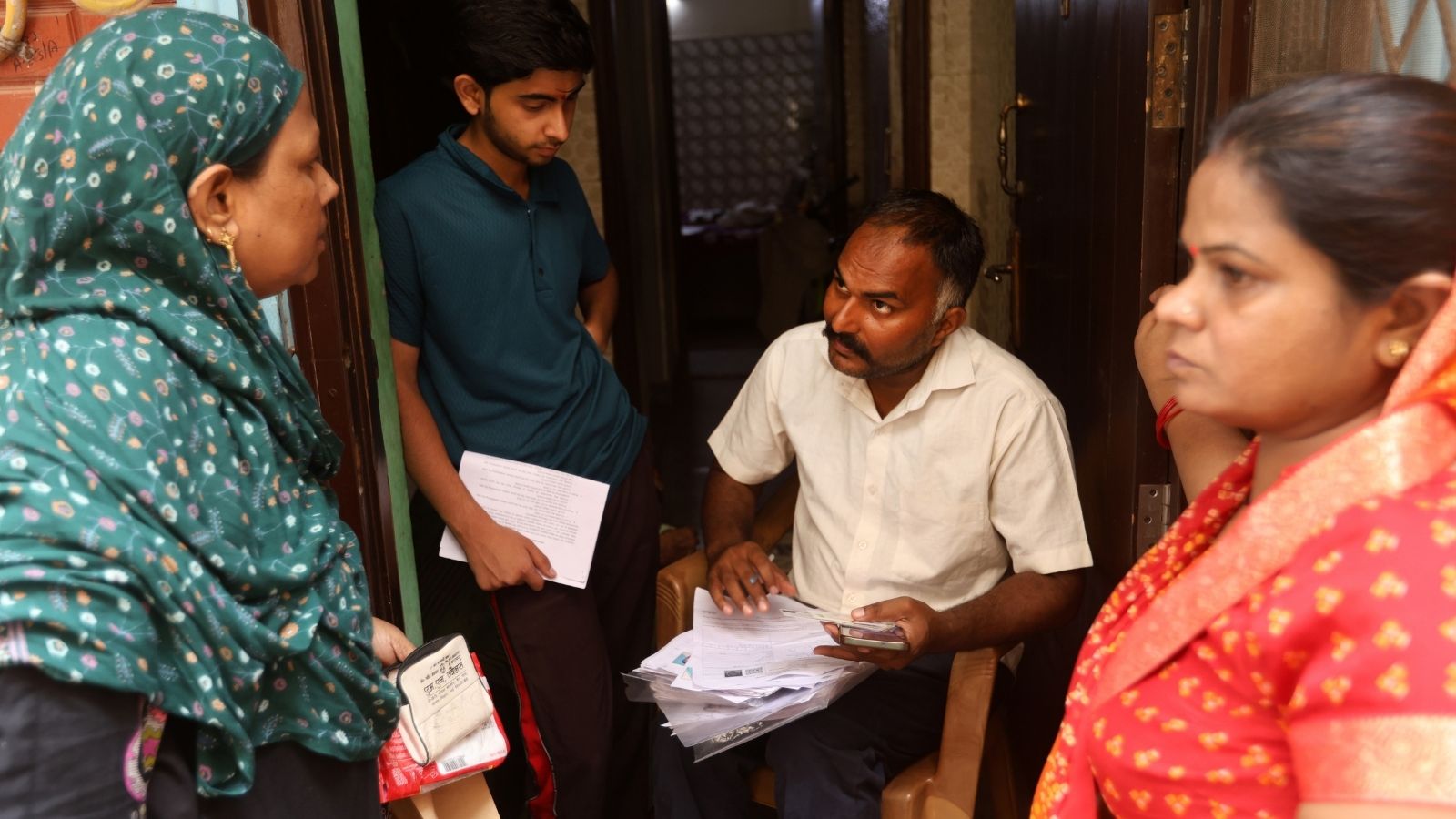
Nearly 48 lakh electors in Delhi have been marked as 'uncollectible' following a Special Intensive Revision (SIR). South East Delhi is the worst-hit district due to a critically low digitisation rate of electoral forms.
- Approximately 47.62 lakh electors (33% of the total) are marked as 'uncollectible' in Delhi.
- South East Delhi recorded the lowest digitisation rate at 56.32%, risking 7 lakh deletions.
- Outer North Delhi performed best with a 75.68% digitisation rate.
- The final electoral rolls are scheduled for publication on October 27.
The Special Intensive Revision (SIR) of electoral rolls in Delhi has revealed a staggering gap in voter data collection. Out of 1.45 crore registered electors, only 97.47 lakh forms were successfully uploaded to the official portal by the end of the enumeration phase. This leaves nearly 47.62 lakh voters in the 'uncollectible' category—meaning they were either absent, deceased, or have relocated without updating their records.
South East Delhi: The Epicenter of Deletions
The South East Delhi district is expected to suffer the most significant losses in the draft roll to be published on August 24. With a digitisation rate of only 56.32%, the district—which includes Okhla, Sangam Vihar, and Tughlakabad—is characterized by a high density of migrant laborers. These populations are highly mobile, often moving for work without updating their electoral addresses, leading to nearly 7 lakh names being potentially omitted.
Why This Matters
BozokMedia analysis shows that this mass deletion highlights a systemic failure in tracking Delhi's floating population. When nearly one-third of a city's electorate becomes 'uncollectible,' it raises concerns about disenfranchisement and the accuracy of urban demographic data. This gap between residency and registration could skew electoral outcomes and impact local governance representation.
"The high churn rate of migrant laborers and government employees in Delhi creates a perpetual challenge for maintaining a clean and updated electoral roll."
Regional Disparities in Digitisation
There is a stark contrast between the urban core and the rural fringes of the capital. While South East and New Delhi districts struggled, the rural belt showed higher stability. Outer North Delhi achieved the highest digitisation rate at 75.68%, followed by South West Delhi at 73.16%. This suggests that rural populations are more settled, making the enumeration process significantly easier for Booth Level Officers (BLOs).
| District | Digitisation Rate (%) | Impact Level |
|---|---|---|
| South East Delhi | 56.32% | Critically High |
| New Delhi | 60.76% | High |
| South Delhi | 61.32% | Medium-High |
| Outer North Delhi | 75.68% | Low |
Historical Context and Next Steps
Historically, the Election Commission of India (ECI) has struggled with duplicate entries and 'ghost voters' in metropolitan hubs. The current SIR is an attempt to sanitize the list. Electors whose names are missing from the draft roll will receive notices over the next two months. The ECI has provided a window for claims and objections, allowing genuine voters to be re-added as fresh electors before the final publication on October 27.
Frequently Asked Questions
Q1: Why is my name likely to be deleted from the roll?
Deletion usually occurs if the BLO could not find you at your registered address or if you are flagged as a duplicate entry.
Q2: How can I recover my name if it is deleted in the draft?
You can apply as a fresh elector during the one-month claims-and-objection period following the draft publication.