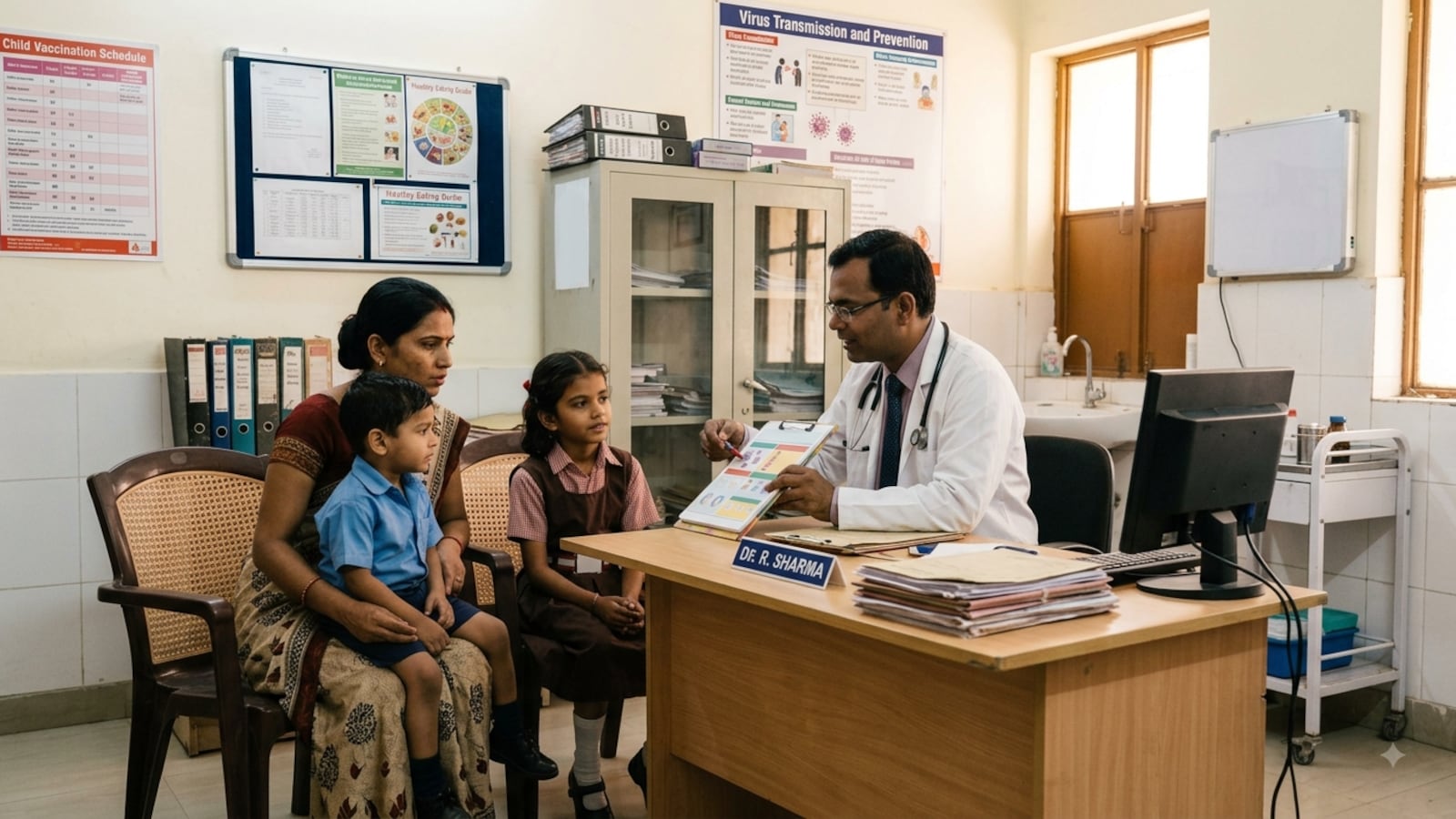
A massive flu outbreak at Clarence High School in Bengaluru has left over 500 students and 21 staff members ill, leading to a temporary campus shutdown. With confirmed H1N1 cases, health experts are urging parents to monitor respiratory symptoms closely.
- Over 500 students and 21 staff members affected at Clarence High School, Bengaluru.
- Two students confirmed positive for H1N1; campus temporarily closed.
- Symptoms include high fever, cough, body aches, and respiratory distress.
- Experts emphasize early antiviral treatment and vaccination for high-risk groups.
The educational community in Bengaluru is on high alert following a significant outbreak of flu-like illnesses at Clarence High School in Richards Town. Reports indicate that more than 500 students and 21 staff members have exhibited symptoms such as fever, persistent cough, cold, and severe body aches. The situation escalated when at least two students tested positive for the H1N1 influenza virus, prompting the school administration to temporarily shut down the campus to prevent further transmission.
While the confirmation of H1N1 has sparked panic among parents, medical professionals caution that not every sick child necessarily has this specific strain. Influenza symptoms often overlap with other seasonal respiratory infections. However, the rapid spread within the school—facilitated by shared classrooms, buses, and playgrounds—highlights the vulnerability of congregate settings to highly contagious viruses.
Why This Matters
BozokMedia analysis shows that this outbreak underscores a critical gap in seasonal vaccination awareness among urban school-going populations. The rapid contagion rate in this instance suggests that the virus exploited the high-density interaction patterns typical of school environments, turning a few initial cases into a mass health event.
"Early medical intervention is key; antivirals are most effective when administered within the first 48 hours of symptom onset, especially for high-risk children."
According to Dr. Suresh Sagadevan, Consultant Pulmonology at Gleneagles Chennai, parents should not rely solely on fever to diagnose the flu. Some children may experience gastrointestinal issues like vomiting or diarrhea. He emphasizes the importance of 'respiratory etiquette'—covering the mouth and nose—and frequent handwashing to curb the spread.
The risk is significantly higher for children under five, particularly those under two, or those with underlying conditions such as asthma, diabetes, or heart disease. For these high-risk groups, a sudden onset of flu symptoms requires immediate clinical evaluation to prevent severe complications like pneumonia.
| Common Flu Symptoms | Emergency Warning Signs |
|---|---|
| Mild Fever, Cough, Sore Throat | Fast or Difficult Breathing |
| Muscle Aches, Fatigue | Bluish Lips or Face |
| Runny Nose, Headache | Seizures or Altered Consciousness |
Medical experts warn that the most dangerous sign is respiratory distress. If a child's ribs pull in with each breath or if they exhibit unusual sleepiness, it indicates a potential drop in oxygen levels, requiring urgent hospitalization.
Frequently Asked Questions
Q1: Does a fever always mean my child has H1N1?
No, many viral infections cause fever. Testing is required to confirm if the cause is H1N1 or another influenza strain.
Q2: Can antibiotics cure H1N1?
No, H1N1 is caused by a virus. Antibiotics treat bacterial infections; antiviral medications are used for influenza.

