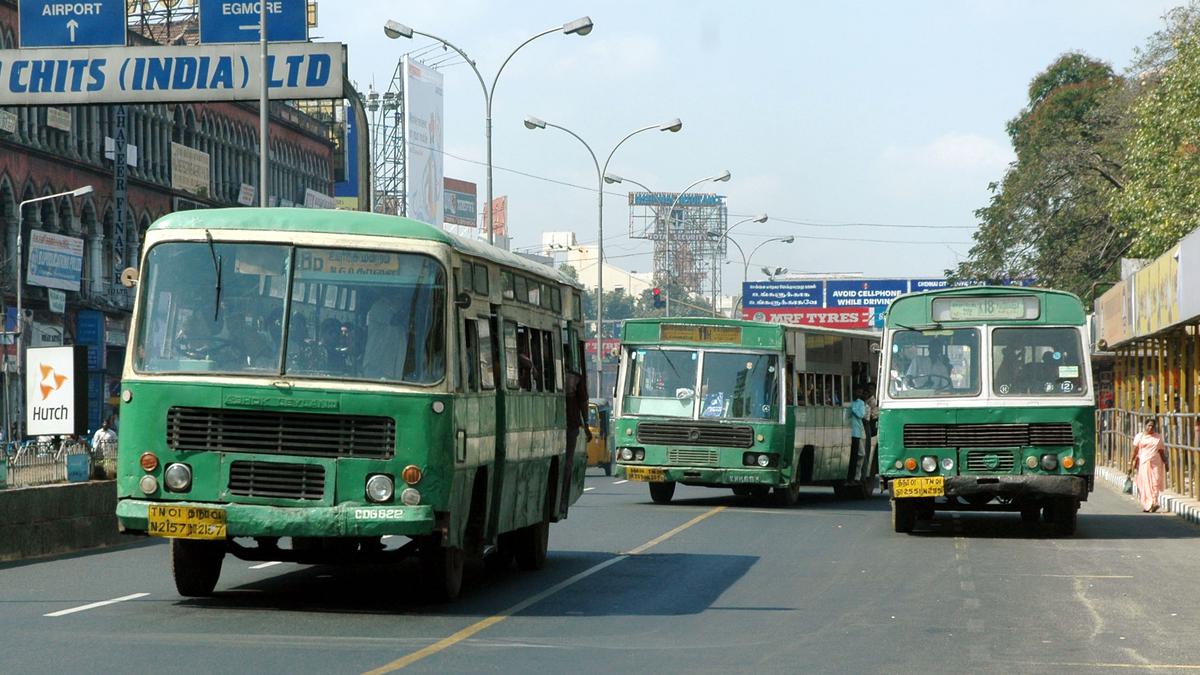
The Metropolitan Transport Corporation (MTC) has been the backbone of Chennai's connectivity for decades. From a tiny fleet of 30 buses to a massive modern network, discover the journey of the lifeline of the city.
- MTC began in 1947 with a modest fleet of just 30 buses.
- It serves as a national model for social initiatives like free rides for women and students.
- The corporation played a pivotal role in the residential and economic expansion of Chennai.
The transformation of Madras into the bustling cosmopolitan hub of Chennai is not merely a story of urban planning, but a saga driven by the rhythmic movement of its public buses. The Metropolitan Transport Corporation (MTC) has remained a constant fixture in the lives of residents, navigating the city's ups and downs for decades.
The history of the service dates back to 1947, following the nationalization of public transport by the Madras government. Initially operating as the Pallavan Transport Corporation (PTC) with only 30 buses, the service underwent a massive shift in 1967 when the late Chief Minister M. Karunanidhi decided to take over private transport routes, consolidating the public network.
Why This Matters
BozokMedia analysis shows that MTC is more than just a transit provider; it is a tool for social engineering. By implementing ticket-free rides for women, students, senior citizens, and persons with disabilities, the MTC has significantly lowered the barrier to mobility, fostering economic participation across all demographics.
The MTC successfully adopted a social responsibility model while maintaining a commercial approach to sustainability.
The evolution of the fleet is also reflected in its changing aesthetics. From the iconic 'post office red' to the green and cherry red schemes introduced with World Bank funding, the colors signify different eras of expansion. Today, the MTC boasts a massive fleet of approximately 3,500 buses, supported by 34 termini and specialized workshops.
As the city modernized, so did the buses. The introduction of Volvo AC buses in 2008 revolutionized commuting along the IT corridor, Rajiv Gandhi Salai. However, the journey has not been without hurdles. The struggle for truly accessible low-floor buses for persons with disabilities remains a critical point of contention and legal advocacy.
| Feature | Early Era (PTC) | Modern Era (MTC) |
|---|---|---|
| Fleet Size | ~30 Buses | ~3,500 Buses |
| Key Focus | Basic Connectivity | Social Welfare & AC Services |
| Color Scheme | Post Office Red | Green / Cherry Red |
Frequently Asked Questions
1. What social initiatives does MTC provide?
MTC provides free or subsidized travel for women, students, senior citizens, and persons with disabilities.
2. How did the fleet expand significantly?
Significant expansion was aided by World Bank funding, which helped acquire hundreds of new buses with distinct color schemes.