India is achieving record highs in defense production and exports, yet a deeper look reveals persistent foreign dependence on critical technologies, particularly engines and advanced systems. This analysis delves into the realities of India's 'Atmanirbhar Bharat' defense initiative.
- India's defense production and exports are at record levels.
- Foreign dependence remains in critical technologies like engines, radars, and weapon systems.
- Progress in advanced technologies is slower compared to structural hardware in the 'Atmanirbhar Bharat' initiative.
New Delhi: India is making significant strides towards self-reliance in the defense sector under the 'Atmanirbhar Bharat' initiative, with defense production and exports reaching all-time highs. However, a closer examination reveals that the nation continues to grapple with foreign dependence in several critical technologies, particularly engines, advanced weapon systems, and sensors. This paradox is starkly evident in India's arms import figures, where it remains the world's second-largest importer of major arms.
Surge in Defence Production and Exports
Defense production touched an all-time high of Rs 1.78 lakh crore in FY 2025-26, nearly four times the level in 2014-15. Exports, meanwhile, set a record at Rs 38,424 crore. According to the Ministry of Defence, approximately 65 percent of defense equipment is now produced domestically, a significant shift from the previous import dependence of 65-70 percent. These figures highlight the success of India's 'Make in India' and 'Atmanirbhar Bharat' campaigns.
Roots of Foreign Dependence
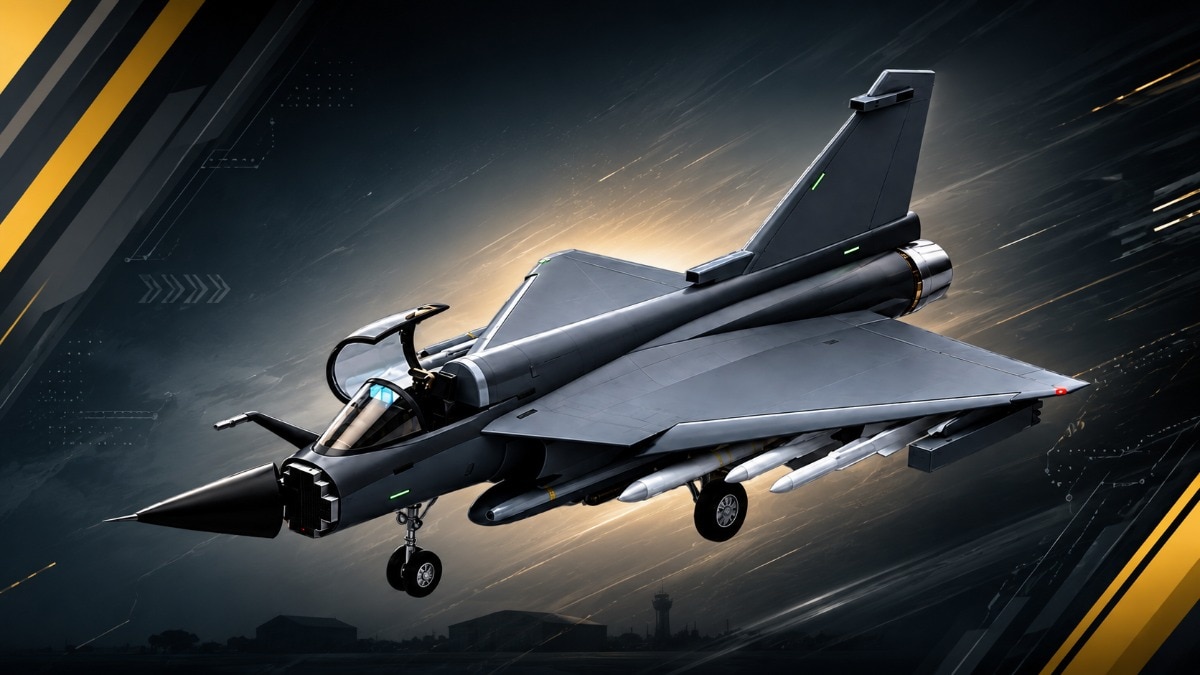
Despite these impressive numbers, data from the Stockholm International Peace Research Institute (SIPRI) paints a different picture. Between 2021-25, India accounted for 8.2 percent of global major arms imports. SIPRI's figures focus on major weapons, not the myriad imported engines, sensors, electronic systems, or components fitted into equipment manufactured in India. The LCA Tejas, India's indigenous fighter jet, famously flies on an American GE F404 engine, a prime example of this dependence. Decades of effort on the Kaveri engine program have yet to yield an engine that meets fighter jet requirements.
Analysis of Positive Indigenisation Lists
An analysis by India Today's Open Source Intelligence (OSINT) team of six 'Positive Indigenisation Lists' (PILs), encompassing 5,417 defense items, provides a granular view. Of these, 2,500 items have already been indigenised, while 2,917 are scheduled for indigenisation. Of the scheduled items, 2,258 are classified as parts, components, or materials.
The Technological Chasm: Where the Real Challenge Lies
A technology-wise breakdown reveals that India's indigenisation gap is widest in propulsion, engines, weapons, radars, and other critical technologies. Only 6 percent of propulsion, engine, and transmission items are labelled as indigenised, followed by 8 percent for weapons and ammunition, and 14 percent for radar, communications, electronic warfare, and navigation. Sensors and optronics stand at 25 percent, electronics, avionics, and control at 33 percent, and materials, chemicals, and consumables at 48 percent. In contrast, mechanical and structural hardware is significantly further ahead at 69 percent. This pattern suggests greater progress in structures and conventional hardware than in the technologies that dictate how a platform moves, detects, communicates, and fights.
Indigenisation Levels Across Services
Varying levels of indigenisation are observed across different services. The Air Force-linked group dominates with 1,837 of its 2,447 entries already indigenised. The Navy presents the sharpest contrast, with 1,162 of its 1,211 entries still scheduled for indigenisation. The Army falls in between, while 653 entries are categorized under tri-services.
Shifting Import Dependencies
India's dependence on Russian defense imports has fallen sharply over the past decade, while France and Israel have increased their share. The Ministry has earmarked Rs 1.39 lakh crore, approximately 75 percent of the 2026-27 capital acquisition budget, for domestic defense industries. The Ministry's budget note emphasizes that 'interruptions in global supply chains' have reinforced the need for import substitution.
Why This Matters
BozokMedia analysis shows... Despite significant progress in India's defense indigenisation journey, the persistent reliance on foreign sources for critical technologies remains a significant national security concern. Substantial investment in R&D in these key areas, fostering public-private partnerships, and developing strategic collaborations to reduce dependence on foreign suppliers is imperative.
India's 'Atmanirbhar Bharat' defense initiative is a crucial step, but the real battle now lies in mastering those complex, high-technology domains that form the backbone of any nation's defense capabilities.
Frequently Asked Questions
- To what extent has India achieved self-reliance in defense production?
- In which key technological areas does India still rely on foreign imports?