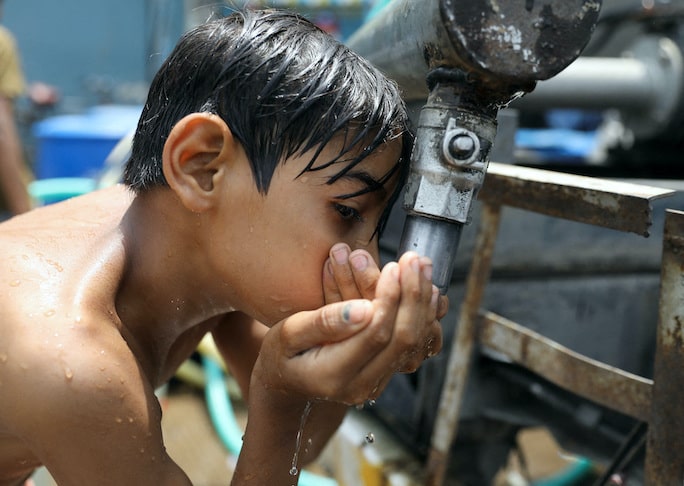
As temperatures soar past 48°C in parts of India, a dual crisis of extreme heat and severe water shortages is pushing the nation to its limits.
- Temperatures in Rajasthan have hit a staggering 48.3°C.
- Massive water shortages are affecting dozens of villages in districts like Barmer.
- Urban centers like Delhi and Lucknow are struggling with consistent 40°C+ heat.
- Government interventions include 24/7 water tankers and power stability measures.
India is currently facing a catastrophic climate event as the Summer of 2026 turns exceptionally brutal. The nation is battling unprecedented heatwaves that have pushed temperatures to life-threatening levels. In parts of Rajasthan, mercury has touched 48.3°C, while major metropolitan hubs including Delhi and Lucknow continue to endure relentless heat exceeding 40°C.
The crisis is not limited to daytime scorching; nighttime temperatures have also remained abnormally high, depriving citizens of much-needed respite and increasing the risk of heat-related illnesses across the country.
Why This Matters
BozokMedia analysis shows that the intersection of extreme thermal stress and failing water infrastructure creates a feedback loop that threatens both public health and economic stability. The lack of cooling relief combined with water scarcity is a recipe for a humanitarian emergency.
The convergence of record-breaking heat and dwindling water reserves represents one of the most significant environmental challenges for India in the modern era.
The Escalating Water Crisis: Compounding the heat is a severe shortage of potable water. In the Barmer district of Rajasthan, the shutdown of a critical lift canal has left approximately 31 villages dependent on a single hand pump. In cities like Jaipur, residents are protesting against the supply of contaminated water, highlighting a massive breakdown in utility management.
In rural sectors, the burden falls heavily on women, who must trek long distances before dawn to secure water, often under the direct glare of the rising sun, posing severe health risks.
Governmental Response and Systemic Gaps
Authorities are attempting to mitigate the damage. In Bhiwandi, municipal corporations have deployed water tankers on a 24/7 basis. In Uttar Pradesh, Chief Minister Yogi Adityanath has convened high-level meetings to ensure power stability, as electricity is vital for operating the pumps that supply water to thirsty populations.
Despite these efforts, a significant gap persists between policy and implementation. Many citizens report inconsistent tanker deliveries and empty taps, suggesting that the existing water infrastructure was ill-prepared for the intensity of the 2026 summer.
Frequently Asked Questions
1. Which regions are most affected by the heatwave?
Rajasthan is seeing the highest temperatures, while Delhi and Lucknow are experiencing severe urban heat.
2. How is the government addressing the water shortage?
Governments are deploying water tankers and working to stabilize the power grid to keep water pumps operational.
