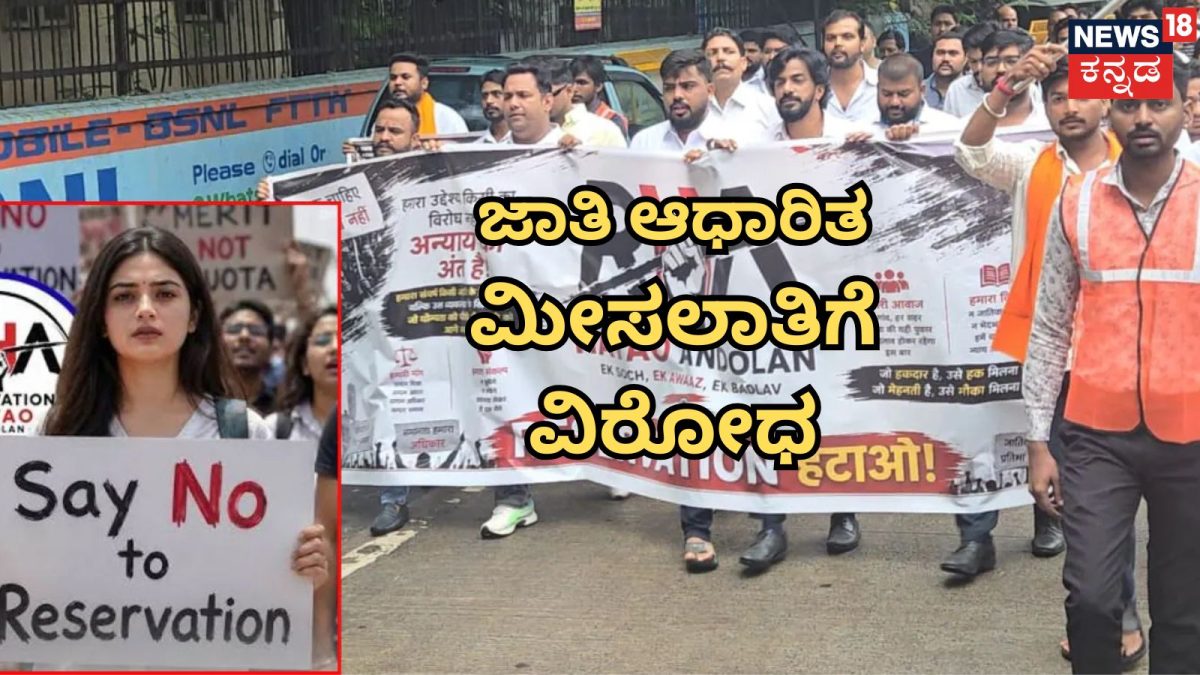
More than 50 protesters were detained by police at Jantar Mantar during the Reservation Hatao movement. Demonstrators argue that reservation should be limited to the economically poor, not based on caste.
- Over 50 individuals detained at Jantar Mantar
- Core demand: reservation only for the poor
- Calls for repeal of the SC/ST Act
Protest Overview
At New Delhi’s Jantar Mantar, police arrested over 50 participants of the “Reservation Hatao” rally after clashes erupted with security forces, resulting in several injuries.
Main Demands of the Movement
Protesters insist that reservation policies be restricted to economically weaker sections (EWS) rather than caste‑based groups. They also demand the repeal of the SC/ST Act and a comprehensive overhaul of the quota system.
Government’s Stance
The central government labeled the demonstration “illegal” and defended reservation as essential for social justice, while opposition parties and civil society groups criticized the stance as outdated.
History of India’s Reservation System
India’s reservation policy originated in the 1950s when the Constitution provided quotas for socially disadvantaged communities in education and public employment. Over the decades, the system has undergone multiple amendments, often emphasizing caste over economic criteria.
Historical Background
Following the Mandal Commission in the 1990s, reservations were expanded, intensifying social tensions. The early 1990s also saw the politicization of quotas during events like the Ayodhya dispute, highlighting the intertwining of caste and politics.
Why This Matters
BozokMedia analysis shows that shifting reservation focus to economic status could reduce social fragmentation and distribute development opportunities more equitably.
"Redefining reservations on an economic basis could strengthen India’s social fabric," says Prof. Ravi Singh, social policy expert.
Frequently Asked Questions
Q1: Can reservation be limited solely to economically weaker sections?
A: It would require constitutional amendment and broad political consensus.
Q2: What could be the impact of repealing the SC/ST Act?
A: It may present both new challenges and opportunities for achieving social equality.

-1787365784934.webp)