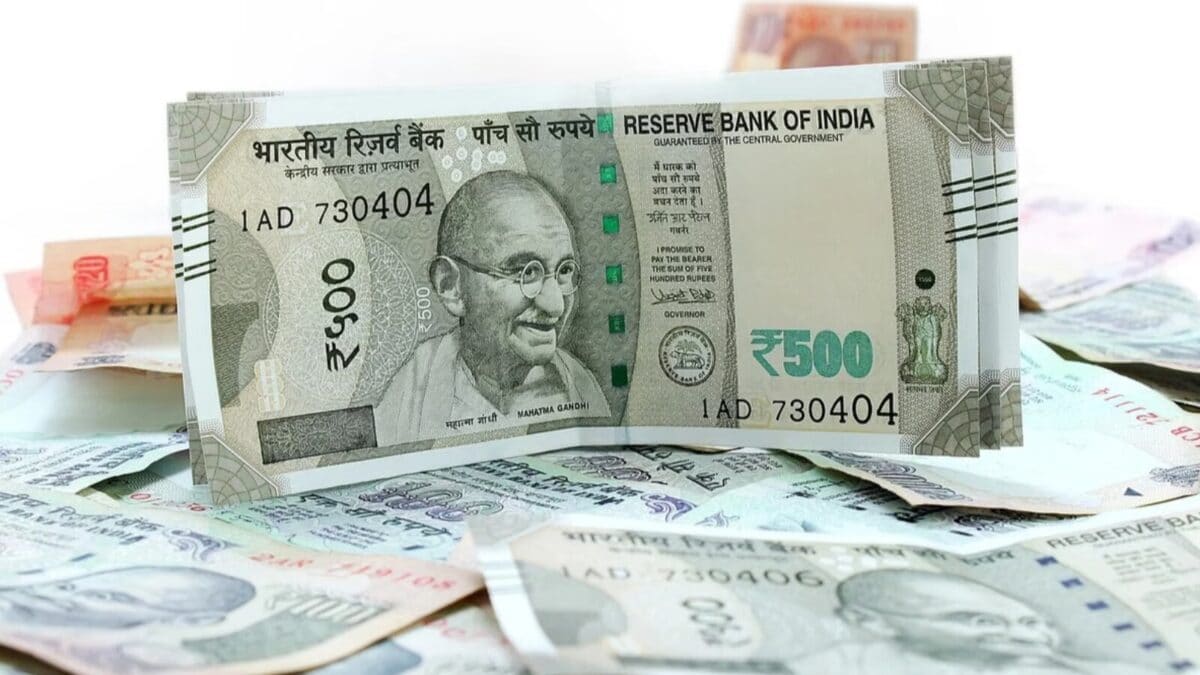
A major proposal has emerged regarding the 8th Central Pay Commission, with the BPMS demanding a massive hike in minimum basic pay from ₹18,000 to ₹72,000.
- The Bharatiya Pratiraksha Mazdoor Sangh (BPMS) has proposed a minimum wage of ₹72,000.
- This represents an approximate 300% increase from the current ₹18,000 basic pay.
- The proposal is based on per capita income growth and expanded family unit sizes.
- This is currently a proposal and not a government decision.
A significant development has surfaced regarding the compensation structure of central government employees. The defense sector employees' union, Bharatiya Pratiraksha Mazdoor Sangh (BPMS), has submitted a bold proposal to the upcoming 8th Central Pay Commission. According to reports, the union is advocating for the minimum monthly basic pay to be increased from the current ₹18,000 to a staggering ₹72,000.
This demand is not arbitrary; it is backed by complex economic justifications. The BPMS has built its proposal on three fundamental pillars: the rising Per Capita National Income of the country, the increasing size of employee family units, and the overall fiscal health of the government. The union argues that as the nation's economy grows, the real wages of employees must be adjusted to prevent the erosion of purchasing power.
Why This Matters
BozokMedia analysis shows that while such a massive hike would significantly improve the quality of life for millions of government employees, it also presents a massive fiscal challenge for the Union Budget. A change in basic pay triggers a domino effect, impacting Dearness Allowance (DA), House Rent Allowance (HRA), and long-term pension liabilities.
The proposed wage restructuring aims to align employee compensation with the modern economic reality and inflation trends.
Using data from the Ministry of Statistics and Programme Implementation (MoSPI), the BPMS highlighted that per capita net national income has grown significantly from ₹1,03,219 in 2016-17 to ₹1,92,774 in 2024-25. By applying this growth rate to the current basic pay and considering a 58% Dearness Allowance, the union calculated a revised base. Furthermore, they proposed increasing the 'family unit' size from 3 to 5 members to account for elderly parents living with employees.
| Parameter | 7th Pay Commission (Current) | BPMS Proposal (8th CPC) |
|---|---|---|
| Minimum Basic Pay | ₹18,000 | ₹72,000 |
| Family Unit Size | 3 Members | 5 Members |
| Primary Driver | Fixed Standards | Per Capita Income & Inflation |
Interestingly, while the mathematical model based on family size and income growth could theoretically push the figure to over ₹88,000, the BPMS has suggested a more balanced amount of ₹72,000. This move is intended to ensure that while employees receive relief from inflation, the government does not face an unsustainable sudden financial burden.
Frequently Asked Questions
1. Has the government approved the ₹72,000 salary?
No, this is a proposal submitted by the BPMS union and is subject to government approval.
2. What factors are driving this demand?
The main drivers are the increase in per capita national income and the rising cost of living for larger family units.