Just eight months after Mumbai's civic elections, five wards are already without corporators due to caste certificate disputes. This legal warfare between political rivals is leaving residents stranded without essential services during the monsoon.
- Five BMC wards are currently vacant following the disqualification of elected corporators.
- The primary cause for disqualification is the invalidation of caste certificates by scrutiny committees.
- A recurring pattern shows that political rivals who lost the election are the ones challenging the winners' certificates.
- The lack of local representation is stalling critical infrastructure and sanitation work during the monsoon.
A troubling trend has emerged in Mumbai's civic governance. Barely eight months after the city finally elected a new municipal house, five wards are already operating without a single elected corporator. The latest high-profile casualty is Vishakha Raut, a Shiv Sena (UBT) leader and former mayor, whose disqualification has sent shockwaves through the city's political landscape.
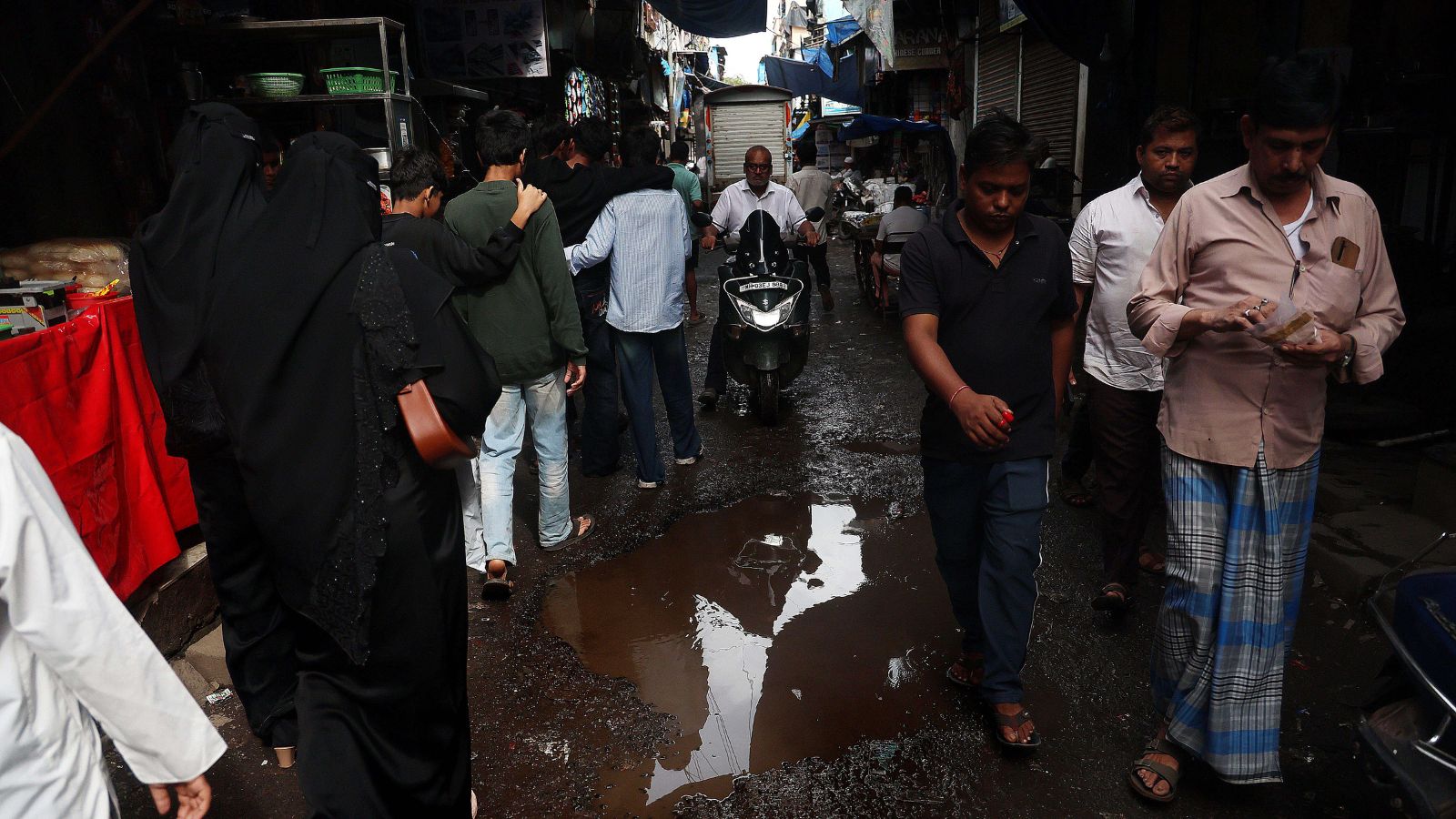
In the densely populated chawls of Govandi, the consequences are visceral. During the peak monsoon, clogged drains and overflowing gutters have become a daily nightmare for residents. When citizens approach the BMC ward offices for help, they are met with a bureaucratic dead end: the corporator responsible for the ward's development funds no longer officially exists. This has forced impoverished residents to pool their own meager resources to fix basic sanitation issues.
The Strategy of Disqualification
BozokMedia analysis shows that these disqualifications are rarely random administrative errors. Instead, they appear to be part of a calculated political strategy. In almost every instance, the individual who filed the objection against the winning candidate's caste certificate is the very rival who lost the seat in the election. Under BMC rules, a successful challenge can lead to the runner-up being declared the new incumbent, effectively flipping the democratic result.
The use of caste scrutiny as a political weapon is creating a vacuum of leadership in Mumbai's most vulnerable wards.
From Bhandup to Kurla, the pattern is consistent. Deepak Sawant of Shiv Sena (UBT) and AIMIM’s Shamir Ramzan Patel were both removed after their OBC certificates were ruled invalid. Even seats reserved for women in OBC communities have been caught in this crossfire, affecting the representation of marginalized groups in the city's decision-making processes.
Legal Deadlocks and Public Neglect
While political parties fight for control, the residents of Mumbai's 227 wards are left in limbo. The vacancy of these seats is not immediate, however; many disqualified corporators have secured stays from the High Court, preventing the automatic handover of power to their rivals. This legal tug-of-war ensures that the seats remain empty for extended periods.
Summary of Disqualification Cases
| Name of Corporator | Party | Ward/Area | Reason for Disqualification |
|---|---|---|---|
| Deepak Sawant | Shiv Sena (UBT) | Bhandup (111) | Invalid OBC Certificate |
| Shamir Ramzan Patel | AIMIM | Govandi (137) | Invalid OBC Certificate |
| Vishakha Raut | Shiv Sena (UBT) | Palghar/Mumbai (191) | Jurisdiction/Certificate Dispute |
Frequently Asked Questions
1. What happens to a ward when a corporator is disqualified?
The seat remains vacant until the legal challenge is resolved or a new election is called, often leaving residents without local representation.
2. Can a runner-up automatically become the new corporator?
Not automatically; while they may be declared the winner, legal stays from courts often freeze the process, leaving the seat empty.