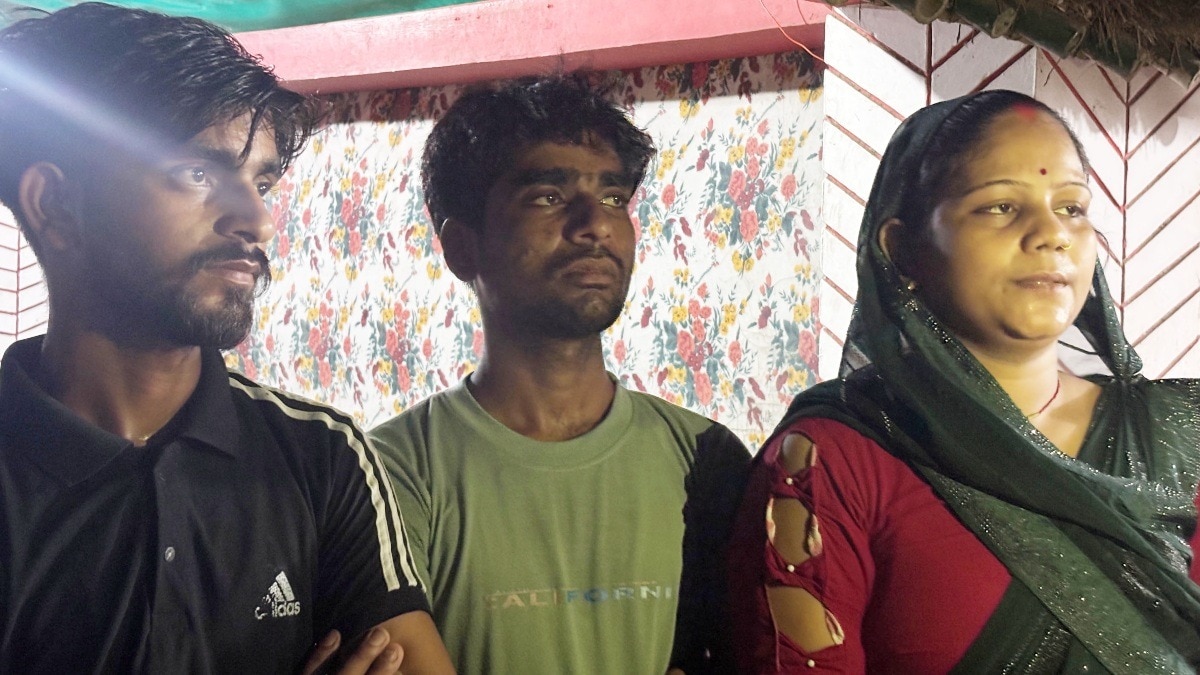
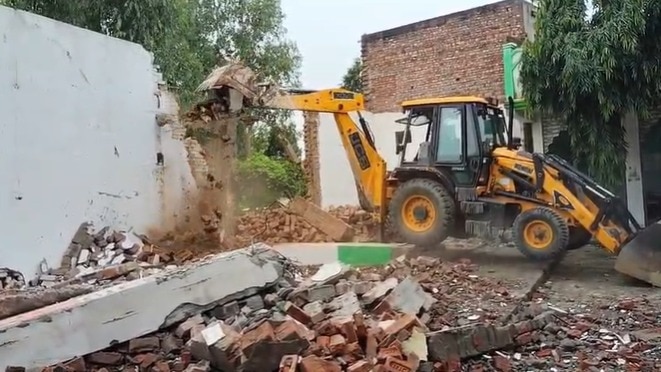
The 'School Thik Karo' campaign by CJP has faced legal backlash with FIRs registered in Maharashtra and Rajasthan following visits to government schools aimed at highlighting infrastructure deficits.
- Multiple FIRs filed against CJP members in Maharashtra and Rajasthan.
- CJP leader Abhijeet Dipke named in an FIR in Latur, Maharashtra.
- Cross-FIRs registered in Jaipur, Rajasthan, following an alleged attack on the team.
- The campaign focuses on exposing shortcomings in government school infrastructure.
The Center for Justice and Peace (CJP) and its flagship 'School Thik Karo' campaign are currently embroiled in legal disputes across two Indian states. The campaign, which seeks to audit and highlight the severe lack of infrastructure and amenities in government-run schools, has resulted in multiple First Information Reports (FIRs) being filed against its members.
In the state of Maharashtra, legal action was initiated in Latur. An FIR has been registered against prominent CJP leader Abhijeet Dipke and several other associates following their visit to a local government school. The move has sparked debate regarding the boundaries of civic activism versus administrative authority.
Why This Matters
BozokMedia analysis shows that such legal confrontations often signal a deeper friction between grassroots social movements and state machinery. When activists attempt to document systemic failures in public services, the resulting legal pushback can either strengthen the call for reform or act as a deterrent to future civic engagement.
The situation in Jaipur, Rajasthan, has taken a more volatile turn. During a school inspection drive, an alleged physical altercation occurred, leading to the registration of cross-FIRs. While the CJP team claims they were victims of an attack, local reports suggest a complex conflict involving both the activists and local stakeholders.
The legal friction surrounding school inspections highlights the growing tension between citizen-led accountability and state-managed institutional narratives.
Historical Background
Infrastructure in Indian government schools has been a subject of intense scrutiny for decades. Despite various national schemes aimed at improving school facilities, the gap between policy and ground reality remains vast, making campaigns like 'School Thik Karo' a recurring necessity in the country's socio-political landscape.
Frequently Asked Questions
1. What is the objective of the 'School Thik Karo' campaign?
The campaign aims to identify and publicize the lack of proper facilities, such as clean water, toilets, and classrooms, in government schools.
2. Where are the FIRs being filed?
Legal actions have been reported in Latur (Maharashtra) and Jaipur (Rajasthan).