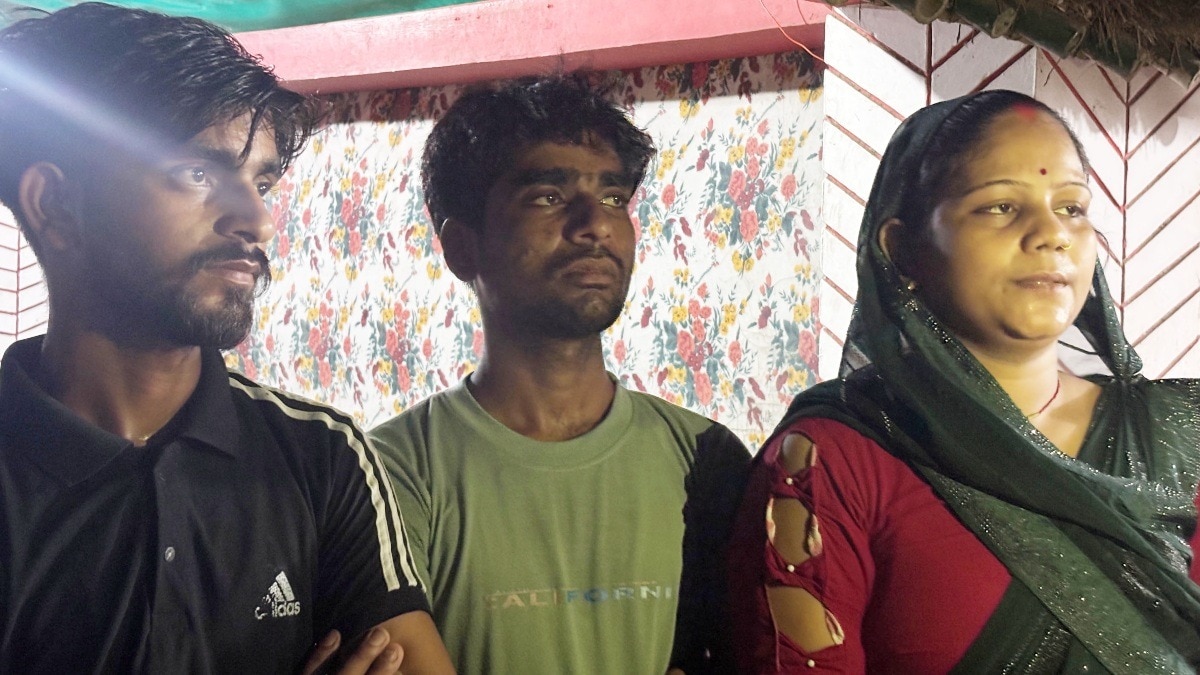
A bizarre incident has emerged from Sitapur, Uttar Pradesh, where a woman, her husband, and her lover have declared their intent to live together, leading to a police intervention after family opposition.
- A woman, her husband, and her lover in Sitapur have claimed they want to live as a trio.
- The family's intense opposition has escalated the matter to the local police station.
- The case highlights the tension between personal autonomy and traditional social norms.
In a highly unusual turn of events from Sitapur, Uttar Pradesh, a complex emotional and legal saga has unfolded. A local woman, her husband, and her lover have reportedly reached a consensus to live together, a move that has sent shockwaves through the local community.
The situation escalated when the family members of the woman strongly opposed this arrangement, citing traditional values and social morality. However, the three individuals involved have maintained that they are consenting adults making a conscious choice for their future, leading them to seek police assistance to prevent family interference.
Why This Matters
BozokMedia analysis shows that such incidents test the limits of individual liberty versus societal expectations in modern India. As legal frameworks evolve to recognize personal choices, the enforcement of these rights often meets heavy resistance from traditionalist structures.
While legal statutes protect the autonomy of consenting adults, the social repercussions of unconventional living arrangements often create complex policing challenges.
The local police station has become the center of this controversy. Law enforcement officials are currently investigating the matter to ensure that no coercion is involved and that all parties are acting of their own free will. The case has become a subject of intense debate among locals regarding the definition of a 'family'.
Historically, Indian society has seen various shifts in relationship dynamics, but a declared 'trio' living arrangement is exceptionally rare in rural and semi-urban settings. This case serves as a modern-day litmus test for the intersection of personal rights and community standards.
Frequently Asked Questions
1. Can the police intervene in a consensual relationship between three adults?
If there is no crime involved and all parties are consenting adults, the police's role is primarily to maintain peace and prevent violence from family members.
2. What are the legal implications of such an arrangement?
While living together is not a crime, the legal status of such a relationship regarding inheritance and marriage remains complex under current Indian laws.