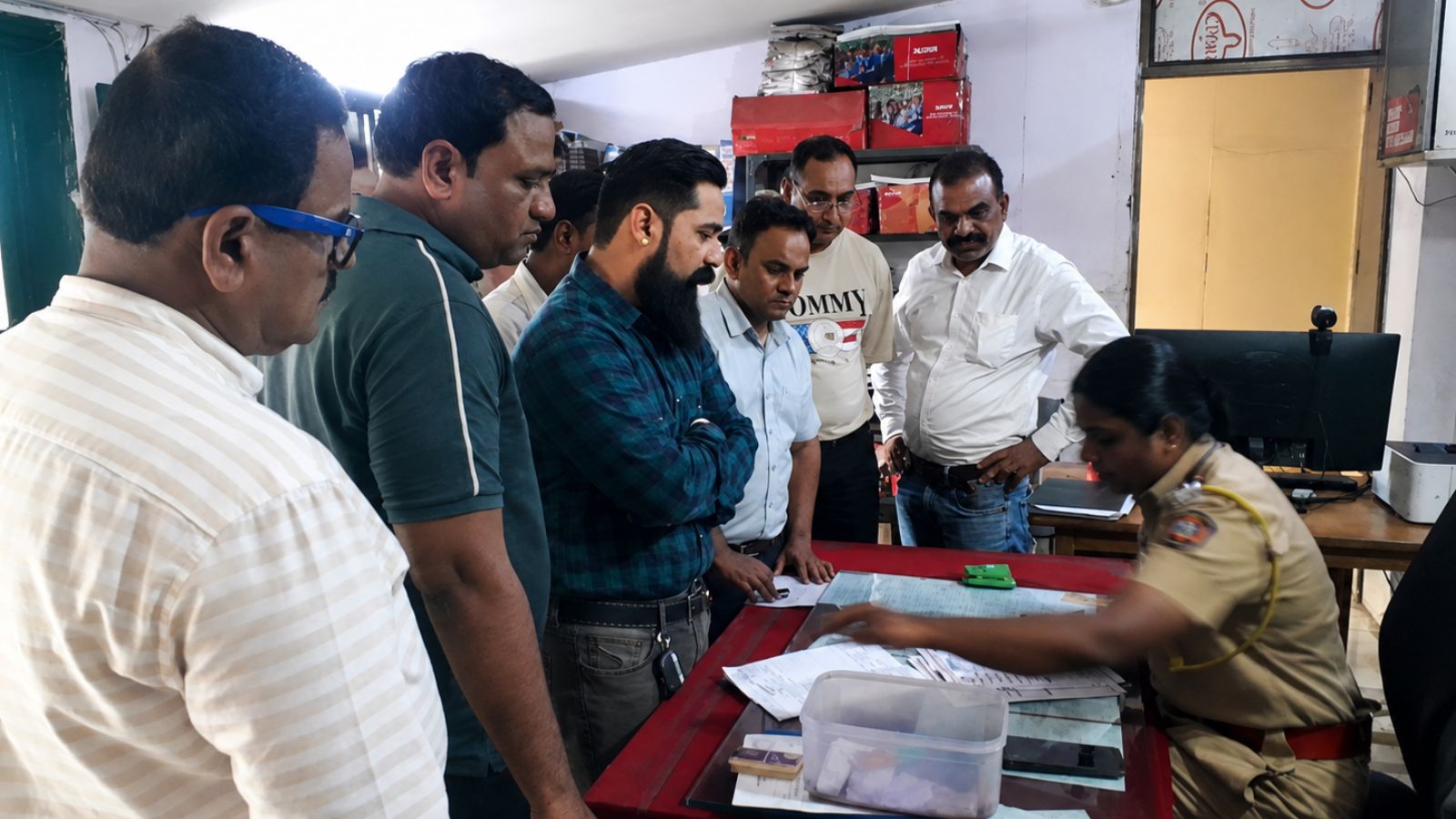
The Tiruchi Corporation has initiated an outreach program in schools and colleges to link proper waste segregation with the prevention of vector-borne diseases like Dengue. Students will be trained to lead hygiene efforts in their communities.
- Students will be empowered as 'Health Ambassadors'.
- The program links waste management directly to Dengue prevention.
- A designated teacher from each school will act as a nodal monitoring officer.
- Focus is on compliance with the Solid Waste Management Rules, 2026.
The Tiruchi Corporation has officially launched a strategic outreach program across various schools and colleges in the city. This initiative is designed to promote responsible solid waste management while simultaneously strengthening public health measures against infectious diseases.
The program operates on a dual-purpose agenda: educating the younger generation on the Solid Waste Management Rules, 2026 and raising awareness about the prevention of Dengue. By integrating these two issues, the Corporation aims to address the root causes of urban health crises.
Why This Matters
BozokMedia analysis shows that improper disposal of solid waste is a primary driver for the spread of vector-borne illnesses. When waste is abandoned on roadsides or in vacant plots, it creates micro-environments that collect rainwater, serving as perfect breeding grounds for Aedes mosquitoes.
Empowering students to act as catalysts for change ensures that hygiene protocols penetrate deep into the domestic sphere.
According to City Health Officer M. Karthikeyan, the curriculum for this program will focus on the technicalities of waste segregation at the source. Students will learn not just how to separate waste, but also the scientific processes that follow, ensuring a holistic understanding of the waste lifecycle.
To ensure institutional accountability, the Corporation has mandated that one teacher from each participating school be identified as a nodal person. This individual will be responsible for monitoring the school premises, ensuring no waste is left unattended, and eliminating any stagnant water sources that could lead to mosquito outbreaks.
Historical Background
Urban waste management in India has transitioned from simple collection to complex scientific processing. The introduction of stringent rules in 2026 reflects a global shift toward circular economies and the reduction of environmental hazards through strict source segregation and decentralized processing.
Frequently Asked Questions
1. How will students contribute to public health?
They will act as 'Health Ambassadors,' carrying messages of segregation and mosquito control from schools to their homes and neighborhoods.
2. What is the role of the Nodal Teacher?
The teacher will monitor the school campus to ensure proper waste disposal and the absence of mosquito breeding sites.