After a three-month hiatus, the Union Government has officially acknowledged the letter from UN Special Rapporteurs concerning allegations of large-scale deletions from voter lists.
Key Takeaways
- The Union Government has formally responded to the UN Special Rapporteurs.
- The dispute centers on the mass removal of names from voter registration lists.
- The response comes after a significant three-month delay.
In a significant diplomatic and political development, the Union Government has finally addressed the concerns raised by the United Nations (UN) Special Rapporteurs. The Rapporteurs had previously sent a communication expressing alarm over reports of widespread deletions from voter electoral rolls.
Context of the Dispute
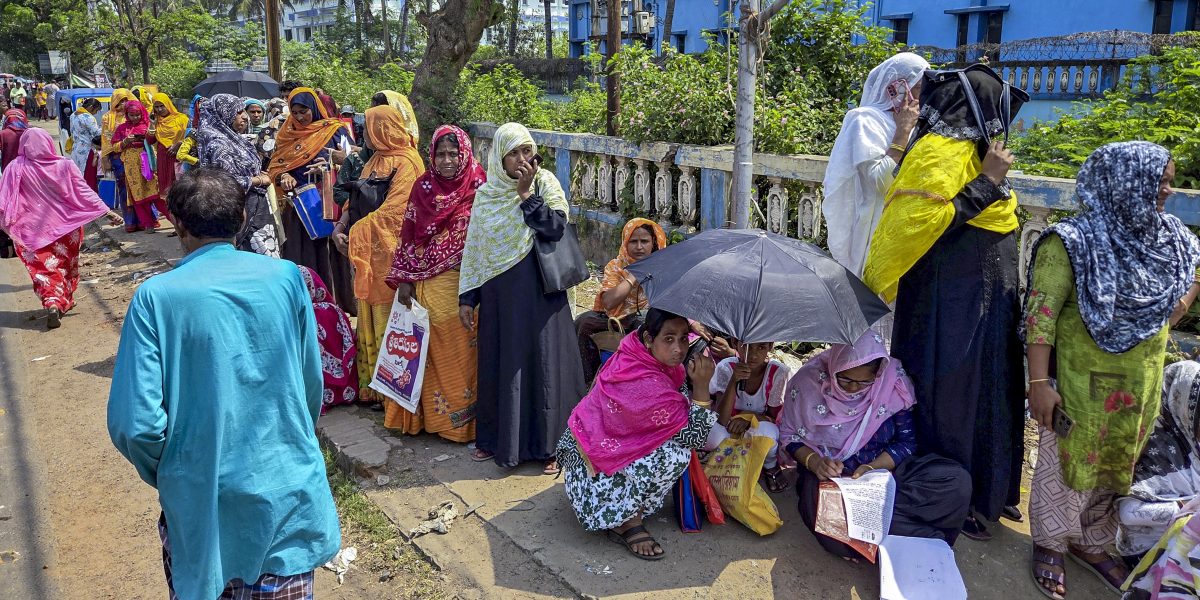
The controversy erupted following allegations from civil society organizations and activists suggesting that a substantial number of voters were being purged from the rolls without adequate due process or notification. This sparked international scrutiny regarding the inclusivity and fairness of the electoral process in India.
Why This Matters
BozokMedia analysis shows that the integrity of voter rolls is the bedrock of any functioning democracy. Any perceived systemic error or intentional exclusion can undermine public trust in electoral outcomes. The government's three-month delay in responding to international observers adds a layer of complexity to the discourse on transparency.
The legitimacy of an election rests entirely on the accuracy and inclusivity of its voter registry.
While the government maintains that such deletions are part of a routine cleaning process to remove duplicates and deceased individuals, the scale and method of these deletions remain a point of intense debate between the state and human rights advocates.
Frequently Asked Questions
Q1: What is the role of UN Special Rapporteurs?
A: They are independent experts appointed by the UN Human Rights Council to monitor and report on specific human rights themes or country situations.
Q2: Why are voter deletions controversial?
A: They become controversial when they lack transparency, fail to provide notice to citizens, or disproportionately affect specific demographics.