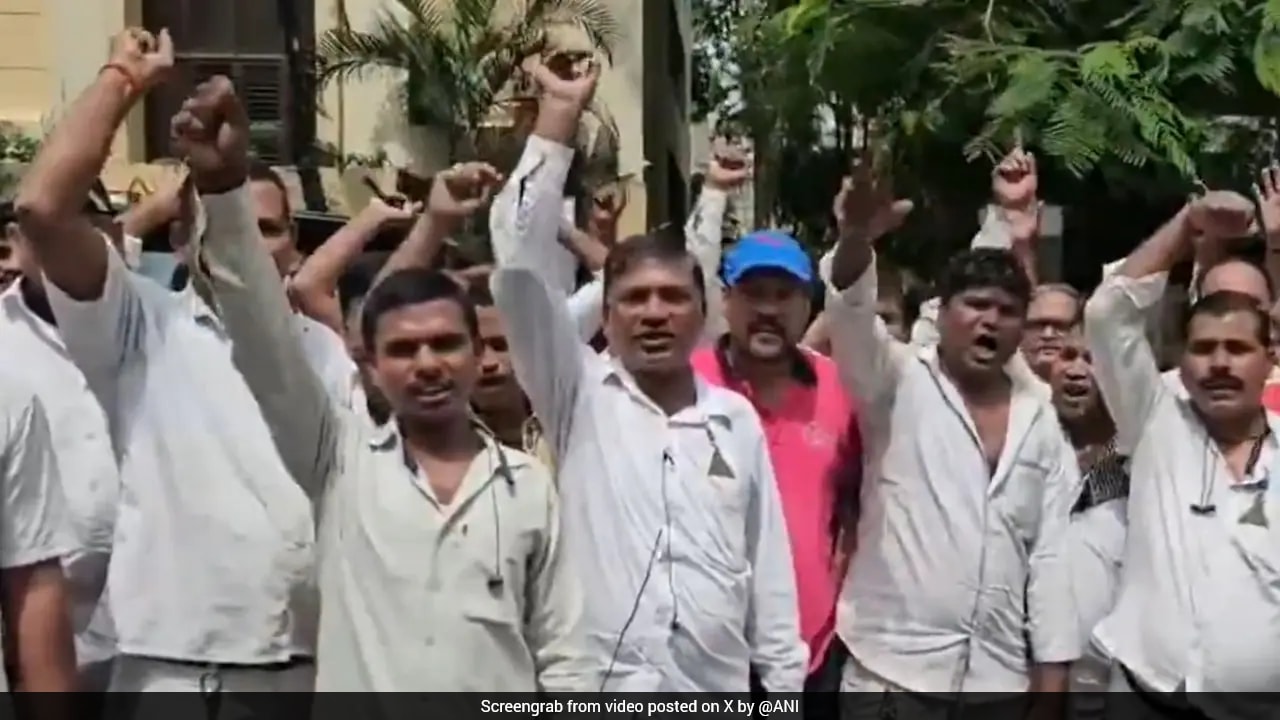
Mumbai's auto‑rickshaw and taxi drivers have begun a three‑day strike to oppose the Maharashtra Transport Department's new requirement that they demonstrate proficiency in Marathi. The walkout spotlights tensions between regional language policy and workers' rights.
- Maharashtra government mandates Marathi language proficiency for auto‑rickshaw and taxi drivers.
- Drivers have launched a three‑day strike, disrupting city transport.
- The rule pits cultural language preservation against employment security.
Early this morning, hundreds of auto‑rickshaw and taxi drivers gathered in Mumbai to announce a three‑day strike, citing the Maharashtra Transport Department's newly enforced Marathi‑proficiency rule as the trigger. Under the regulation, every driver must prove working knowledge of Marathi to retain their operating licence.
Union representatives argue the mandate jeopardizes livelihoods, noting that many drivers are migrants from other Indian states who are fluent in Hindi, English, or regional dialects but lack formal Marathi training.
The Transport Department defends the policy as a measure to improve passenger communication and honor the state's official language, warning that non‑compliant drivers could face licence suspension or fines.
Historical Background
Language‑based employment policies have a long, contested history in Maharashtra. Since Marathi was declared the state language in 1966, successive governments have introduced statutes linking language proficiency to public sector jobs. This latest rule is the first to target the private, high‑volume urban transport sector.
Why This Matters
BozokMedia analysis shows that the protest underscores a broader clash between regional linguistic pride and the economic realities of a diverse workforce. If unresolved, the dispute could destabilize Mumbai’s public‑transport ecosystem, affecting millions of daily commuters.
"Imposing language requirements without safeguarding job security fuels economic volatility," says transport policy expert Dr. Anjali Mehta.
Frequently Asked Questions
Q1: Will there be alternative transport arrangements during the strike?
A: The municipal corporation has announced extra bus services and increased metro frequencies, though full mitigation remains uncertain.
Q2: What specific concessions are the driver unions seeking?
A: Unions demand that Marathi certification be optional or granted a two‑year grace period, allowing drivers time to acquire the required skills.