Delhi BJP spokesperson Praveen Shankar Kapoor has written to the state’s education minister and chief minister, asking for a ban on private schools forcing parents to buy multiple, costly uniform sets. He proposes phased restrictions starting in 2027 and 2028 to ease the financial strain on middle‑class families.
- Private schools must stop mandatory purchase of high‑price uniforms from April 1, 2028
- Standardised, affordable uniform policies to begin April 1, 2027
- Policy aims to relieve middle‑class families with multiple children
BJP’s Formal Appeal
Delhi BJP spokesperson Praveen Shankar Kapoor addressed a letter to Education Minister Ashish Sood and Chief Minister Rekha Gupta on Friday, urging the government to direct private schools to cease compelling parents to buy several uniform sets, shoes and bags at “exorbitant” rates from school‑run stores.
Financial Burden on Middle‑Class Parents
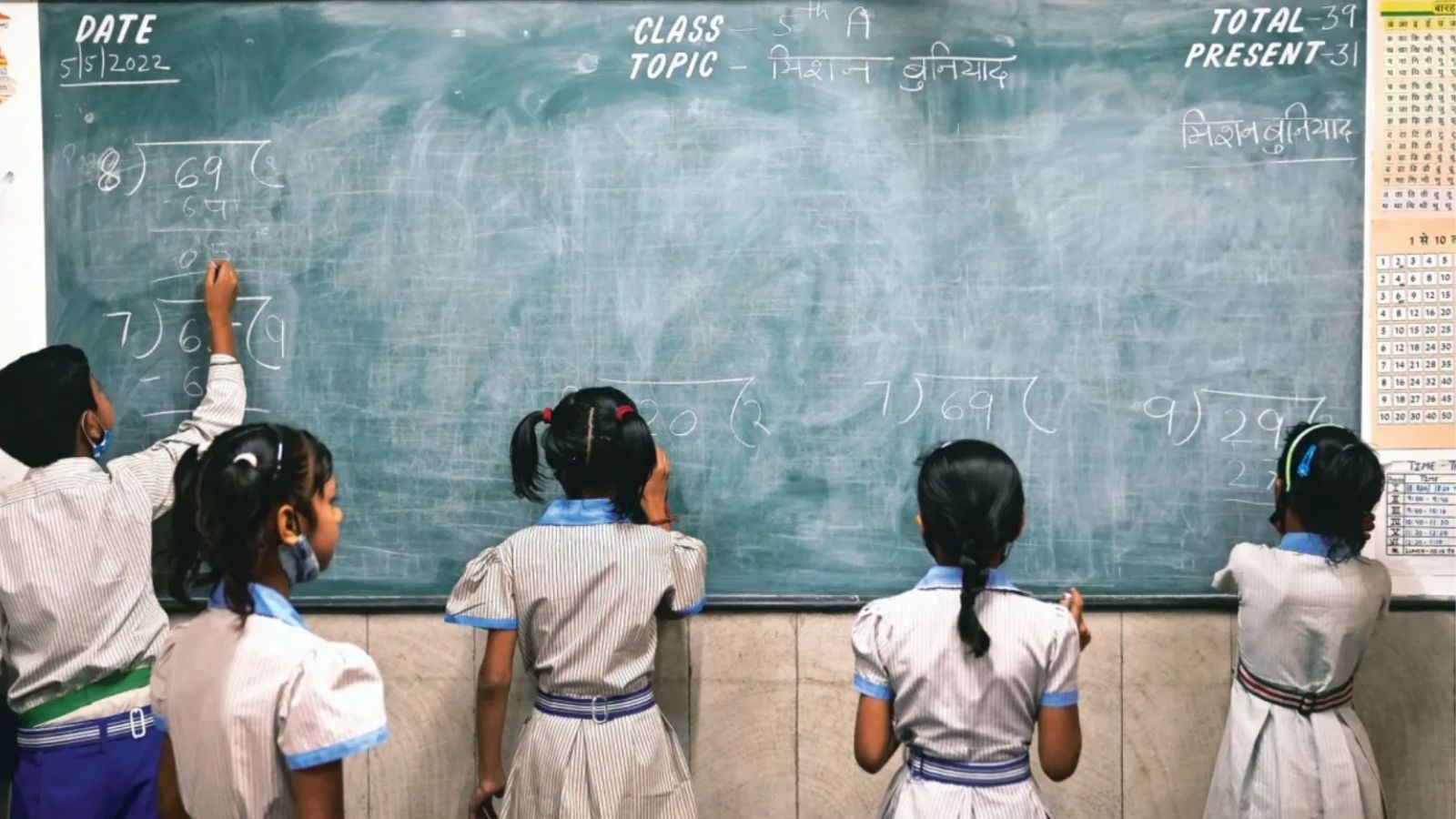
Kapoor highlighted that many parents are forced to purchase not only regular summer and winter uniforms but also special sports and activity dresses, along with at least three types of shoes for each child. For families with two or more children, the cumulative cost becomes a severe strain.
Previous Government Action
In April 2026, the Delhi government ordered private schools to display a clear disclaimer—both on notice boards and online—stating that parents are free to source uniforms, books and stationery from any vendor. However, Kapoor argues that the directive lacks enforcement teeth.
Legal Leverage
Referencing the Delhi Education Act, Kapoor asserted that the state has the authority to limit the variety and price of uniforms, ensuring affordability. He proposed two key dates: effective April 1, 2028, schools must stop selling multiple uniform sets; and from April 1, 2027, the sale of any school‑specific attire, shoes, books or bags to newly enrolled students must be prohibited.
Political Implications
Kapoor noted that parents constitute a powerful socio‑political block. Simplifying school dress codes would not only ease household budgets but also earn the ruling party political goodwill ahead of upcoming elections.
Why This Matters
BozokMedia analysis shows that the rising cost of school uniforms in Delhi’s private sector is turning education into a luxury commodity, potentially widening the socio‑economic divide among students.
"When uniform prices skyrocket, it transforms a basic educational requirement into a financial obstacle for middle‑class families," says education policy expert Dr. Anjali Mehta.
Frequently Asked Questions
Q1: Will the proposed ban apply to all private schools in Delhi?
A: Yes, the letter targets every private school registered under the Delhi Education Act.
Q2: Does the policy prohibit schools from selling any uniforms at all?
A: No, schools may continue offering standard, affordable uniforms; the ban focuses on multiple, high‑priced sets and exclusive vendor mandates.