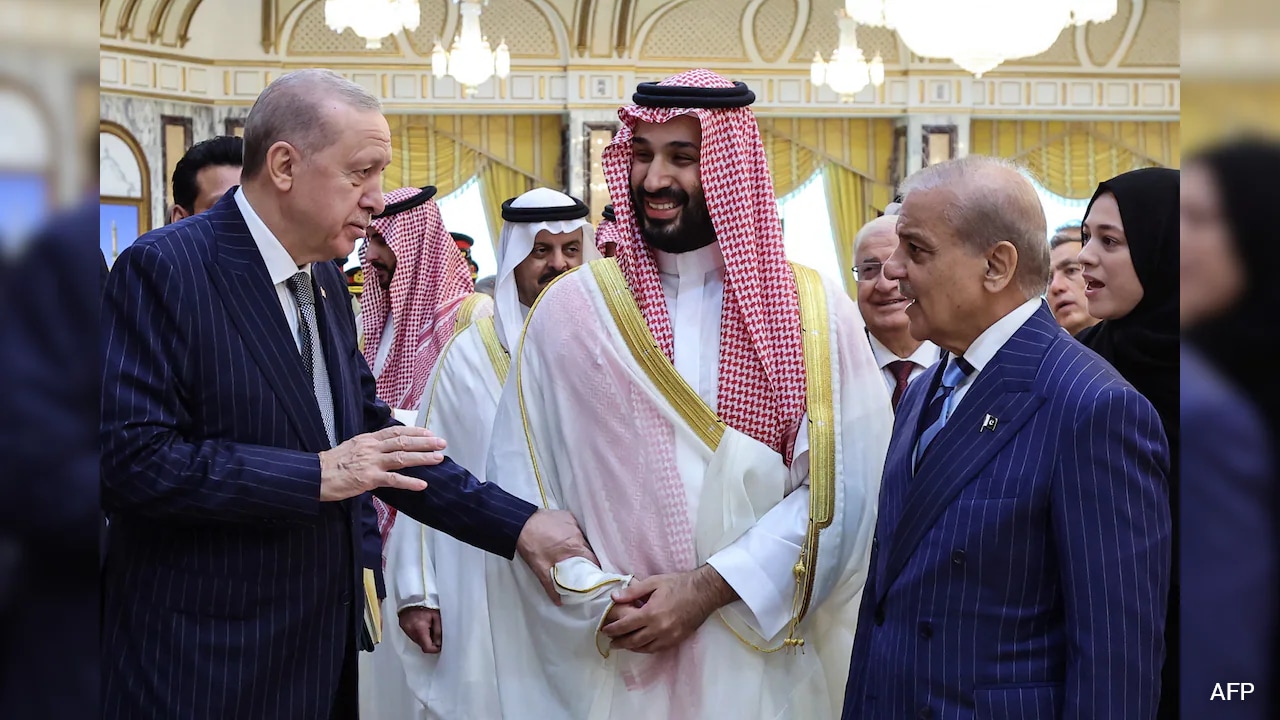
The recently signed defence pact is being touted as a catalyst for regional peace, yet the three signatory nations must first secure internal stability. Experts warn that credibility gaps could undermine the agreement’s intended impact.
- Saudi Arabia, United Arab Emirates and Bahrain sign a new defence pact
- Credibility of the agreement is under scrutiny
- Regional stability hinges on each nation’s internal peace
In April 2024, Saudi Arabia, the United Arab Emirates and Bahrain entered into a comprehensive defence agreement aimed at bolstering collective security amid a volatile Middle‑East landscape. Proponents herald the pact as a major step toward lasting peace and stability in the Gulf.
Nevertheless, doubts are mounting about the pact’s efficacy. Analysts argue that persistent political turbulence, economic pressures, or domestic security challenges within any of the three states could erode the agreement’s credibility from the outset.
Historically, Gulf nations have pursued security cooperation through the Gulf Cooperation Council (GCC) since the 1980s, but internal disagreements and shifting foreign policies have repeatedly tested those arrangements. The latest pact seeks to learn from past missteps by embedding joint training, technology sharing, and coordinated responses to external threats.
Despite its ambitious scope—covering joint air‑defence, maritime surveillance, cyber‑security and rapid‑response forces—the pact must contend with recent domestic upheavals: Saudi Arabia’s economic diversification drive, the UAE’s evolving diplomatic posture, and Bahrain’s ongoing political reforms.
Why This Matters
BozokMedia analysis shows that the success or failure of this agreement will ripple beyond the Gulf, influencing global oil markets, foreign investment flows, and the strategic calculus of the United States and China in the region.
"Stability cannot be imported; it must be cultivated at home—this defence pact needs proof that its members are themselves stable," says Professor Amin Al‑Hassan, expert in International Relations.
Frequently Asked Questions
Question 1: What specific military capabilities will be shared under the pact?
Answer: The agreement includes joint air‑defence systems, maritime patrol coordination, cyber‑defence cooperation, and a unified emergency response mechanism.
Question 2: Could this pact shift the Gulf’s alignment away from the United States or China?
Answer: While the pact is framed as an independent, multilateral security initiative, shifts in external great‑power partnerships remain possible depending on regional dynamics.