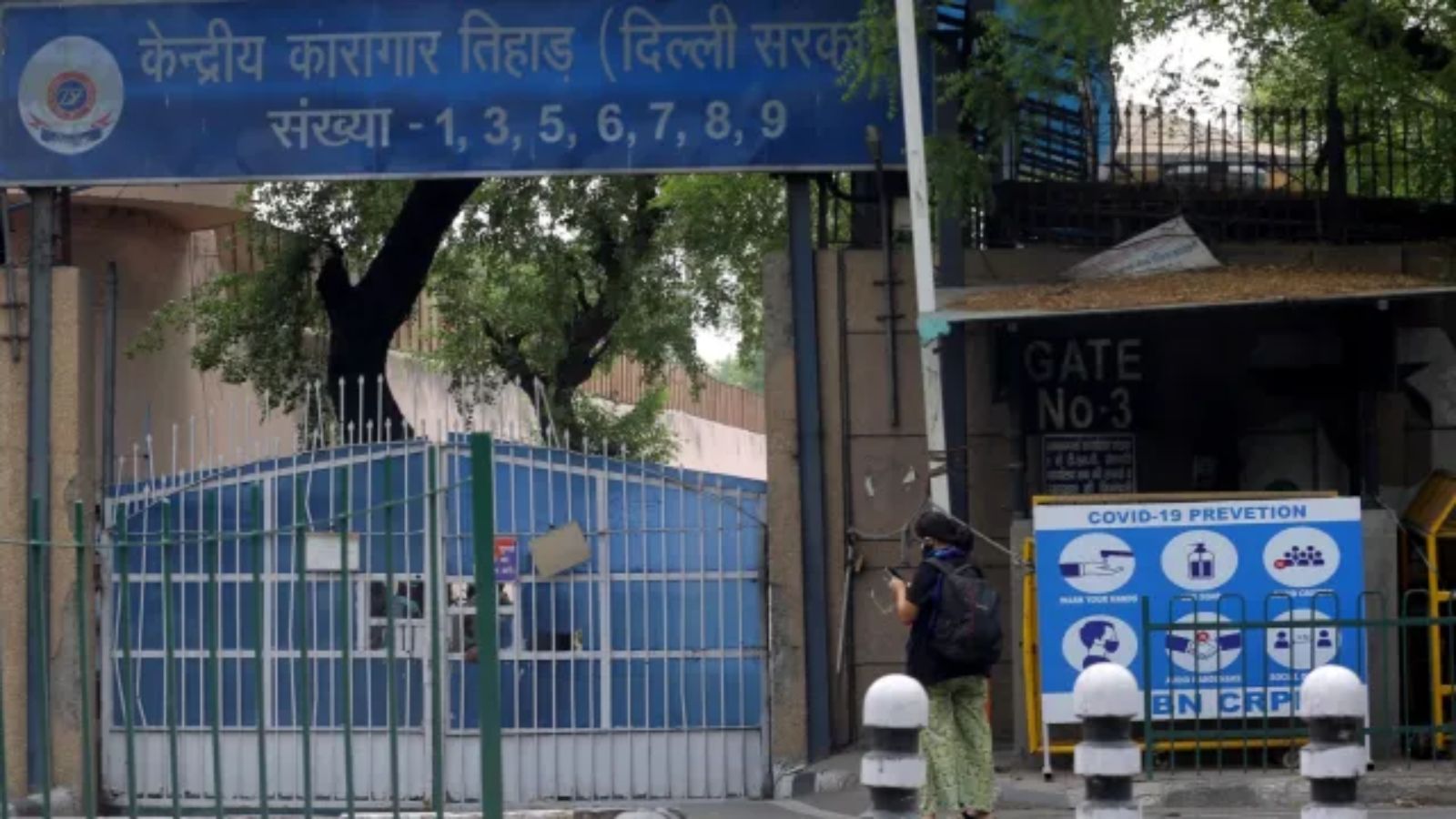
The Delhi government announced plans to use the Transfer of Prisoners (Punjab Amendment) Act, 2025, allowing under‑trial gangsters and other high‑risk inmates to be moved to prisons in other states. The move aims to boost jail security, protect trial integrity and curb organized crime.
- Inter‑state transfer of high‑risk under‑trial criminals approved.
- Requires mutual consent of states or Home Ministry approval.
- Reduces influence over witnesses and in‑prison criminal networks.
The Delhi government declared on Sunday that it will implement the Transfer of Prisoners (Punjab Amendment) Act, 2025, which permits the interstate relocation of under‑trial gangsters, organised criminals and other high‑risk prisoners. Chief Minister Rekha Gupta said the step is taken in the interest of prison security, law and order, and public safety.
Historical Background
Under the existing Transfer of Prisoners Act, 1950, only convicted offenders can be moved between states, while the Prisons Act, 1900 restricts under‑trial inmates to facilities within the same state. This limitation has created serious security concerns in Delhi’s jails. In May 2026, Delhi prisons housed 188 members of 26 identified gangs, with 107 already arrested, yet many continued to coordinate violent activities from inside.
Legal Changes and Procedure
The Punjab government pioneered the amendment, receiving presidential assent on 21 April 2025. The law authorises the transfer of under‑trial prisoners “to maintain security and law and order or in the public interest.” Delhi’s proposed framework requires the "mutual consent of the concerned states or approval of the Ministry of Home Affairs," and any judicial proceedings post‑transfer will comply with the Bharatiya Nagarik Suraksha Sanhita, 2023.
Why This Matters
BozokMedia analysis shows that moving hardened under‑trial offenders out of the capital can dramatically limit their ability to manipulate witnesses, orchestrate gang wars, and sustain criminal conspiracies from within prison walls. This reform aligns Delhi’s correctional strategy with broader national security objectives.
"Transferring high‑risk under‑trials away from Delhi strengthens the credibility of the judicial process," said legal scholar Prof. Ajay Singh.
Did You Know?
Frequently Asked Questions
Question 1: Will this amendment apply to all under‑trial inmates?
Answer: Only those classified as high‑risk, gang‑linked or posing a threat to public safety will be eligible for transfer under the new law.
Question 2: What role does the Home Ministry play in the transfer process?
Answer: The Ministry reviews each case’s security assessment and grants or denies approval, ensuring coordination at the national level.