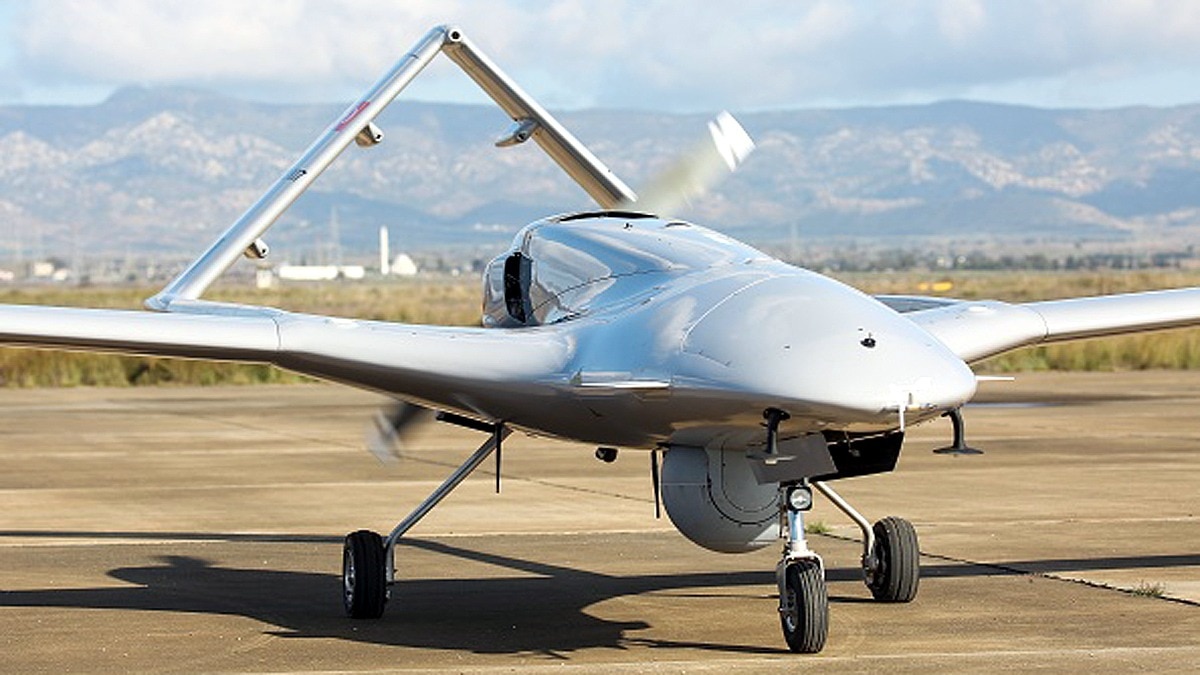
Between August 18‑20, 2026, Pakistan received multiple military shipments from China’s Y‑20 and Turkey’s A400M aircraft. The equipment, including TB‑2 drones and AI‑enabled munitions, could signal a new offensive posture against India.
- Chinese and Turkish cargo flights landed at Pakistan’s Noor Khan and Murid airbases on Aug 18‑20
- TB‑2 drones, Y‑HA‑3 loitering munitions and AI‑powered systems were delivered
- These assets may create fresh security challenges for India’s borders
From August 18 to 20, 2026, several Chinese and Turkish military cargo aircraft were observed over Pakistan. China’s Y‑20 transport aircraft touched down at Noor Khan and Masroor bases, while Turkey’s Airbus A400M arrived at Murid Airbase from Istanbul. Simultaneously, a Turkish C‑130 Hercules was spotted at the same locations.
Analysts on social media quickly linked the flights to a “secret mission,” suggesting that Pakistan is gearing up for potential operations against India. The Turkish shipment reportedly includes upgraded TB‑2 drones, Y‑HA‑3 loitering munitions and three new AI‑enabled onboard computers capable of identifying and analysing targets up to 1,000 km away.
The TB‑2‑AI variant carries a 250 kg payload, can stay aloft for 27 hours, and integrates broadband sat‑com to operate beyond line‑of‑sight. This capability allows it to strike deep into Indian territory, targeting urban centres and critical infrastructure.
Turkey’s Y‑HA‑3 loitering munition can transport up to 6 kg of warhead, boasts a range of over 200 km, and features one‑hour endurance. It can be launched from a pickup truck using a sprint‑launch system, equipped with electro‑optical sensors and AI‑assisted guidance.
From China, the Y‑20 delivered HQ‑9 and HQ‑16 air‑defence batteries, along with spare parts for J‑10C, JF‑17 and VT‑4 tanks. These systems not only upgrade Pakistan’s existing capabilities but also provide a data‑rich environment for AI‑driven war‑game training, especially relevant along the Himalayan frontier.
Why This Matters
BozokMedia analysis shows that this trilateral cooperation intensifies the India‑Pakistan security dilemma while offering China and Turkey a foothold in the Middle‑East defence market. With AI‑enabled drones and advanced air‑defence, Pakistan could conduct high‑precision surveillance and strike missions across the border.
"Pakistan’s new procurements will tilt the regional defence balance, particularly through AI‑driven UAV capabilities," says defence analyst Dr. Ali Hassan.
| Package | Source Country | Key Systems | Range/Capability |
|---|---|---|---|
| Turkish Package | Turkey | TB‑2 drone, Y‑HA‑3 loitering munition | 200 km range, 6 kg warhead |
| Chinese Package | China | HQ‑9, HQ‑16 air‑defence, J‑10C spare parts | 200 km+ radar coverage, multi‑role |
Frequently Asked Questions
Q1: Will these weapons pose an immediate threat to the India‑Pakistan border?
A: The capabilities enable cross‑border surveillance and targeted strikes, raising tension, but actual use will depend on political decisions.
Q2: How might the China‑Turkey partnership evolve in the defence sector?
A: Both countries aim to expand their market share in Central Asia and the Gulf; deeper technology sharing and joint projects are likely.