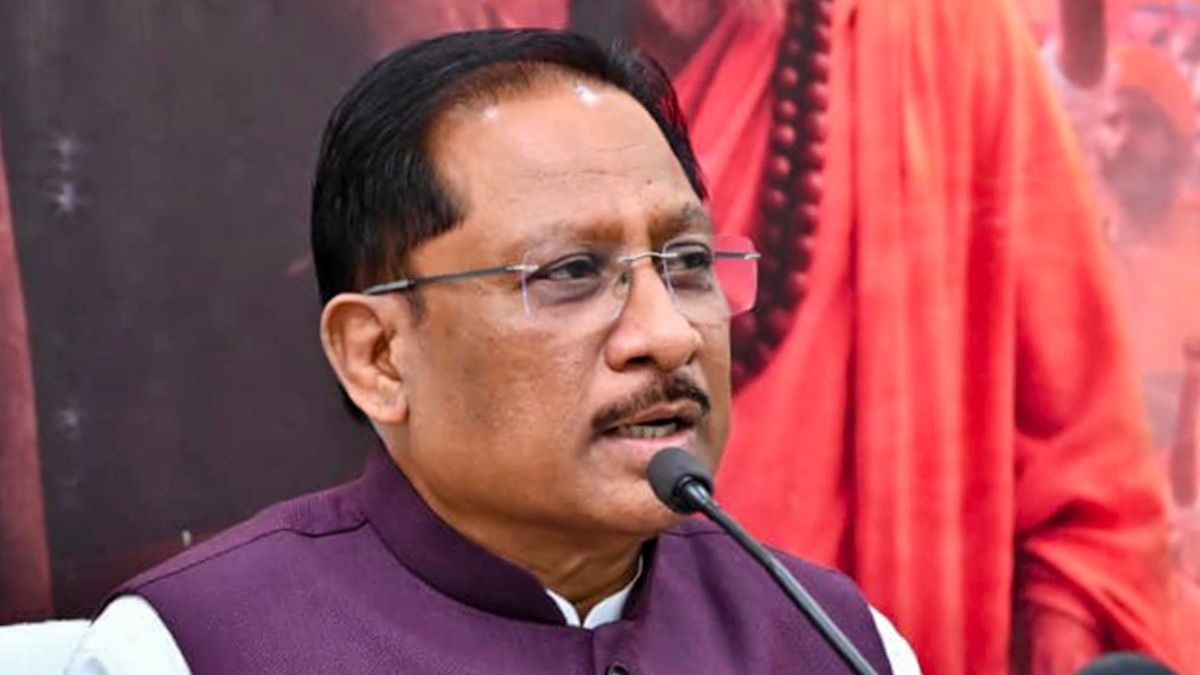
Chief Minister Vishnu Deo Sai has announced the expansion of the Atal Utkrisht Shiksha Yojana, doubling the number of beneficiaries to 200 students. The initiative ensures that children of laborers receive free, high-quality education at premier residential institutions.
- Beneficiary count for Atal Utkrisht Shiksha Yojana increased from 100 to 200 students.
- Free education provided from Classes 6 to 12 at elite schools like DPS and Rajkumar College.
- ₹39.67 crore released via DBT to over 1.45 lakh workers under various welfare schemes.
- Expansion aims to bridge the educational gap for children of the state's labor force.
In a significant move to democratize quality education, Chhattisgarh Chief Minister Vishnu Deo Sai announced the expansion of the Atal Utkrisht Shiksha Yojana. The scheme, which was initially launched last year to support 100 students, has now been scaled up to accommodate 200 talented children from workers' families across all 33 districts of the state.
The program is designed to remove financial barriers that often hinder the aspirations of children from marginalized backgrounds. Under this initiative, selected students are provided free education from Class 6 to 12 at prestigious residential institutions, including Delhi Public School (DPS), Rajkumar College, and Rungta Public School. This ensures that these students receive not only academic excellence but also the social exposure required to compete at a national level.
Why This Matters
BozokMedia analysis shows that by targeting the children of the labor force, the Chhattisgarh government is attempting to break the cycle of intergenerational poverty. Providing access to English-medium, high-end residential schooling transforms the social trajectory of these children, moving them from unskilled labor backgrounds toward professional careers in medicine, engineering, and administration.
"When quality education is decoupled from financial status, the innate talent of the grassroots workforce becomes the engine for state-wide economic transformation."
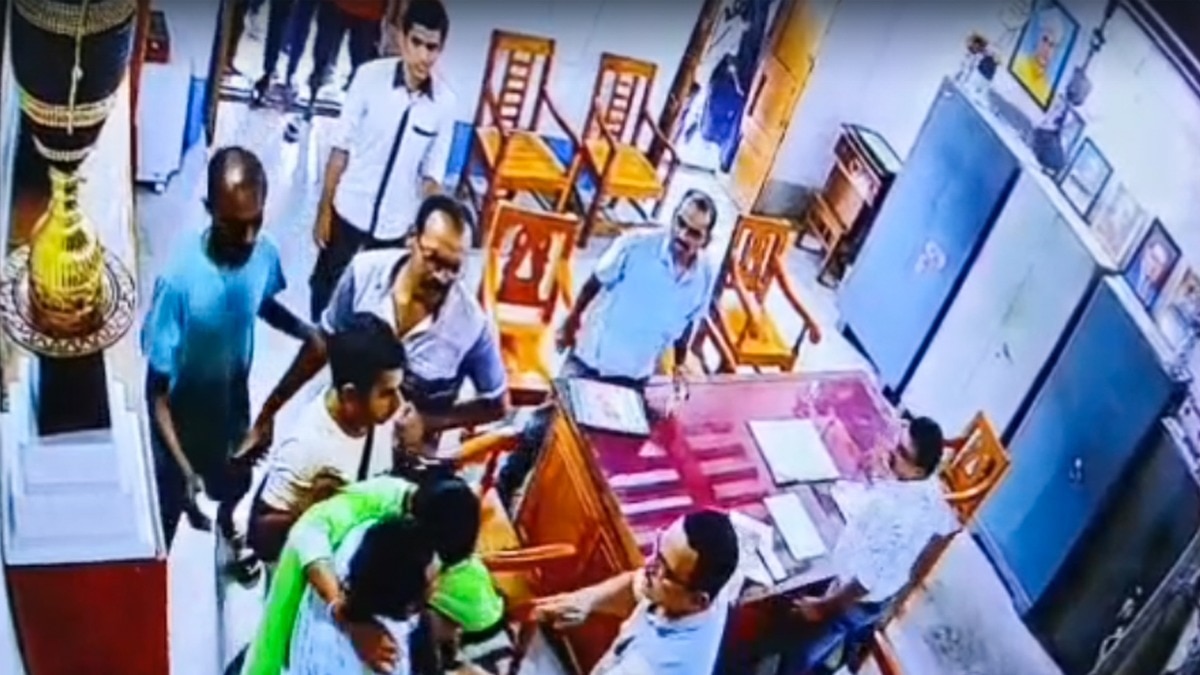
Beyond the educational scheme, the state government has reinforced its commitment to labor welfare. During a recent felicitation ceremony, it was revealed that ₹39.67 crore has been transferred through Direct Benefit Transfer (DBT) to the accounts of 1,45,841 workers. Labour Minister Lakhan Lal Dewangan further highlighted that over ₹774 crore has been distributed via DBT over the last 30 months across 67 different welfare schemes.
The government's vision extends beyond primary and secondary schooling. Chief Minister Sai emphasized that with the presence of IIT, IIM, and AIIMS in the state, the government is now exploring higher education loans and assistance for workers' children who wish to study abroad. Additionally, the establishment of 'Education Cities' in remote and formerly Naxal-affected areas like Orchha and Jagargunda in Bastar signifies a strategic push toward inclusive development.
| Feature | Previous Phase | Current Phase |
|---|---|---|
| Student Capacity | 100 Students | 200 Students |
| Coverage | Selected Districts | All 33 Districts |
| Education Level | Class 6-12 | Class 6-12 + Higher Ed Support |
Frequently Asked Questions
Q1: Which schools are associated with the Atal Utkrisht Shiksha Yojana?
A: Students are admitted to premier residential schools such as Delhi Public School, Rajkumar College, and Rungta Public School.
Q2: How is the financial aid for workers being delivered?
A: The government uses Direct Benefit Transfer (DBT) to ensure funds reach the bank accounts of workers without intermediaries.