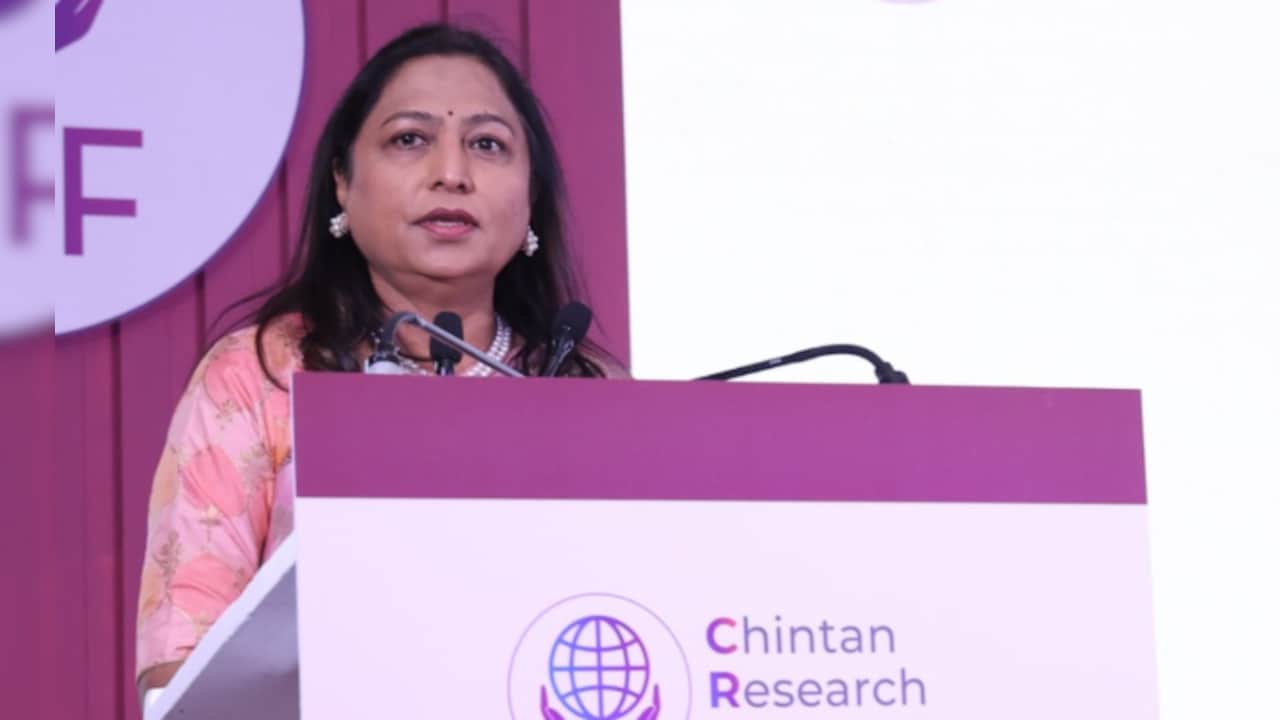
In a candid interview, Priti Adani argued that India’s social sector suffers not from a lack of funds but from insufficient capacity. She urged philanthropists to focus on empowering institutions rather than merely funding projects.
- India has abundant financial resources for social initiatives.
- Building institutional capacity is crucial for lasting change.
- Philanthropists should prioritize empowerment over short‑term programs.
Priti Adani stated in a recent interview that the challenge in India is not money but capacity. She emphasized that philanthropy should move beyond merely running programs to strengthening the organizations that deliver them.
Adani’s Argument
Adani explained, "Independence for millions of women is not an abstract idea; it is the freedom of choice, the freedom of opportunity, and the freedom of upward mobility." She added that without robust institutional frameworks, even large financial inputs fail to generate sustainable impact.
Historical Background of Indian Philanthropy
Over the past two decades, India’s charitable landscape has transformed dramatically. Corporate families and foundations have poured billions into education, health, and climate initiatives. Yet many projects remain shallow because the underlying institutions lack the capacity to scale and sustain them.
Why This Matters
BozokMedia analysis shows that a shift from project‑centric grants to capacity‑building frameworks could unlock exponential social returns, especially in rural and marginalized communities where institutional gaps are widest.
"Capacity building is the cornerstone of sustainable development," says Dr. Meera Sharma, senior fellow at the Indian Institute of Development.
Frequently Asked Questions
Question 1: What does capacity building mean in philanthropy?
Answer: It involves equipping organizations with management, technical, and financial skills so they can operate sustainably on their own.
Question 2: Is this approach suitable for all charitable entities?
Answer: Most large donors are moving toward this model because it maximizes long‑term impact.