A recent suicide at IIT Delhi has ignited intense protests among students, highlighting the growing crisis of academic pressure and the urgent need for mental health support in premier institutes.
- Another student suicide reported at IIT Delhi campus.
- Students launching protests demanding better mental health infrastructure.
- Deep concerns raised regarding academic pressure and institutional accountability.
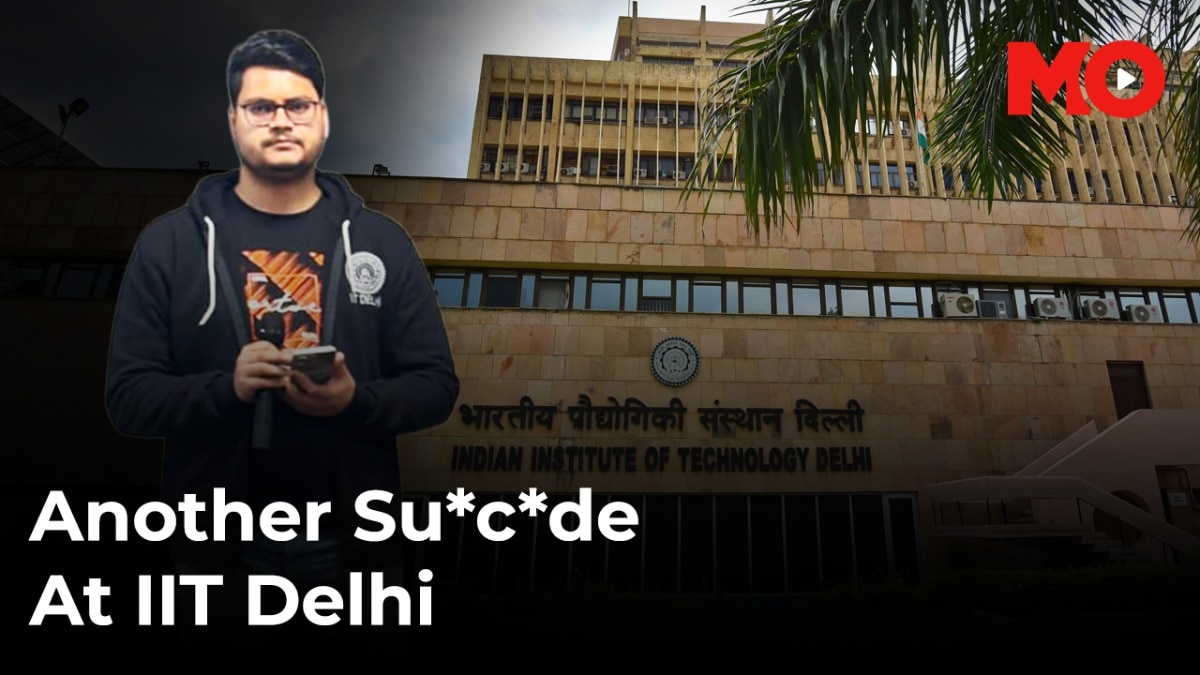
The Indian Institute of Technology (IIT) Delhi is once again at the center of a storm following the tragic suicide of a student. This latest incident has sent shockwaves through the academic community and has reignited a fierce debate regarding the mental health crisis and the intense competitive pressure faced by students in India's premier engineering institutions.
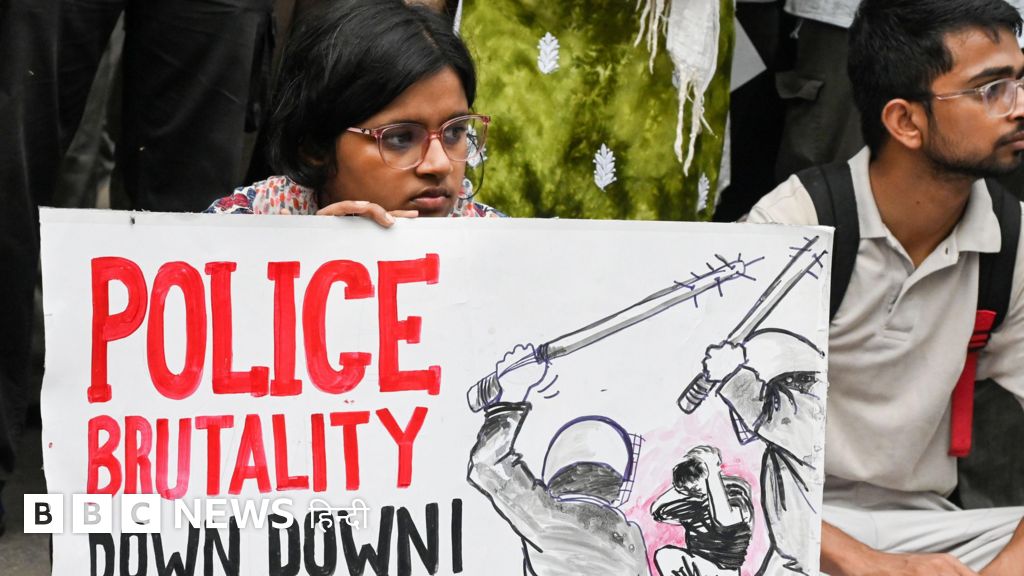
Following the incident, students have taken to the streets to voice their grievances. The protests are not merely about the loss of a life but are a reaction to what many perceive as a systemic failure to address the psychological well-being of the student body. Protesters are calling for immediate reforms in how mental health is managed on campus and are demanding greater transparency from the administration.
Why This Matters
BozokMedia analysis shows that these recurring tragedies at top-tier institutions like IITs signal a deep-seated structural issue within the Indian higher education system. When the nation's brightest minds are pushed to the brink by academic rigor and placement anxieties, it necessitates a fundamental shift in institutional priorities from purely academic metrics to holistic student welfare.
Institutions must pivot from a culture of extreme competition to a culture of support to prevent further loss of young lives.
The demands of the student community are clear: increased access to trained mental health professionals, a reduction in overwhelming academic workloads, and the creation of a non-judgmental environment where students can seek help without fear of stigma. While the administration has issued statements of condolence, the student body remains skeptical, demanding tangible policy changes rather than mere rhetoric.
Historical Background
While IITs are globally recognized for producing industry leaders, the dark side of this prestige is the high-stress environment. Over the last decade, several high-profile cases of student suicides in India have forced policymakers to look into the correlation between academic competition and mental health deterioration in elite educational hubs.
Frequently Asked Questions
Question 1: What are the primary demands of the protesting students?
Answer: Students are demanding enhanced mental health resources, systemic changes to reduce academic stress, and more proactive administrative support.
Question 2: How has the IIT Delhi administration responded?
Answer: The administration has expressed grief and promised to look into the matter, but students are pushing for more concrete and permanent institutional reforms.