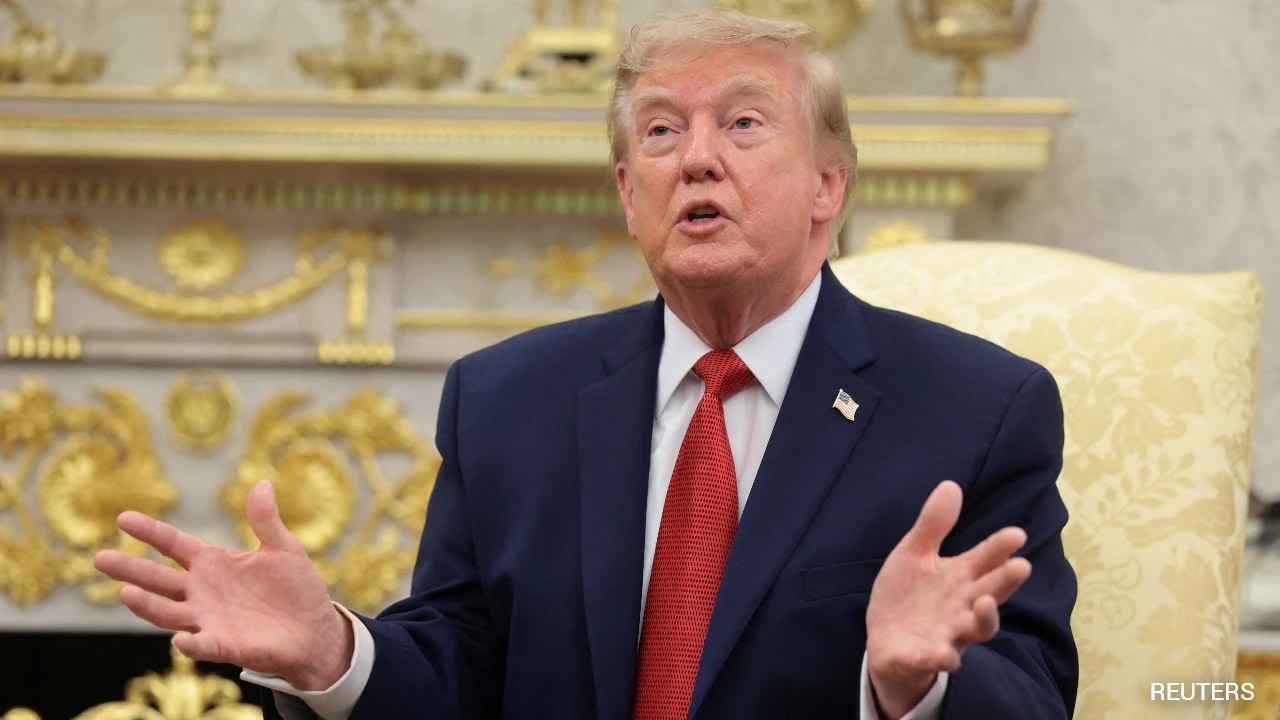
The US Supreme Court has ruled that states lacking legal standing cannot challenge Donald Trump's mail-voting order, effectively clearing the way for its implementation ahead of the midterms.
- Conservative majority ruled that suing states lacked legal standing.
- The Court avoided ruling on the actual legality of the voting order.
- The decision opens a window for implementation before the upcoming midterms.
In a pivotal move ahead of the high-stakes midterm elections, the United States Supreme Court has cleared the path for the implementation of Donald Trump's mail-in voting plan. The decision comes amid a climate of intense scrutiny regarding election integrity and voter access across various swing states.
The court's conservative majority opted for a procedural resolution rather than a substantive one. Instead of deciding whether the order itself was constitutional or legal, the justices ruled that the states bringing the lawsuit did not possess the necessary legal standing to challenge the federal order. Consequently, the existing restrictions on the order have been lifted.
Why This Matters
BozokMedia analysis shows that this ruling creates a dangerous precedent regarding federal oversight of state-led election processes. By dismissing the states' standing, the court has effectively allowed a federal mandate to proceed without a full trial on its merits, which could significantly alter voter turnout dynamics in critical districts.
"This is a procedural victory, not a constitutional endorsement; the legal battle over mail-in voting is far from over."
Historically, the U.S. election system has been highly decentralized, with states exercising primary control over how ballots are cast and counted. The attempt to standardize or modify these rules via federal order represents a significant shift in the traditional balance of power between Washington D.C. and state capitals.
Despite the current victory, legal scholars suggest that this decision leaves a 'litigation gap.' Because the court did not rule on the legality of the plan, new challenges based on different legal theories or brought by different plaintiffs could still emerge, potentially creating chaos just days before the polls open.
Frequently Asked Questions
Q1: Did the Supreme Court declare Trump's order legal?
No, the court only ruled that the specific states suing did not have the legal right to challenge it; the core legality remains undecided.
Q2: How does this affect the upcoming midterm elections?
It allows the administration to move forward with its voting plan, which may change how millions of Americans cast their ballots.