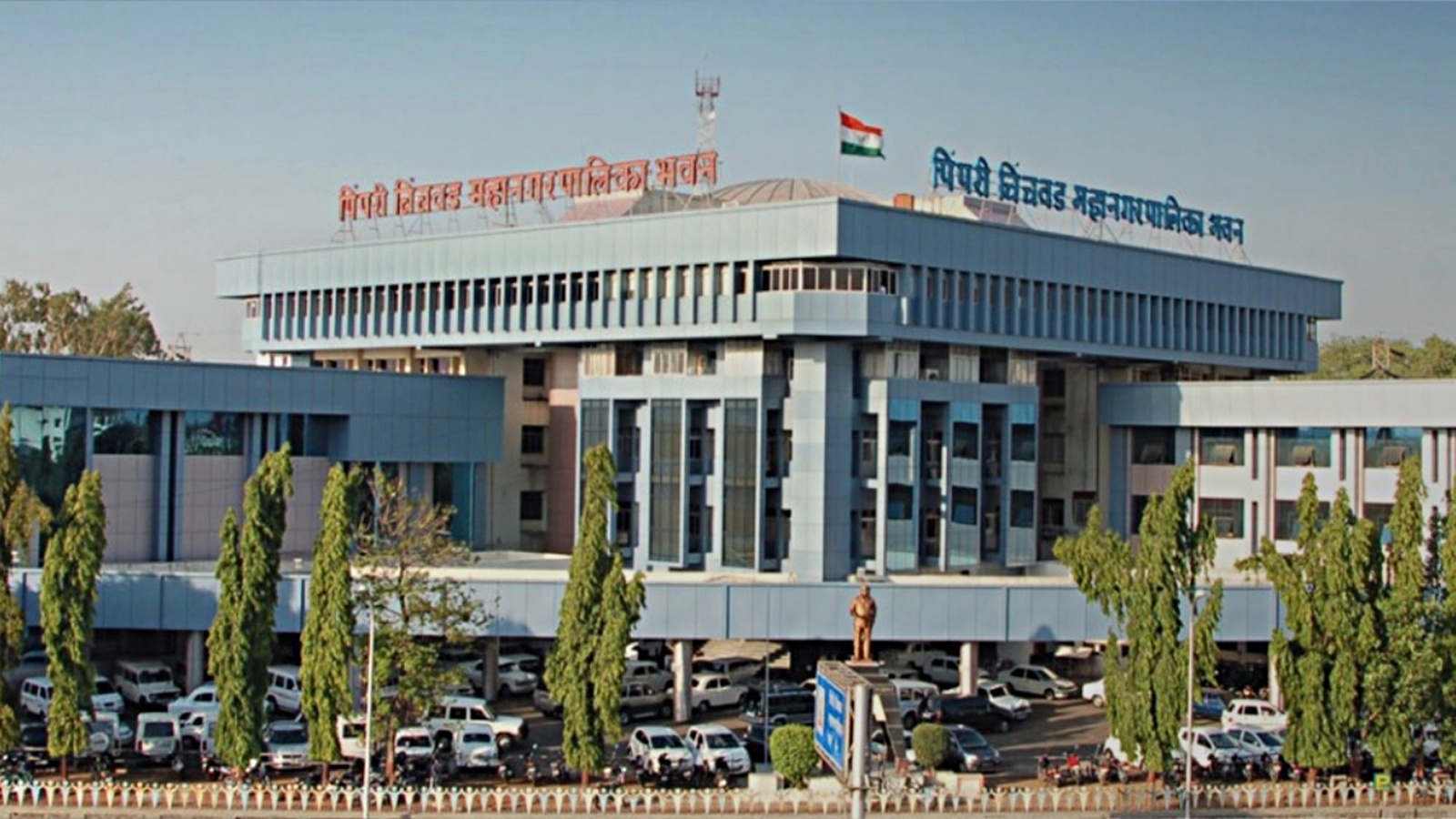
As the establishment of Bharat Future City gains momentum, the FCDA has initiated a stakeholder workshop to gather critical inputs from various departments and international consultants.
- FCDA organized a stakeholder inception workshop for the Future City master plan.
- Government agencies must submit project proposals, maps, and infrastructure requirements.
- An international consortium including DP Architects (Singapore) is leading the consultancy.
The roadmap for the establishment of Bharat Future City is officially in motion. The Government has formally requested various departments and agencies to provide comprehensive inputs regarding ongoing and proposed projects, sector-specific concerns, and critical infrastructure requirements. This collaborative approach aims to ensure that the city's foundation is robust and future-ready.
The Future City Development Authority (FCDA) organized a high-level stakeholder inception workshop to facilitate this process. The primary objective is to formulate a visionary and comprehensive master plan. Departments responsible for civic amenities have been specifically directed to submit detailed recommendations, supported by relevant plans, maps, and datasets.
International Expertise and Strategic Vision
To ensure global standards of urban planning, the project has engaged an international consultancy consortium. The workshop saw active participation from representatives of DP Architects Pte. Ltd. (Singapore), CBRE South Asia Pvt. Ltd., and The Urbanizer Global LLP.
During the session, the FCDA presented its strategic priorities and the overarching vision for the Future City. Following this, the consultancy consortium provided an in-depth presentation on the project's scope of work, anticipated timelines, preliminary analysis, and the methodological approach for developing the master plan.
Why This Matters
BozokMedia analysis shows that the Bharat Future City project represents a paradigm shift in Indian urbanism. By integrating international expertise with local departmental data, the government is attempting to mitigate common urban failures such as unplanned congestion and inadequate utility management before they occur.
Integrating global architectural standards with localized data is the only way to build a resilient, self-sustaining urban ecosystem.
The success of this master plan hinges on the accuracy of the data provided by various agencies. A well-coordinated input phase will prevent future conflicts between infrastructure development and civic service delivery, ensuring a seamless living experience for future residents.
Historical Background
The concept of dedicated 'Future Cities' has gained traction globally as a solution to the rapid, often chaotic, urbanization seen in developing economies. These planned cities aim to bypass the structural issues of older metropolitan areas by implementing smart grids, advanced transit systems, and sustainable land-use policies from the ground up.
Frequently Asked Questions
1. What is the role of the FCDA?
The Future City Development Authority is the nodal agency responsible for the planning, development, and strategic oversight of the Bharat Future City.
2. Which international firms are involved in the project?
The project is being supported by a consortium including Singapore-based DP Architects, CBRE South Asia, and The Urbanizer Global LLP.