A major scandal has erupted in South Korea as four bodies were discovered on Jeju Island, exposing systemic failures and alleged deception by police officers in missing persons cases.
- Four bodies of missing persons have been recovered on South Korea's Jeju Island.
- A police sergeant is under arrest for allegedly deceiving families and prematurely closing cases.
- President Lee Jae-myung has ordered sweeping police reforms following the scandal.
- Authorities are reviewing nearly 300 cases previously handled by the accused officer.
The tranquil holiday destination of Jeju Island has been rocked by a grim discovery as the bodies of four missing individuals were recovered, triggering a massive scandal within the South Korean Police. The incident has ignited public fury, with allegations surfacing that authorities mishandled missing persons reports, leading to preventable tragedies.
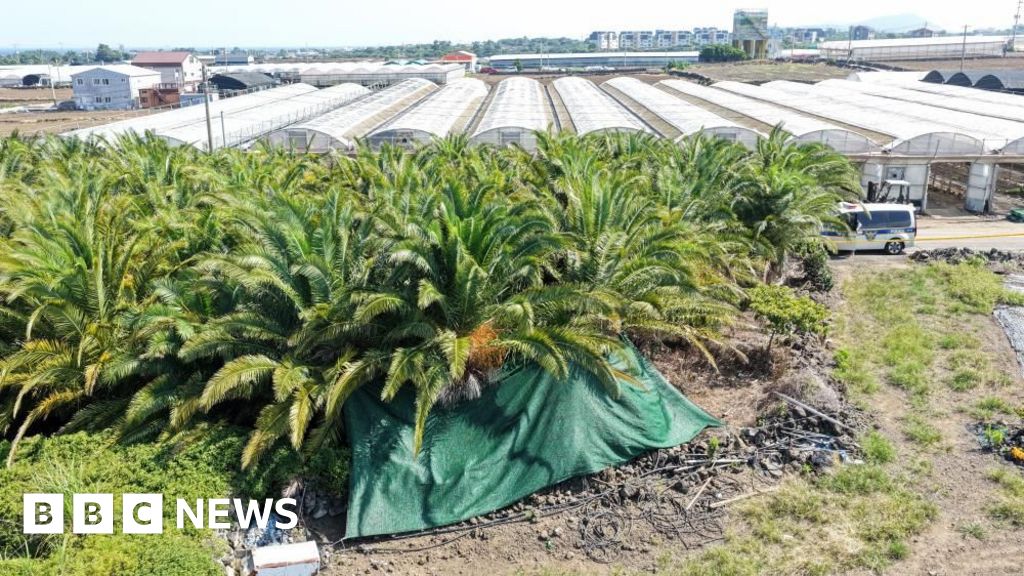
At the center of the controversy is a police sergeant, surnamed Bu, who has been arrested for allegedly lying to the families of the missing. Investigations suggest that Bu prematurely closed several cases without adequate verification. In one instance, the body of 37-year-old Jang Mi-ran was found at a palm tree farm just 500 meters from her residence. It is alleged that Bu had falsely informed Jang's boyfriend that she had contacted him via phone to state she did not wish to speak, effectively stalling the search.
Why This Matters
BozokMedia analysis shows that this scandal strikes at the heart of South Korea's recent judicial overhaul. The government recently transferred full investigative powers from prosecutors to the police to reduce political influence, but this crisis has reignited public fears regarding police incompetence and corruption.
"After experiencing that the absolute majority of missing adults are found quickly, officers tend to assume all cases are like that," noted Lee Yung-hyeock, a professor of police science at Konkuk University.
The human cost of this negligence is devastating. The family of a man in his 60s expressed profound grief after being told by police that their relative was 'safe' but 'did not wish to disclose his location.' After 51 days of waiting based on this police assurance, his body was eventually recovered.
The scale of the potential failure is immense, as police are now scrutinizing nearly 300 missing persons reports that were handled by the accused sergeant. While South Korea enjoys a low violent crime rate, the high suicide rate and the sheer volume of missing persons reports—over 70,000 annually—require a level of diligence that critics say was tragically absent in these cases.
Frequently Asked Questions
Question 1: What triggered the police reform order?
Answer: The discovery of multiple bodies and the revelation that a police officer had been deceiving families led President Lee Jae-myung to order systemic reforms.
Question 2: How many cases are being re-examined?
Answer: Police are currently reviewing approximately 300 missing persons cases that were managed by the arrested sergeant.