A massive 21-day strike by over 14,000 contractual sanitation and fire workers has paralyzed cleanliness in Gurgaon. Residents in premium sectors fear disease outbreaks as waste piles up near multi-crore properties.
- Over 14,000 contractual municipal and fire workers are on a 21-day strike.
- Primary demands include job regularization, higher wages, and ending the outsourcing model.
- Premium areas like Sector 40 are facing severe waste accumulation and health risks.
- RWAs are demanding direct control over sanitation management and funds.
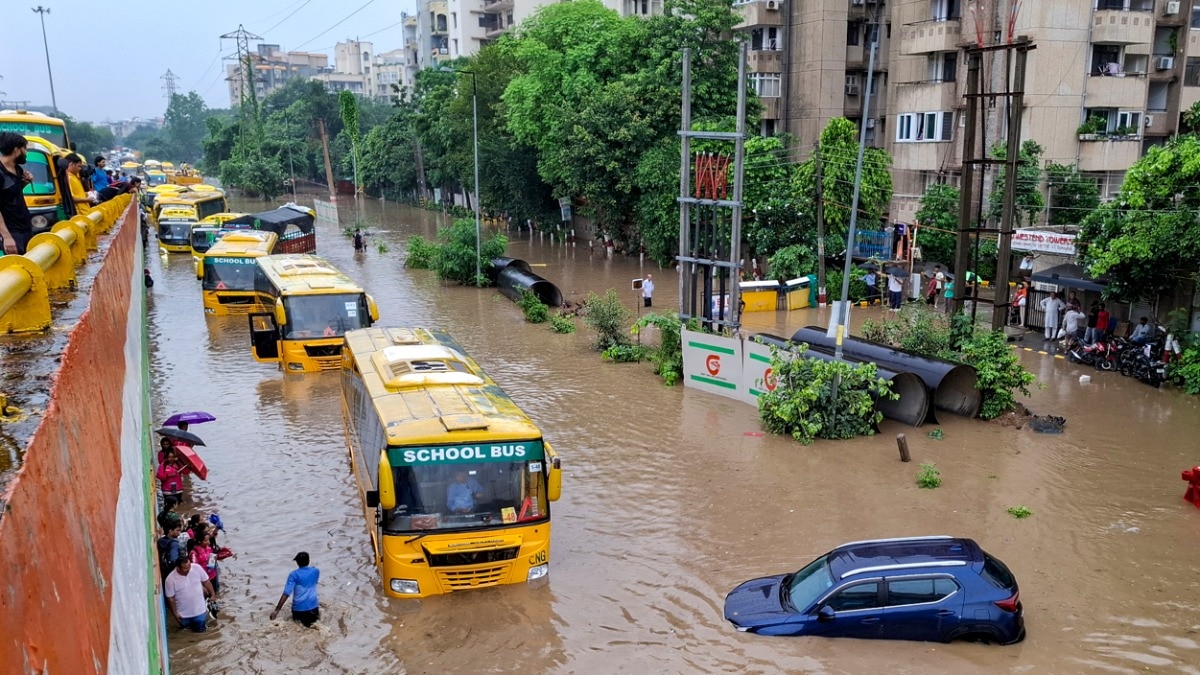
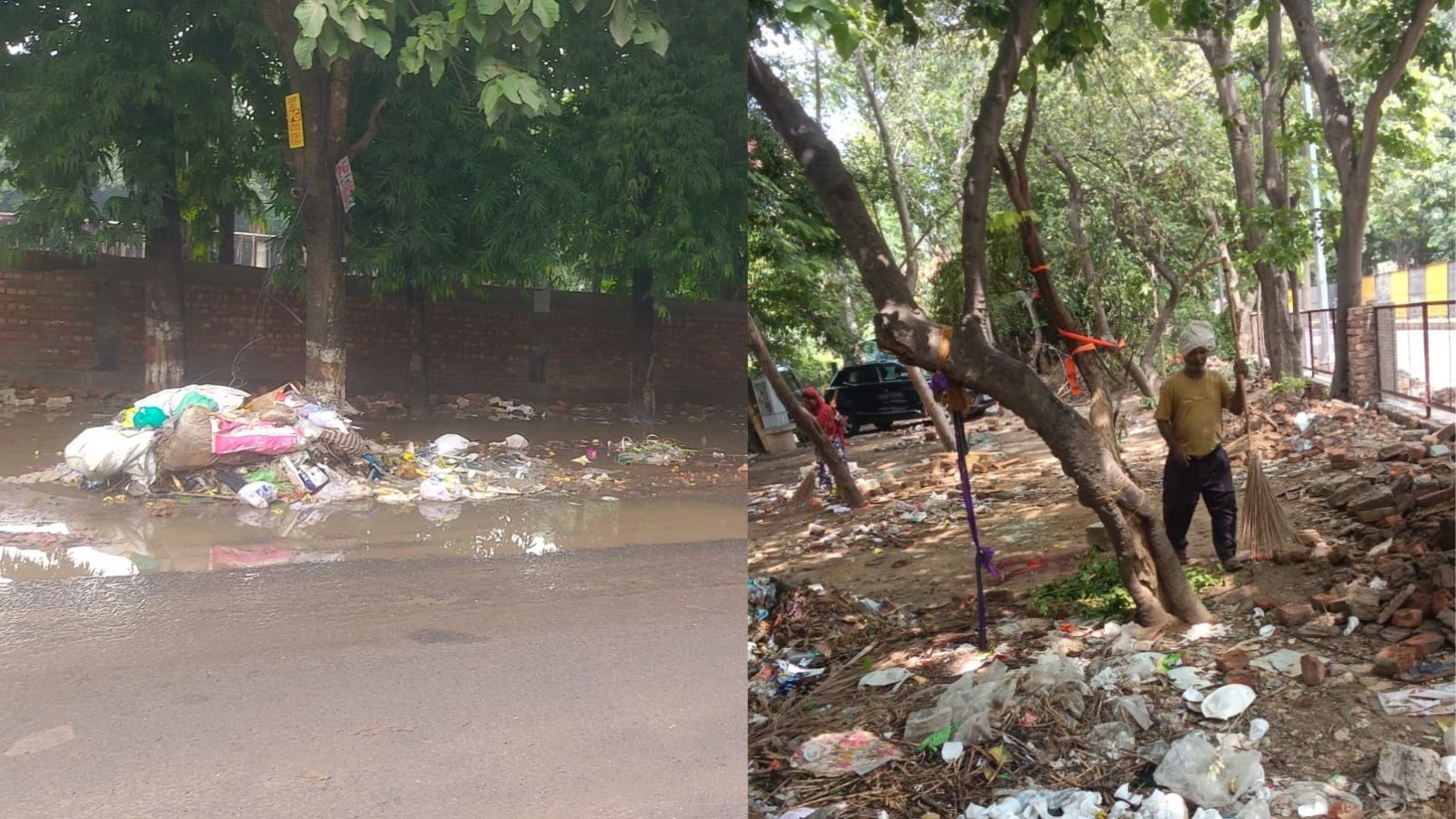
Gurgaon, one of India's most prominent corporate hubs, is currently grappling with a massive sanitation crisis. For the past 21 days, streets and commercial zones across the city have been marred by accumulating piles of waste due to an ongoing strike by more than 14,000 contractual sanitation and fire department workers. The situation has reached a breaking point, especially with recent rains exacerbating the stench and health hazards.
The crisis is most visible in high-end localities such as Sector 40, where residential plots are valued at upwards of ₹3 crore. Residents report that garbage is choking internal roads and vacant plots, turning luxury living into a nightmare. The decaying organic waste has raised significant alarms regarding the potential spread of vector-borne diseases like dengue and malaria.
Why This Matters
BozokMedia analysis shows that this strike is not merely a localized labor dispute but a systemic failure of the urban management model in rapidly growing satellite cities. The reliance on private outsourcing for essential services has created a precarious workforce that lacks the economic stability to sustain basic living standards, ultimately leading to a breakdown in civic order.
"We do not want to cause inconvenience to the public, but we have been left with no choice. It is impossible to raise a family in a city like Gurgaon on ₹18,000 a month." - Tej Pal, Sanitation Supervisor
The workers, represented by the Nagar Palika Karamchari Sangh (Haryana), are demanding the implementation of a 17-point charter agreed upon by the state government in May. Their demands include the regularization of 13,000 municipal workers, the scrapping of the private outsourcing model, and the provision of a ₹5,000 monthly risk allowance along with medical coverage.
Historical Background
For over a decade, successive administrations in Haryana have leaned heavily on the private outsourcing model to manage municipal duties. While this was intended to reduce government liability, it has resulted in a highly unstable workforce. Workers often face low wages, lack of job security, and minimal benefits, leading to recurring industrial actions that paralyze city services.
| Feature | Current Contractual Status | Demanded Regularized Status |
|---|---|---|
| Monthly Wage | ₹18,000 - ₹19,000 | Living Wage |
| Job Security | Precarious (Outsourced) | Permanent Government Roll |
| Allowances | Minimal to None | ₹5,000 Risk Allowance + Medical |
Frequently Asked Questions
1. What are the workers' main grievances?
The workers are protesting against low wages, the lack of job security under the outsourcing model, and the non-fulfillment of a 17-point agreement by the government.
2. How are residents responding?
Many Residents' Welfare Associations (RWAs) are now demanding that the Municipal Corporation hand over sanitation management and funds directly to them to ensure cleanliness.