Following the chaos at Jantar Mantar, Delhi Police Commissioner Anurag Kumar has ordered a complete revamp of intelligence gathering to monitor protesters more effectively.
- Delhi Police Commissioner Anurag Kumar has directed the Special Branch to gather 10 critical data points before protests.
- Intelligence will now include participant profiling, funding sources, and mobilization methods.
- Wireless communication systems are being upgraded for real-time field coordination.
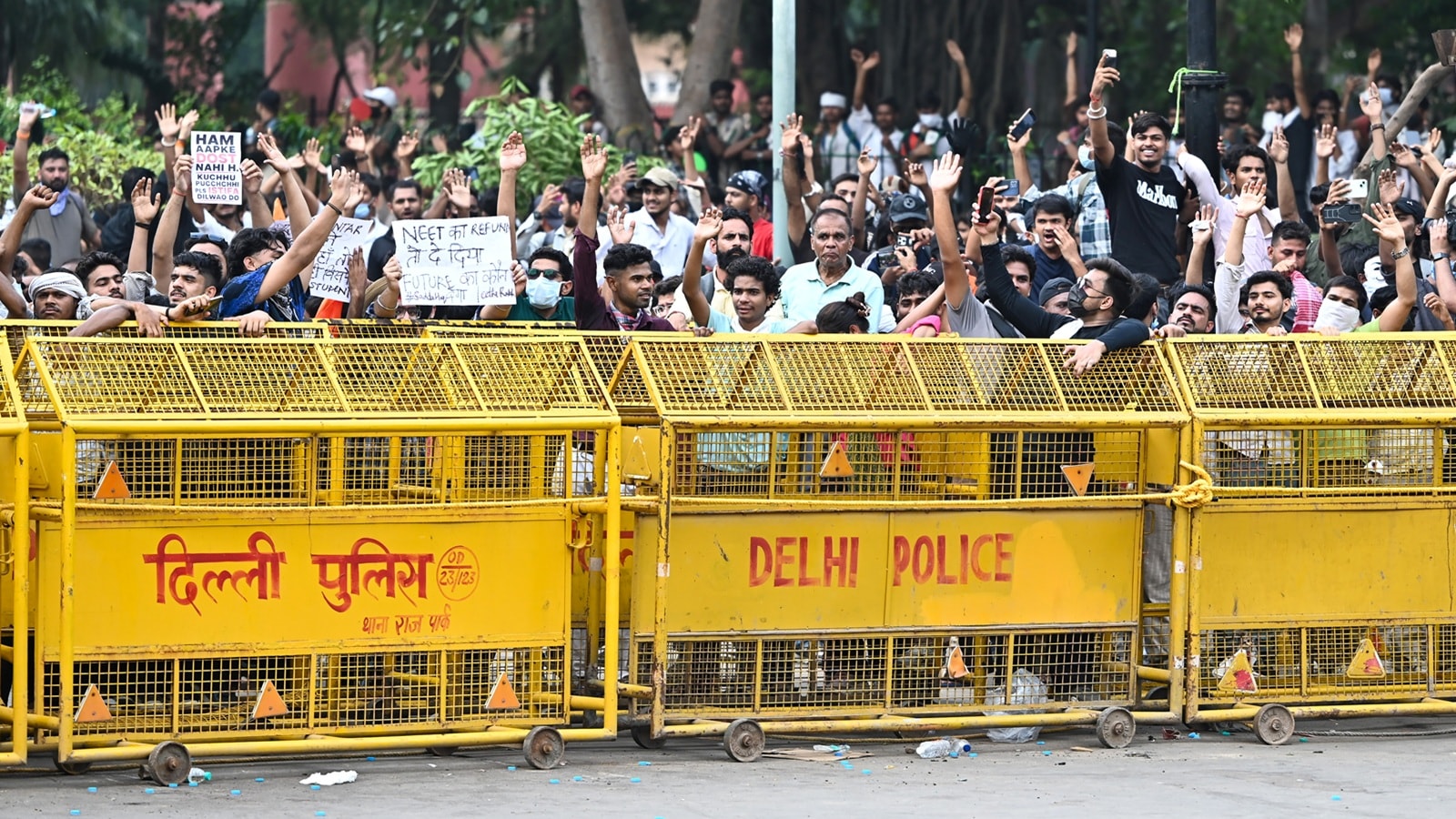
In the wake of the large-scale violence and massive protests that rocked the national capital on July 20, the Delhi Police has announced a comprehensive overhaul of its intelligence-gathering mechanism. According to high-level sources, Police Commissioner Anurag Kumar has issued direct orders to the Special Branch to ensure that no major protest occurs without a deep-dive analysis of at least 10 critical intelligence parameters.
The decision follows a chaotic incident at Jantar Mantar, where approximately 30,000 youths converged to demand educational reforms. The sudden influx led to a march toward Parliament, resulting in intense clashes between protesters and law enforcement. The subsequent use of force by police drew significant criticism, prompting an internal review of how intelligence was handled during the mobilization.
Why This Matters
BozokMedia analysis shows that the primary failure during the July 20 incident was a lack of 'actionable intelligence.' While the police knew a protest was planned, they lacked precise data on the scale of mobilization, the specific roles of various organizations, and the logistical backbone of the movement.
The shift from monitoring locations to profiling participants marks a significant evolution in urban crowd management strategies.
Under the new directives, the Special Branch will no longer settle for mere estimates of crowd size. They will now compile detailed profiles of participants, tracing their origins and determining how many individuals are arriving from specific states. Furthermore, the police will investigate the methods used for mobilization, the identity of key organizers, and even the potential sources of funding behind the protests.
Security agencies will also monitor the logistics of the protesters, including where they are staying within Delhi, their local contact networks, and their affiliations with various organizations. This proactive approach aims to identify potential flashpoints before they escalate into violence.
In addition to intelligence gathering, there is a renewed focus on technology. The Commissioner has ordered a thorough inspection and rectification of the wireless communication network to ensure that senior officers and ground personnel can exchange information instantly during high-pressure situations.
Historical Background
Jantar Mantar has long served as the epicenter for democratic dissent in India. Over decades, it has hosted everything from peaceful sit-ins to volatile confrontations, making it one of the most complex zones for the Delhi Police to manage in terms of law and order.
Frequently Asked Questions
Is the goal to ban protests in Delhi?
No. The official stance is that the objective is to better assess law-and-order situations and prevent violence, not to curb the right to protest.
What specific data will be collected?
The police will focus on participant profiles, funding, logistics, organizers, and mobilization routes.