Following devastating flash floods in Nepal that killed 177 people, Uttar Pradesh has issued a high alert in border districts like Maharajganj and Kushinagar. Rescue teams have been deployed to assist in relief operations and search for missing Indian tourists.
- At least 177 people have died and hundreds are missing due to flash floods in Nepal.
- Uttar Pradesh has sounded a high alert in Maharajganj, Kushinagar, and other border districts.
- A 32-member SDRF platoon and 22 PAC personnel have been sent to Nepal for rescue operations.
- Nearly 300 Indian tourists are reported missing in the disaster.
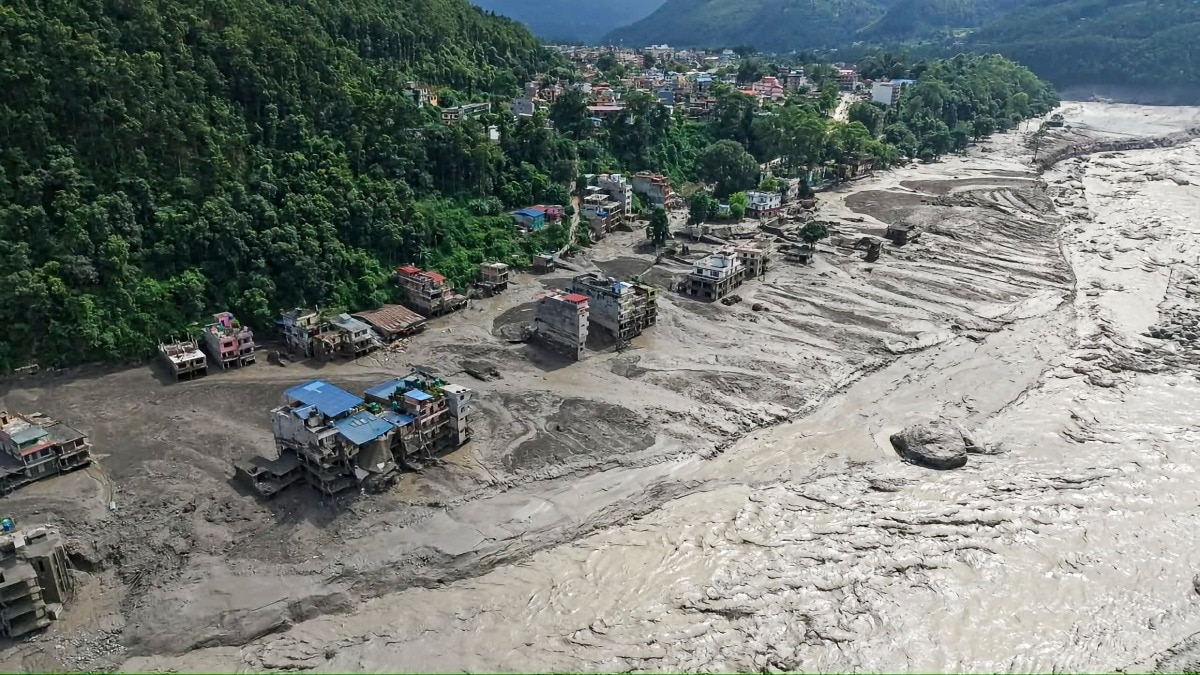
The administration in Uttar Pradesh has sounded a high alert in its northern border districts following catastrophic flash floods in neighboring Nepal. The disaster, triggered by an ice-rock landslide near the China border, has claimed at least 177 lives and left thousands missing. As river levels in the Gandak and other major water bodies continue to rise, the focus has shifted to preventing further loss of life in India's border towns.
Emergency Response and Deployment
Acting on directions from Chief Minister Yogi Adityanath, the UP government has mobilized significant resources. A 32-member SDRF (State Disaster Response Force) platoon and 22 PAC (Provincial Armed Constabulary) personnel have been dispatched to Nepal to assist in relief and rescue efforts. In addition to personnel, rubber boats and aluminum boats are being deployed to navigate the swollen river channels. The Relief Commissioner's control room is actively monitoring the situation in the border belt.
The Humanitarian Crisis in Nepal
The scale of the disaster in Nepal is immense. According to disaster management authorities, at least 826 people are missing. Nepal's Foreign Minister, Shisir Khanal, has highlighted a particularly concerning aspect: nearly 300 Indian tourists are believed to be among those missing. The floods have decimated infrastructure, blocking major highways and destroying critical bridges, making access to remote areas extremely difficult.
Why This Matters
BozokMedia analysis shows that the hydrological connection between Nepal's mountainous rivers and India's plains creates a high-risk corridor. Any landslide or blockage in the upper catchment areas in Nepal leads to immediate, violent surges in the downstream districts of Uttar Pradesh and Bihar, demanding a synchronized trans-boundary disaster management strategy.
The suddenness of these flash floods requires highly sophisticated real-time monitoring and immediate evacuation protocols in low-lying riverine areas.
In Maharajganj, District Magistrate Gaurav Singh Sogarwal and SP Shakti Mohan Avasthy have been inspecting the Narayani river and coordinating with the SSB and SDRF. Similarly, in Kushinagar, officials are monitoring the Valmikinagar barrage. Political leaders, including the Samajwadi Party, have also pledged to send medical supplies and food packets to the affected regions in Nepal.
River Water Level Status
| River Name | Location/Station | Current Status |
|---|---|---|
| Gandak (Narayani) | Kushinagar/Maharajganj | Rising levels; high monitoring |
| Rapti | Bihar/Balrampur | Increasing due to rainfall |
| Ghagra | Ballia | Above warning level |
| Sarda | Uttarakhand/Pilibhit | Significant rainfall recorded |
Frequently Asked Questions
1. How can families contact authorities regarding missing persons?
Families can contact the Relief Commissioner's control room or use the 1070 helpline for assistance.
2. Which Indian states are most affected by the Nepal floods?
Uttar Pradesh and Bihar are the primary Indian states facing rising river levels and flood risks.