Central Secretaries have directed states to converge VB-G RAM G funds with Jal Jeevan Mission 2.0 to bolster drinking water sustainability and groundwater recharge in rural India.
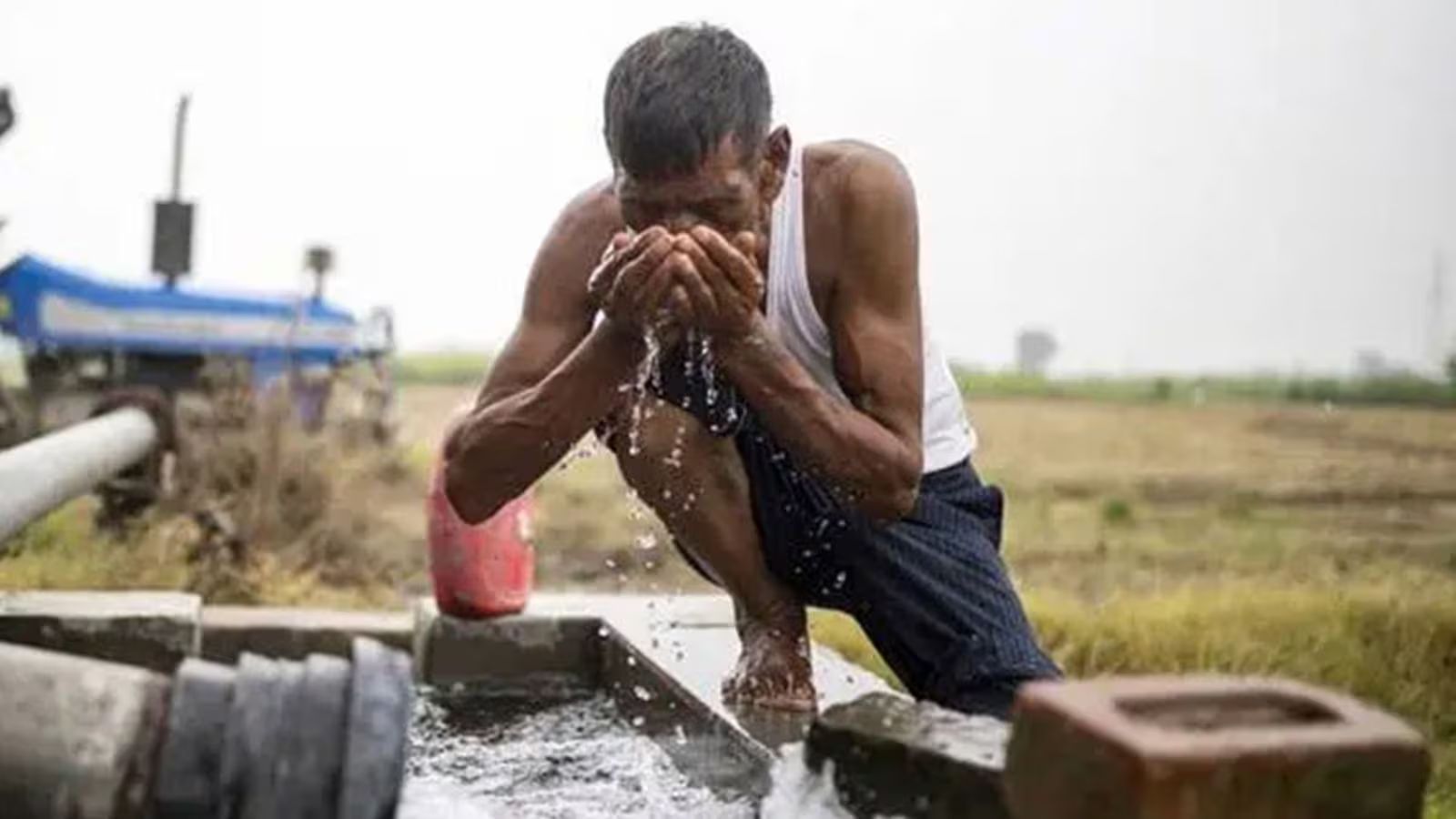
In a significant move to strengthen rural water resilience, the Central Government has instructed states to utilize VB-G RAM G funds for drinking water source sustainability works under the Jal Jeevan Mission (JJM) 2.0. This directive aims to create a seamless convergence between existing schemes to ensure long-term water security.
The emphasis was laid by two high-ranking Central Secretaries—Ashok K.K. Meena (Secretary, Department of Drinking Water and Sanitation) and Rohit Kansal (Secretary, Department of Rural Development)—in a joint communication to state authorities. The move follows the implementation of the Viksit Bharat – Guarantee for Rozgar and Ajeevika Mission (Gramin) (VB-G RAM G) Act, 2025, which replaced MGNREGA.
Strategic Convergence and Planning
The secretaries highlighted that water security is one of the four thematic focus areas under the new Act, recognizing its vital role in sustainable livelihoods, agricultural productivity, and climate resilience. The goal is to integrate drinking water sustainability and greywater management into the Viksit Gram Panchayat Plans (VGPPs).
The convergence of these schemes represents a paradigm shift from mere water supply to comprehensive water resource management.
BozokMedia analysis shows that by integrating these funds, the government aims to move away from fragmented implementation toward a holistic model guided by local resource assessment and water budgeting. This includes priority for rainwater harvesting, check dams, and watershed development, especially in water-stressed regions.
Digital Monitoring and Transparency
To ensure accountability, the government has mandated that all assets—including sanitation structures and water recharge systems—must be registered and geo-tagged on the Viksit Bharat National Rural Infrastructure Stack. This digital integration is designed to facilitate real-time monitoring and evidence-based decision-making at the national level.
Frequently Asked Questions
1. What is the primary goal of the JJM 2.0 convergence?
The goal is to ensure reliable rural drinking water services by focusing on source sustainability and groundwater recharge.
2. How will the government monitor these rural projects?
Projects will be monitored through geo-tagging on the Viksit Bharat National Rural Infrastructure Stack.