An analysis of Delhi's Special Intensive Revision (SIF) data shows that 17 of the 18 constituencies with the lowest turnout in the 2025 Assembly elections have digitisation rates below the city average, putting a large share of voters at risk of being omitted from the draft roll.
- 17 low‑turnout constituencies recorded digitisation below Delhi's 67% average.
- Approximately 33% of the electorate (47.58 lakh voters) are marked “uncollectible” and may be excluded.
- The final electoral roll will be published on November 4, offering a window for inclusion appeals.
Background
Delhi comprises 70 assembly constituencies. The Special Intensive Revision (SIR) of the electoral rolls, conducted ahead of the 2025 elections, reveals a striking pattern: out of the 18 seats with the lowest voter turnout, 17 exhibit digitisation rates lower than the citywide average of 67%.
Understanding Digitisation
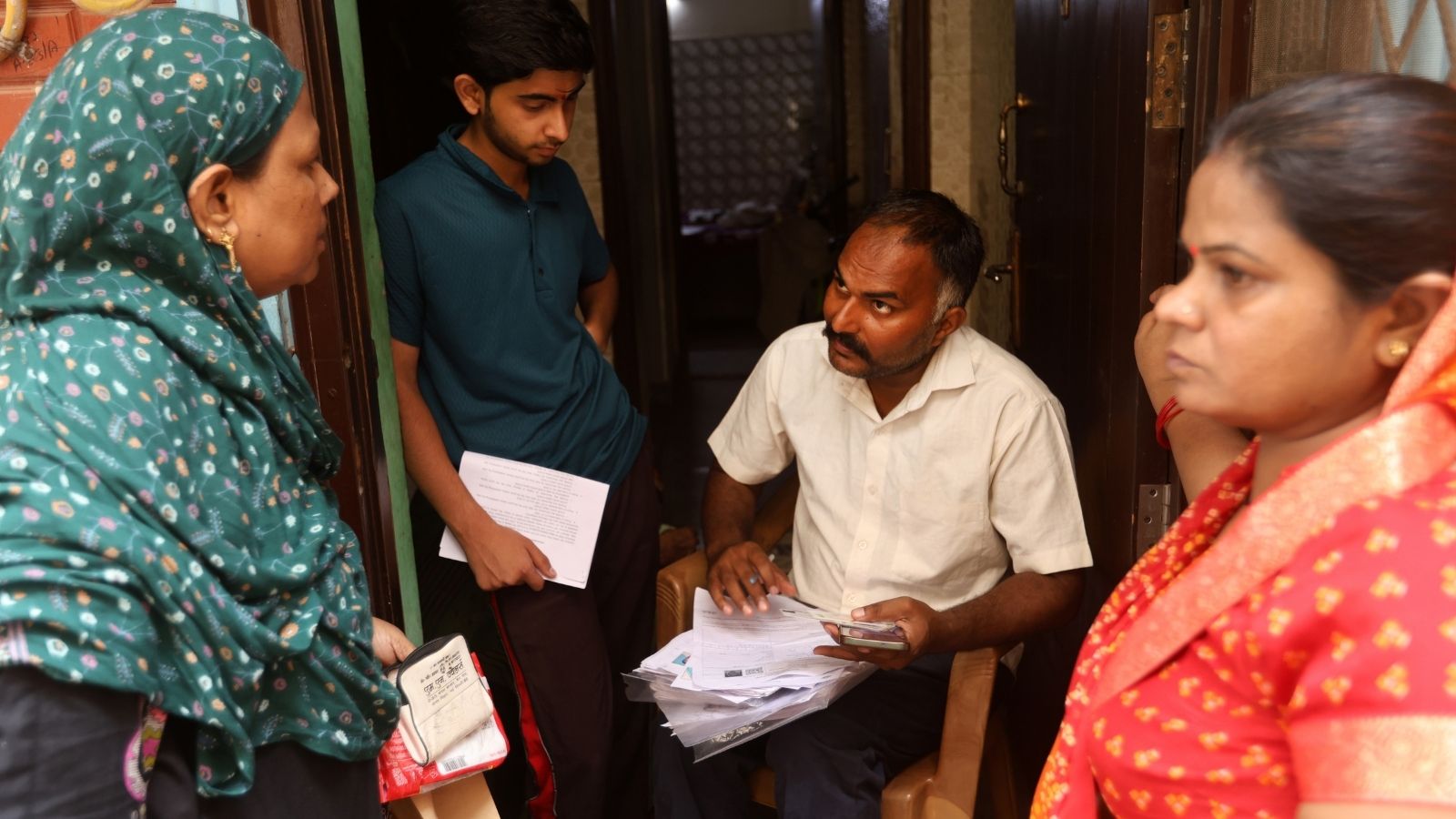
During the enumeration phase, Booth Level Officers (BLOs) collect enumeration forms from households and upload them to the Election Commission of India's portal. The digitisation rate measures the proportion of electors whose data has been successfully uploaded and is therefore likely to appear on the draft roll.
Low‑Turnout Constituencies at a Glance
Mehrauli recorded the lowest turnout at 53% with a digitisation rate of just 59%. Tughlaqabad, with a 56% turnout, lagged further behind at around 52%. Only Adarsh Nagar broke the trend, posting a 56% turnout but achieving nearly 70% digitisation.
Impact on Specific Demographics
The data does not show a uniform pattern for constituencies dominated by Purvanchali or Muslim voters. Among 15 Purvanchali‑strong seats, seven fall below the average while eight exceed it. Similarly, five of seven Muslim‑significant constituencies have digitisation above the city average.
Final Roll Timeline
The draft roll is slated for release on August 31, with the final roll to be published on November 4. During the enumeration phase, forms for roughly 9.75 million electors—about 67% of the 14.5 million originally on the rolls—were collected and uploaded.
Why This Matters
BozokMedia analysis shows that low digitisation in low‑turnout constituencies could disproportionately disenfranchise vulnerable voters, potentially skewing the political representation in Delhi’s upcoming assembly.
"Incomplete digitisation threatens electoral equity, especially in areas already suffering from low participation," says election scholar Dr. Anita Sharma.
Frequently Asked Questions
Q1: Can voters marked as “uncollectible” still be added to the final roll?
A: Yes, they can file appeals for inclusion before the final roll is published on November 4.
Q2: What are the main reasons behind low digitisation rates?
A: Common causes include migration, death, duplicate entries, and incomplete data collection during enumeration.