Following severe disruptions caused by recent heavy rains, the Delhi government has ordered PWD to inspect 139 critical waterlogging hotspots and submit a remedial report by Monday.
- PWD to conduct intensive inspections of 139 identified waterlogging hotspots across Delhi.
- A comprehensive report with immediate and long-term solutions is due by Monday.
- High-ranking officials, including Principal and Special Secretaries, will lead the inspections.
- New identification protocols for staff via branded gear to ensure accountability.
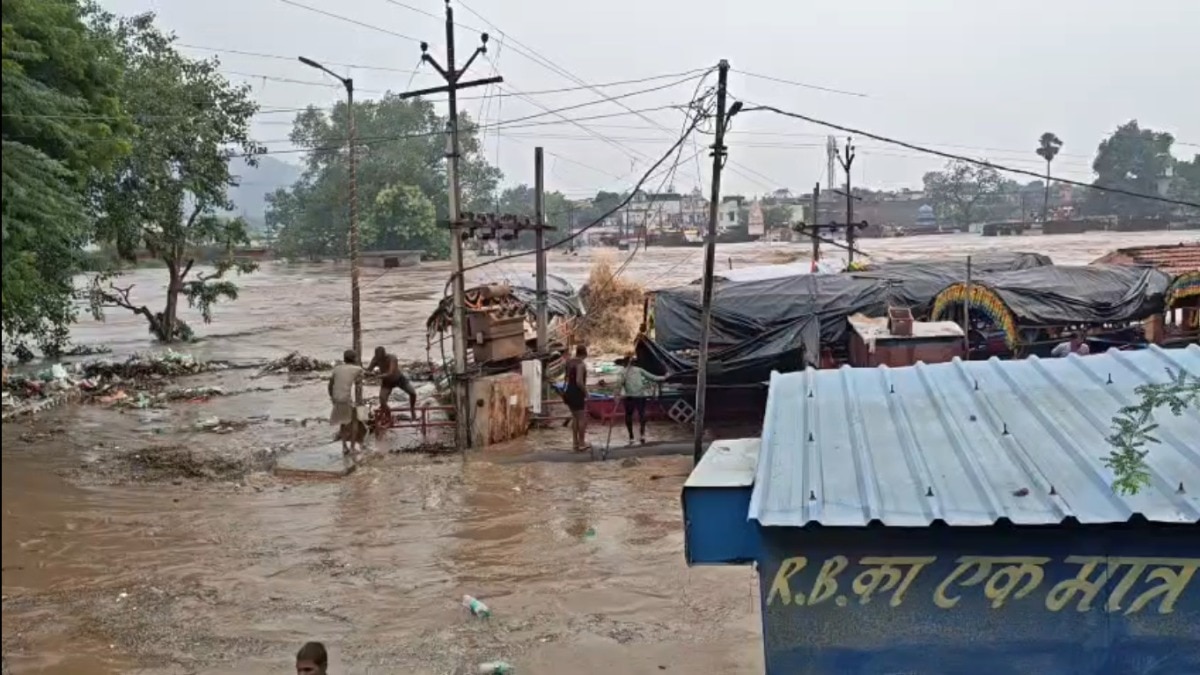
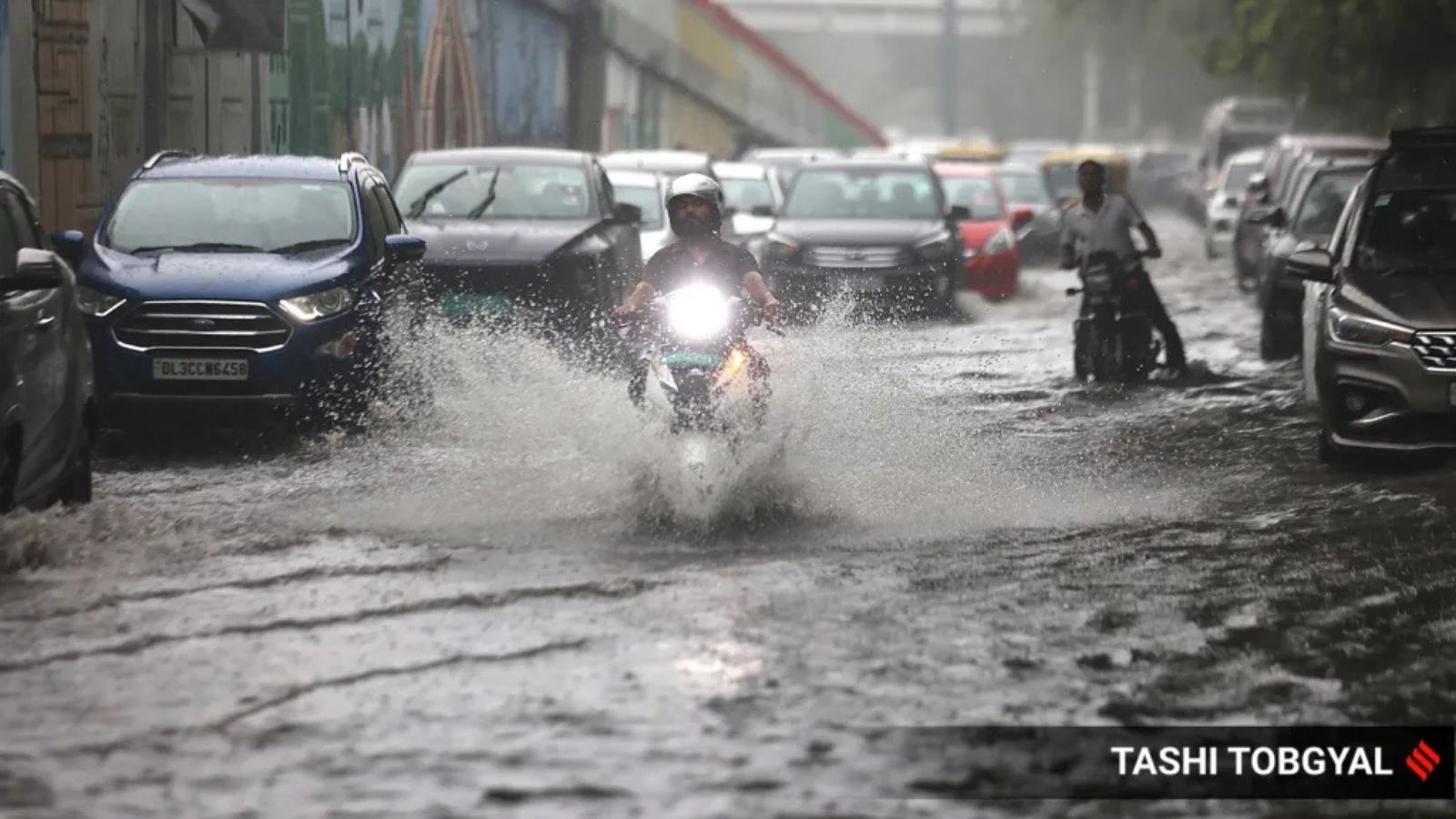
The recent torrential downpours on August 24 and 25 have once again highlighted the vulnerability of Delhi's urban infrastructure. Severe waterlogging led to massive traffic paralysis and even disrupted flight operations across the Delhi-NCR region. In response, the Delhi Government has directed the Public Works Department (PWD) to carry out an urgent, intensive inspection of 139 recently identified waterlogging hotspots.
The data reveals a growing crisis: Delhi Traffic Police had already flagged 113 locations prior to August 20, with an additional 26 locations identified during the heavy showers on August 24. This proactive stance follows directives from LG Taranjit Singh Sandhu, who demanded foolproof mitigation measures to prevent urban flooding.
Strategic Inspection Plan
The inspection is not merely a routine check but a high-level administrative audit. The PWD stated that the Principal Secretary will oversee critical stretches like the Mehrauli-Badarpur Road, while the Special Secretary will be responsible for inspecting MG Road, Old Delhi-Gurgaon Road, and the Mahipalpur Bypass. Chief Engineers have been tasked with managing recurrent issues in zones including Burari, North Zone (Palla, Prembari Underpass), and South Zone (Najafgarh-Kapashera Road).
Every recurring waterlogging point needs a clear assessment and a practical solution. Accountability, quick response, and continuous monitoring will remain our priority.
Why This Matters
BozokMedia analysis shows that the recurring nature of these floods suggests a systemic failure in drainage maintenance and silt management. Without a synchronized effort between the PWD, NDMC, and traffic authorities, the city remains at the mercy of every monsoon spell. The focus on identifying 'why' water accumulates—whether due to siltation, blockages, or encroachments—is crucial for long-term urban resilience.
PWD Minister Parvesh Sahib Singh emphasized that the administration will not wait for the next downpour to realize the extent of the damage. The upcoming report will categorize solutions into 'immediate monsoon measures' and 'long-term corrective actions' to ensure a sustainable approach to urban drainage.
Enforcing Accountability
In a unique move to tackle administrative laxity, the PWD is introducing branded identification for field staff. All pump house operators and engineers will be provided with jackets and raincoats bearing the PWD logo. This measure is designed to make personnel easily identifiable on-site, ensuring that responsibility can be fixed directly if pumping duties are neglected during emergencies.
Frequently Asked Questions
1. What areas are most at risk according to the PWD?
Key areas include Mehrauli-Badarpur Road, MG Road, Mahipalpur Bypass, and several stretches in North and South Delhi.
2. How is the PWD ensuring staff accountability?
By issuing PWD-branded raincoats and jackets to all on-duty pump operators and engineers to ensure they are identifiable during operations.