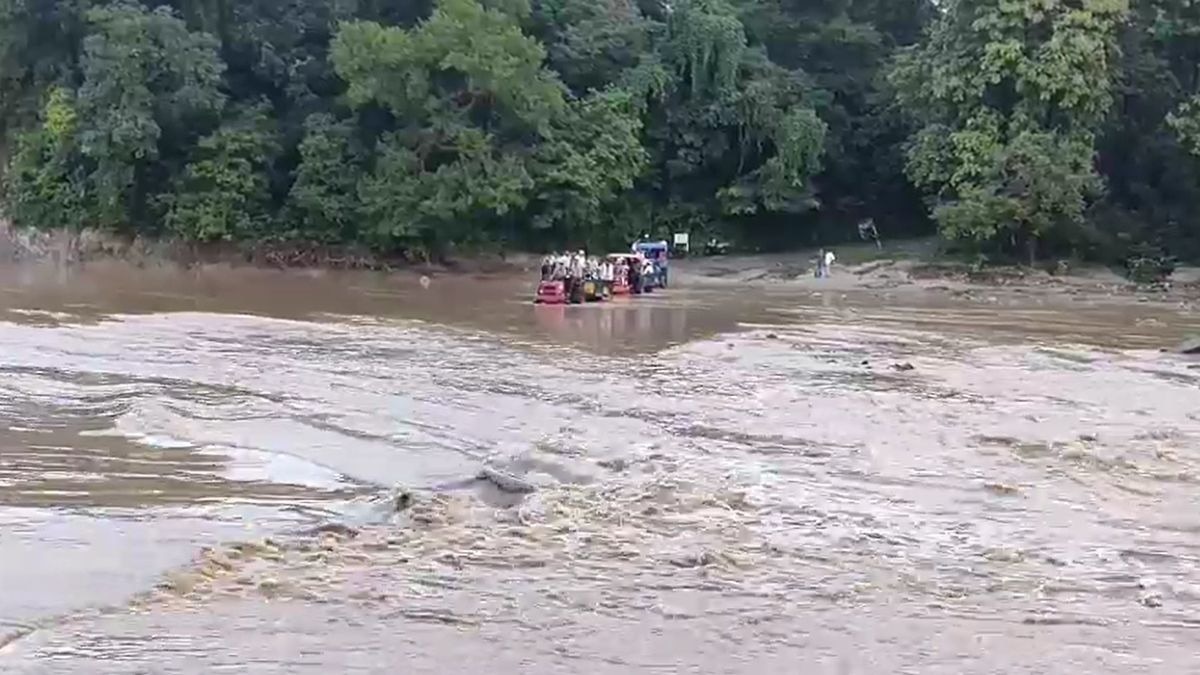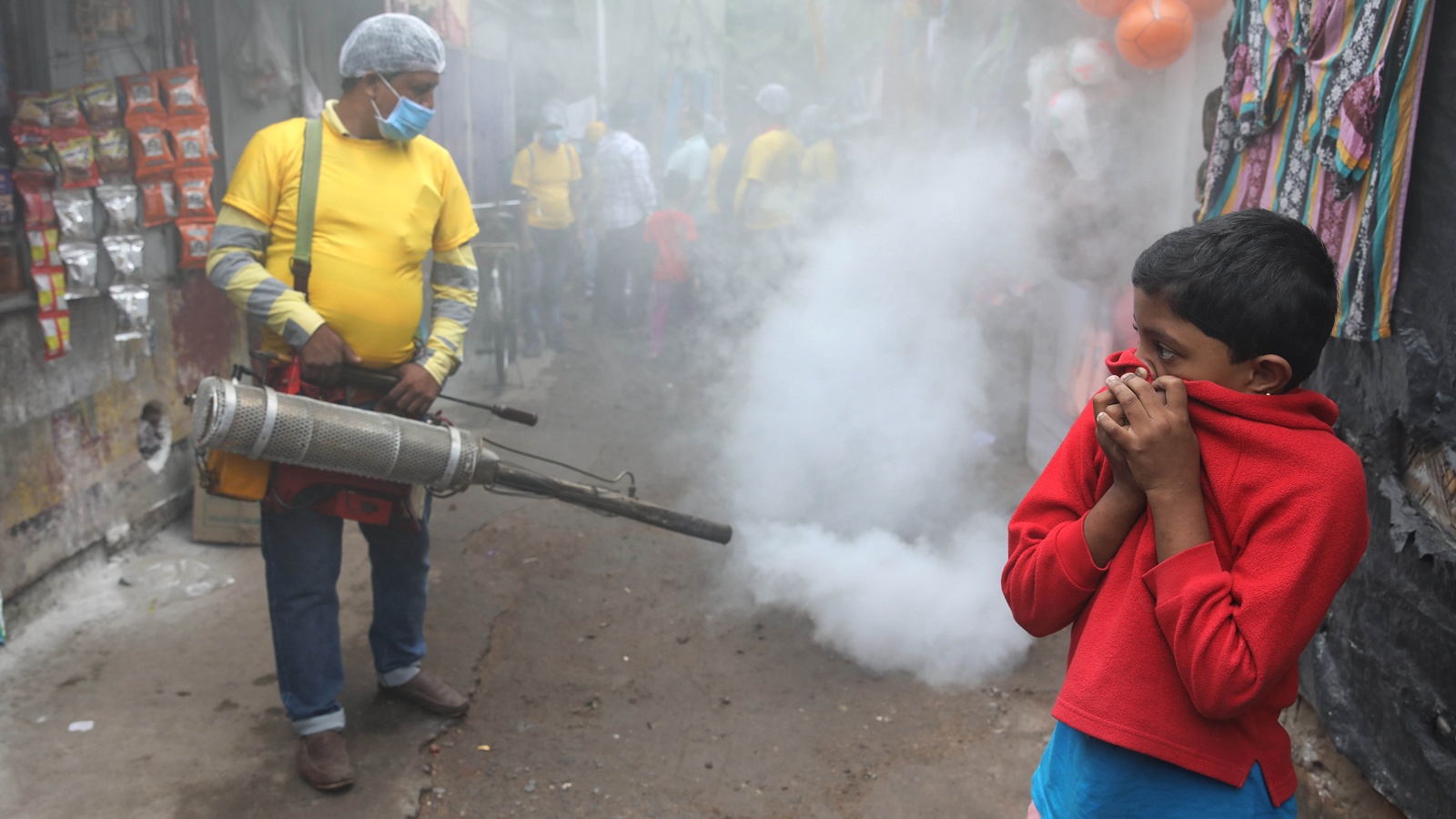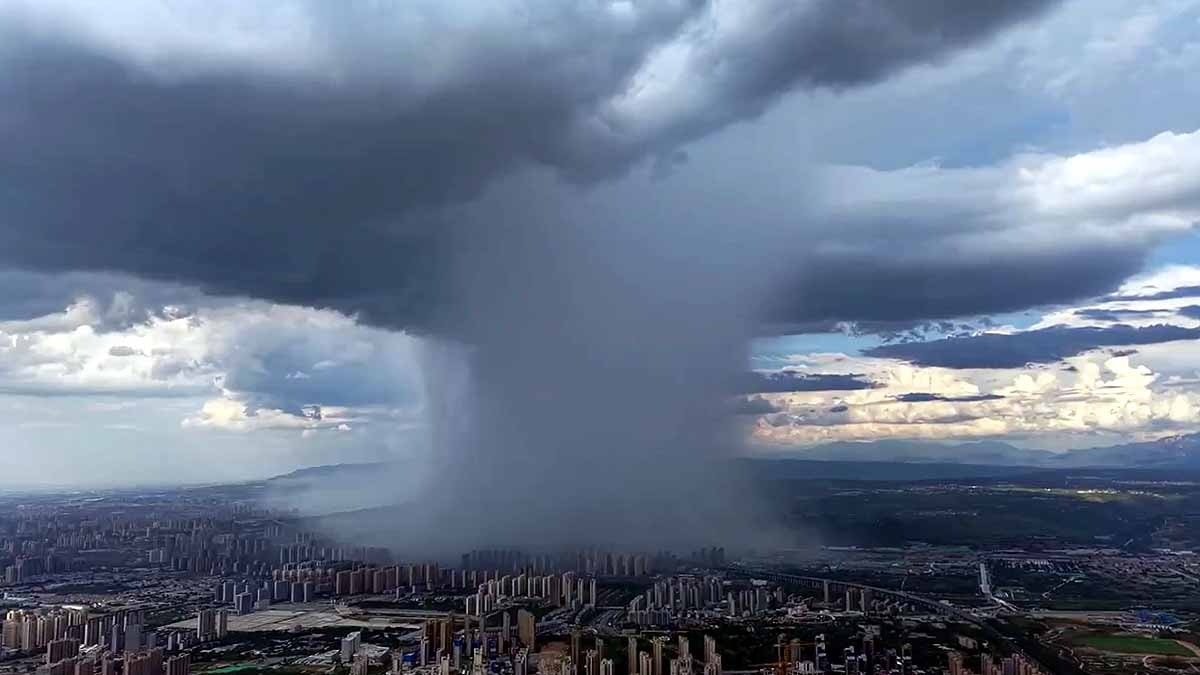
A sudden cloudburst in the Stakpa Sankoo area of Kargil has triggered intense flash floods, sending a torrent of mud and boulders through local streams. The incident highlights the growing vulnerability of the Himalayan region to extreme weather.
- Cloudburst reported in Kargil's Stakpa Sankoo region.
- Sudden surge of water, mud, and boulders in local streams.
- Heightened concerns regarding Himalayan weather volatility.
A sudden and violent cloudburst in the Stakpa Sankoo area of Kargil, Jammu & Kashmir, has triggered massive flash floods. The incident sent a devastating surge of water, thick mud, and massive boulders rushing through the local nallah (stream), turning the landscape into a zone of chaos.
The debris-laden floodwaters transformed the local stream into a fast-moving channel of destruction. While authorities are still working to ascertain the full extent of damage to homes, roads, and local infrastructure, the visual impact of the debris-filled torrent has raised significant alarms among the local population.
Why This Matters
BozokMedia analysis shows that the frequency of such extreme weather events in the Himalayan belt is on a worrying upward trajectory. As global temperatures rise, the atmosphere holds more moisture, leading to sudden, concentrated bursts of rainfall that the fragile mountain terrain cannot easily absorb.
The intensifying pattern of cloudbursts in high-altitude regions is a direct manifestation of the changing climatic equilibrium in the Himalayas.
This disaster in Kargil mirrors the recent catastrophic flash floods seen in Nepal, where intense rainfall and subsequent landslides caused widespread loss of life and property. Both incidents underscore the extreme vulnerability of mountain communities to rapid-onset hydrological disasters.
Historical Background
The Himalayan mountain range is geologically young and tectonically active, making it naturally prone to landslides. However, the shift from steady monsoon patterns to erratic, high-intensity 'cloudburst' events is a modern phenomenon linked to rapid climate change, complicating disaster management and rescue efforts in remote regions like Kargil.
Frequently Asked Questions
1. What caused the flood in Kargil?
The primary cause was a sudden cloudburst in the Stakpa Sankoo region, leading to a flash flood.
2. Is the situation under control?
Local authorities are monitoring the situation, though the extent of damage to infrastructure is still being assessed.