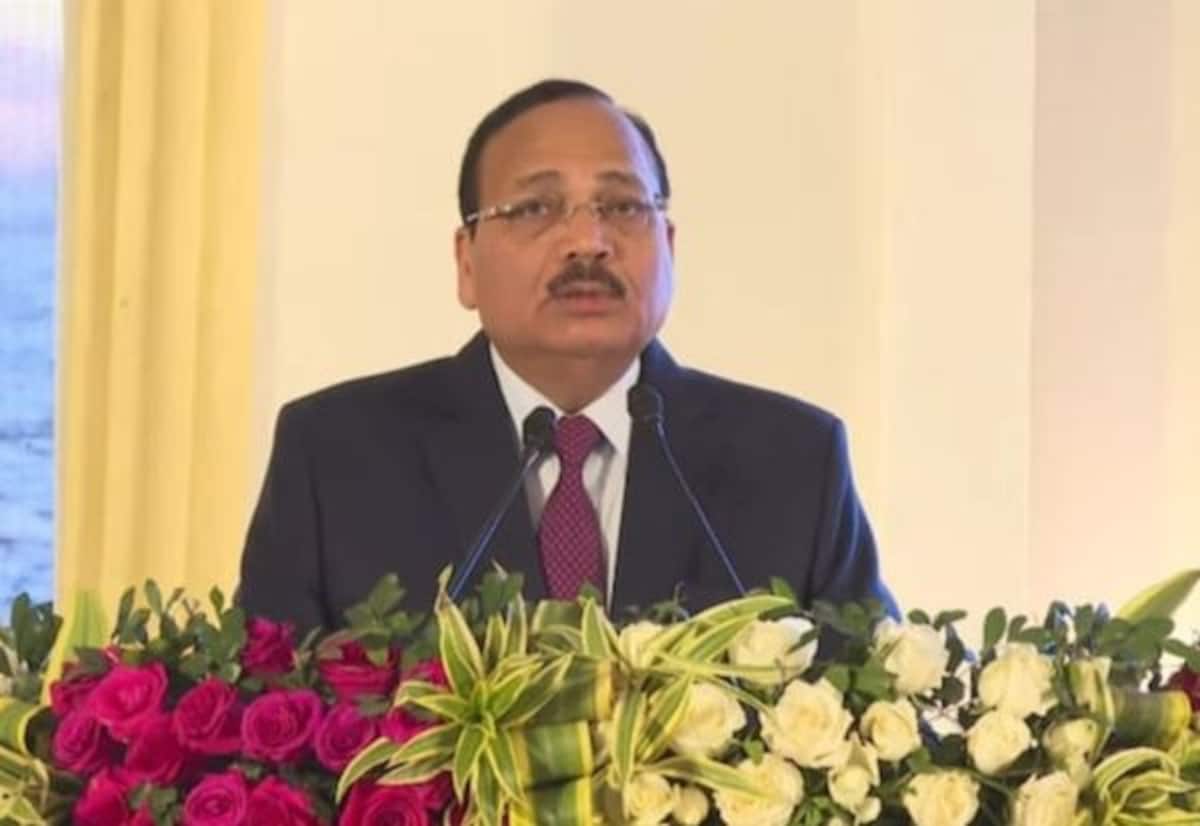
Addressing the Indian community in New York, RSS chief Mohan Bhagwat emphasized the importance of fulfilling duties to one's place of work (Karmabhoomi) before the land of birth (Janmabhoomi), while redefining India's global ambition as a 'Vishwaguru'.
- Priority should be given to the duties of 'Karmabhoomi' (land of action) over 'Janmabhoomi' (land of birth).
- India aims to be a 'Vishwaguru' (Global Teacher) rather than a 'Mahashakti' (Superpower).
- Emphasis on Hindu inclusivity, stating that excluding Muslims contradicts Hindu values.
In a high-profile address to the Indian diaspora in New York, Rashtriya Swayamsevak Sangh (RSS) chief Mohan Bhagwat delivered a nuanced message on patriotism and global citizenship. He urged Indians living abroad to fulfill their obligations to their 'Karmabhoomi'—the country where they currently reside and work—asserting that loyalty to one's current home is the truest way to honor one's 'Janmabhoomi' (birthplace).
A pivotal point of his speech was the distinction between being a superpower and a global guide. Bhagwat stated that India should strive to be a 'Vishwaguru' rather than a 'Mahashakti'. He explained that while a superpower often seeks dominance and hegemony, a Vishwaguru leads through wisdom, spiritual depth, and the promotion of universal peace and welfare.
Why This Matters
BozokMedia analysis shows that this rhetoric is a calculated move to reposition the RSS on the global stage. By distancing the organization from the image of aggressive nationalism and embracing the concept of a 'Global Teacher,' the RSS is attempting to align its ideology with India's diplomatic goals of 'Vasudhaiva Kutumbakam' (The World is One Family), thereby appealing to the professional and intellectual NRI class.
Addressing the sensitive issue of communal harmony, Bhagwat remarked that if Hindus believe Muslims have no place in society, they cease to be truly Hindu. This statement highlights a strategic emphasis on the inclusive nature of Sanatan Dharma, though it has sparked significant debate among political observers.
"The transition from the pursuit of power to the pursuit of wisdom marks a critical shift in India's strategic cultural narrative."
However, the remarks have not been without controversy. Opposition leaders, including Asaduddin Owaisi, have questioned the sincerity of these statements, claiming they are at odds with the RSS's historical stance and the current political climate in India. The clash between Bhagwat's inclusive rhetoric and the perceived exclusionary image of the RSS remains a point of intense friction.
Frequently Asked Questions
1. What did Mohan Bhagwat mean by 'Karmabhoomi' vs 'Janmabhoomi'?
He suggested that by being exemplary citizens in the countries they have migrated to (Karmabhoomi), Indians enhance the reputation of their native land (Janmabhoomi).
2. Why does the RSS prefer 'Vishwaguru' over 'Mahashakti'?
Because 'Mahashakti' implies dominance, whereas 'Vishwaguru' implies leading the world through knowledge, ethics, and peace.