After canceling the Parandur airport project, Chief Minister Vijay now faces a critical decision regarding the shuttered Sterlite Copper plant in Thoothukudi. The move pits economic revival and national copper security against a legacy of environmental trauma and public distrust.
- Chief Minister Vijay faces a complex political test regarding the reopening of the Sterlite Copper plant in Thoothukudi.
- The plant was shut down in 2018 following violent protests and police action that left 13 dead.
- Sterlite previously accounted for nearly 40% of India's refined copper production, making it a strategic asset.
- A divide exists between former employees seeking livelihoods and residents fearing environmental degradation.
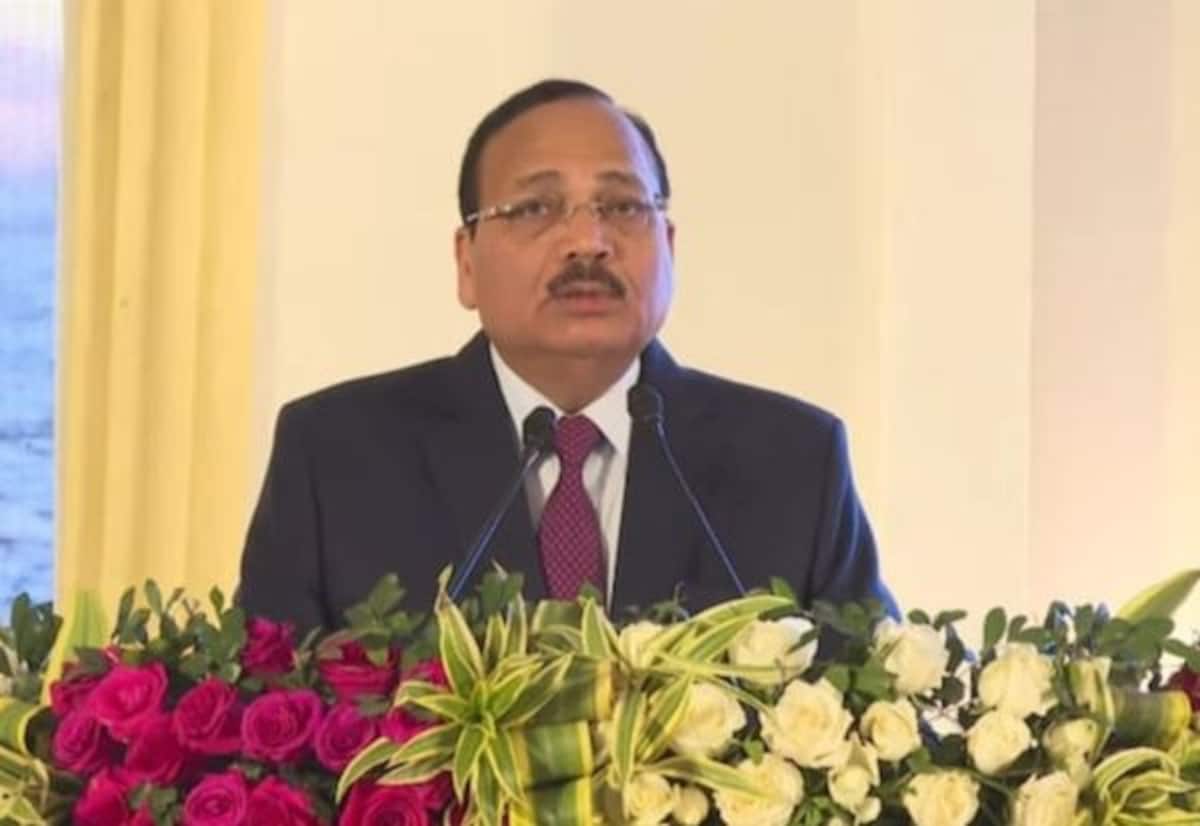
When Chief Minister Vijay assumed office at Fort St George, he inherited a state grappling with the definition of 'development.' His recent decision to abandon the proposed airport site at Parandur in favor of protesting farmers signaled a populist and empathetic approach to governance. However, the challenge awaiting him at the sealed gates of the Sterlite Copper plant in Thoothukudi is far more intricate, involving a volatile mix of industrial strategy, human rights, and ecological survival.
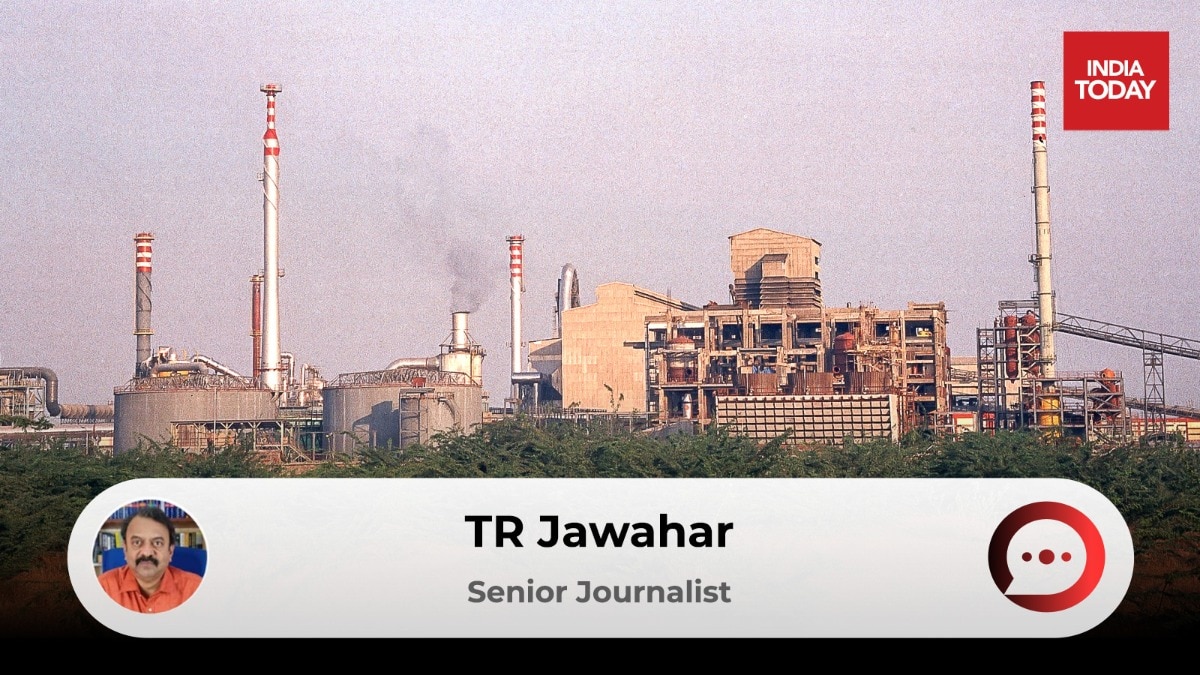
The Sterlite facility has been dormant for eight years, but the discourse surrounding it has never ceased. While the ghosts of May 2018—marked by pollution complaints and a tragic police firing—still haunt the region, a new chorus of voices has emerged. Former workers, logistics providers, and ancillary business owners are now urging the government to reconsider the closure, arguing that a permanent shutdown is a failure of policy rather than a solution to pollution.
Why This Matters
BozokMedia analysis shows that the Sterlite case is not merely a local dispute but a national strategic concern. Copper is a critical metal for the global energy transition and electronics industry. For India, relying heavily on imports while a massive refining capacity sits idle in Tamil Nadu is an economic paradox. The tension here is between National Strategic Interest and Local Democratic Consent.
Historically, the plant was an economic juggernaut. Commencing production in 1997, it evolved into one of India's largest integrated copper complexes, with an annual smelting capacity of 400,000 tonnes. It didn't just produce metal; it created an entire economic ecosystem in the SIPCOT industrial zone, supporting thousands of indirect jobs in transport and services.
"The Sterlite crisis proves that industrial technology can be upgraded overnight, but public trust, once shattered by violence and pollution, takes generations to rebuild."
However, the plant's history is marred by regulatory failures. In 2013, the Supreme Court imposed a ₹100 crore fine for environmental damages caused between 1997 and 2012. Despite the company's claims of using world-class 'green' technology and zero liquid discharge systems, the lived experience of the residents of Thoothukudi tells a story of sulfur dioxide leaks and groundwater contamination.
| Perspective | Arguments for Reopening | Arguments for Permanent Closure |
|---|---|---|
| Economic | Restoration of thousands of jobs and ancillary business growth. | Long-term health costs outweigh short-term economic gains. |
| Strategic | Reduction in copper imports; strengthening India's metal security. | Need for sustainable, decentralized industrialization. |
| Environmental | Implementation of new 'Green Copper' frameworks. | Irreversible damage to local soil and water tables. |
The current administration is now caught between two memories: the memory of the monthly wage and the memory of the toxic smoke. To reopen the plant would require more than just a technical audit; it would require a social contract that guarantees the safety of the people of Thoothukudi.
Frequently Asked Questions
1. Why was the Sterlite plant closed in 2018?
The plant was shut down following massive public protests against environmental pollution, which culminated in a police firing that resulted in 13 deaths.
2. How much of India's copper did Sterlite produce?
At its peak, Sterlite accounted for approximately 36% to 40% of India's total refined copper production capacity.