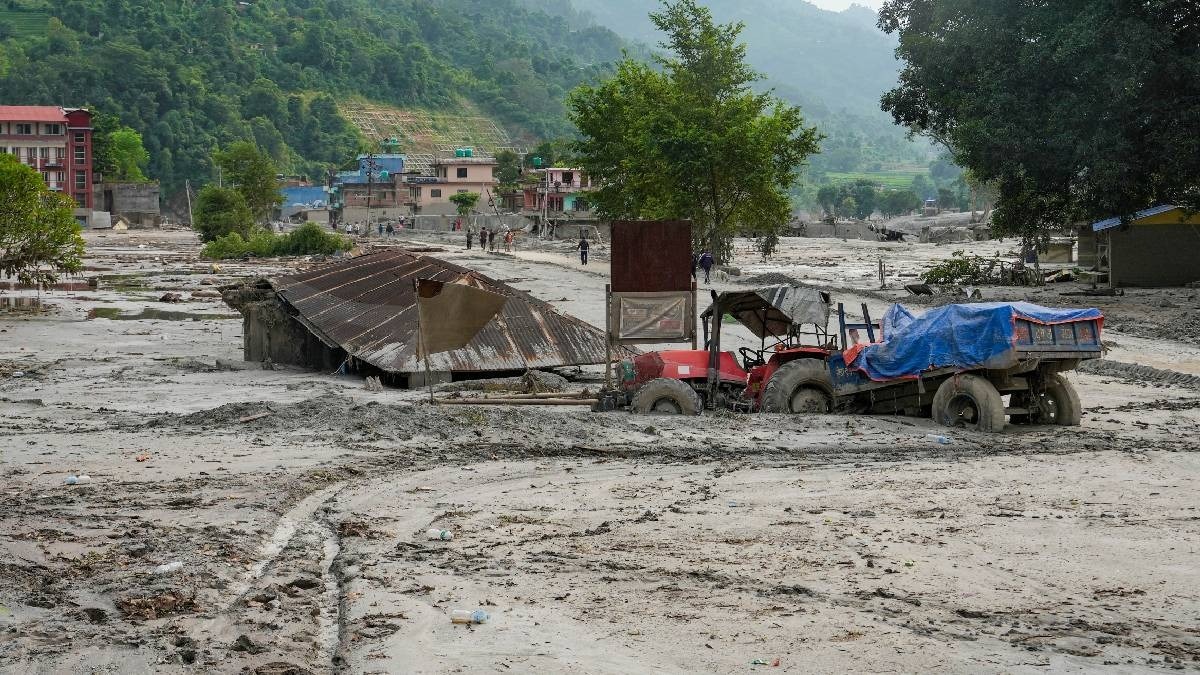
In a significant cross-border humanitarian effort, Uttar Pradesh authorities have returned four unidentified bodies swept from Nepal's flood-hit regions after completing critical DNA sampling and post-mortem procedures.
- Four bodies (three women, one man) recovered from the Narayani-Gandak river in Maharajganj, UP, returned to Nepal.
- DNA samples were collected during post-mortems to assist grieving families in identification.
- The handover was coordinated between the Maharajganj district administration and the Nawalparasi administration of Nepal.
In a coordinated effort between the governments of India and Nepal, four unidentified bodies recovered from the Narayani-Gandak river in Uttar Pradesh's Maharajganj district have been officially handed over to the Nepal administration. The victims, consisting of three women and one man, were swept across the international border by powerful currents following devastating floods in Nepal.
The bodies had been preserved at the Maharajganj district hospital mortuary while authorities worked to establish their identities. Due to the lack of immediate identification, medical officials conducted comprehensive post-mortem examinations and collected DNA samples. This genetic data is set to be shared with Nepalese authorities, allowing them to match the samples with missing persons reports filed by distraught families.
The logistics of the transfer were managed by Nichlaul Tehsildar Amit Singh, who confirmed that the bodies were transported via two ambulances and handed over to the Nawalparasi administration at the Maheshpur border near Thuthibari late Sunday night. Additional District Magistrate Prashant Kumar emphasized that all legal and administrative protocols were strictly followed before the transfer to the Nepal Police.
Why This Matters
BozokMedia analysis shows that this incident highlights the precarious nature of transboundary river systems during climate catastrophes. The Gandak river, acting as a conduit for both life and death, demonstrates how regional disasters necessitate seamless diplomatic and administrative synergy. The use of DNA sampling underscores a shift toward forensic-led disaster management in South Asia to provide closure to victims' families.
"Cross-border forensic cooperation is essential in flash flood scenarios where identity documents are often lost to the current."
The recovery operation began in late August when an SSB (Sashastra Seema Bal) rescue team spotted bodies floating downstream. On August 27, three bodies were initially retrieved, followed by another recovery on August 28. The district administration of Maharajganj had previously sounded a high alert, maintaining constant surveillance of water levels to prevent further casualties and manage the influx of debris and bodies from the neighboring country.
This tragedy unfolds against a grim backdrop in Nepal, where the flash flood death toll has surged to 903, with a staggering 4,247 people still reported missing. Rescue operations continue in hydropower project tunnels and landslide-affected zones across the region.
Frequently Asked Questions
Q1: How were the bodies identified?
The bodies remained unidentified; however, DNA samples were collected during post-mortems to be matched with families in Nepal.
Q2: Which border point was used for the handover?
The handover took place at the Maheshpur border near Thuthibari, involving the Nawalparasi administration.