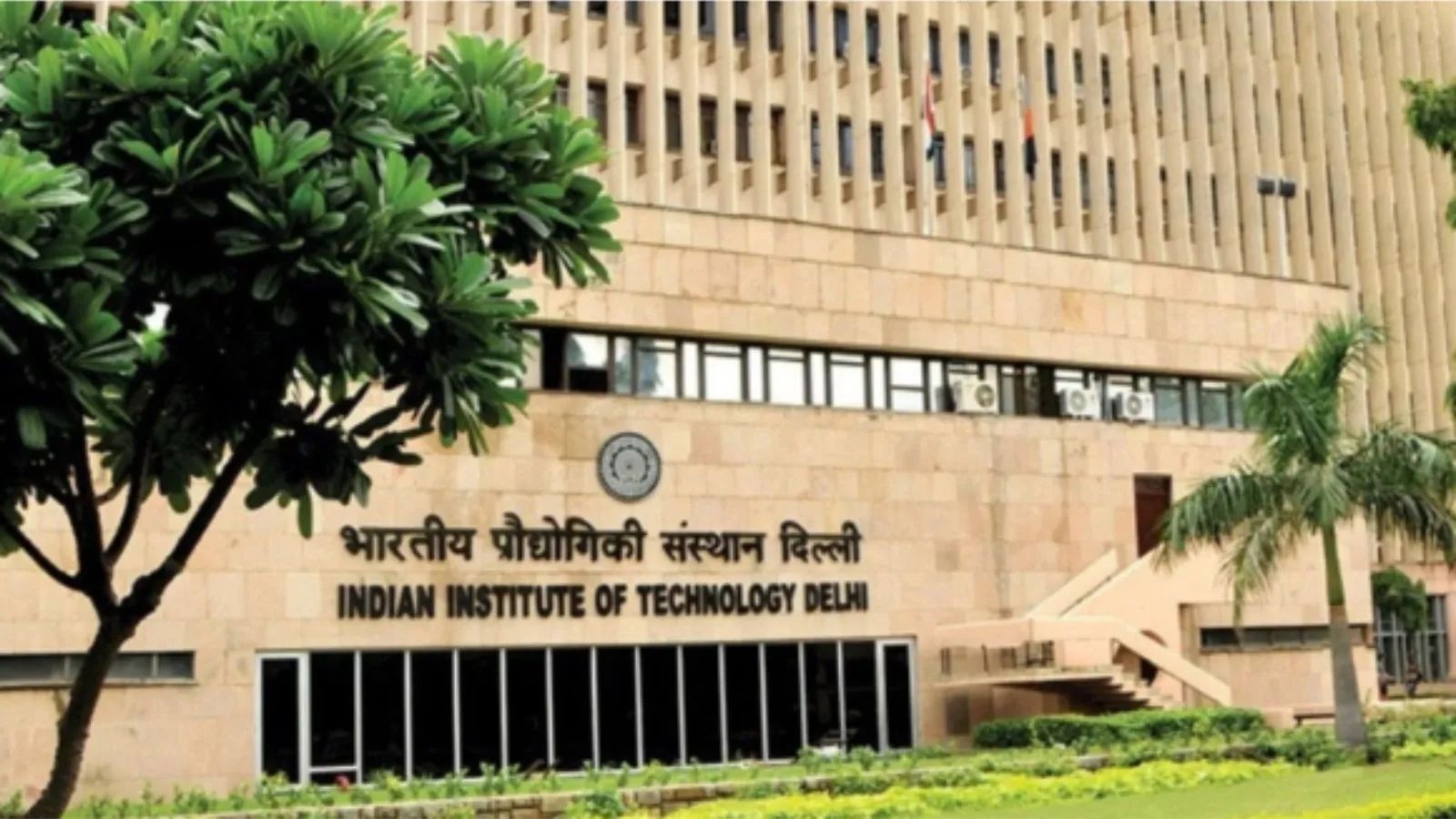
Students at IIT Delhi have suspended their week-long mobilization following the administration's agreement to an external inquiry into the death of Rishikesh Kumar and a poignant proposal for mental-health housing.
- Protests paused after administration agreed to an external inquiry committee.
- Victim's mother declined ₹1 crore compensation, requesting mental-health residential facilities instead.
- IIT Delhi Director Rangan Banerjee agreed to evaluate the proposal for specialized student housing.
- Controversy remains over allegations of administrative humiliation and police surveillance on campus.
Students at the Indian Institute of Technology (IIT) Delhi have announced a strategic pause in their on-ground protests that began on August 22. The mobilization was sparked by the tragic suicide of 31-year-old MSc Physics student Rishikesh Kumar. The decision to halt the agitation comes as the administration showed willingness to meet critical demands, most notably the formation of an external inquiry committee to investigate the circumstances leading to the student's death.
A pivotal turn in the narrative occurred when the victim's mother, Asha Poddar, rejected a potential financial settlement. While students had initially demanded a compensation of ₹1 crore, Mrs. Poddar declined monetary aid. Instead, she urged the institute to establish dedicated residential facilities for students struggling with mental health issues, ensuring that no student is ever evicted or denied housing due to their psychiatric condition.
Why This Matters
BozokMedia analysis shows that this case exposes a systemic gap in India's premier educational institutions regarding holistic student welfare. While IITs are global leaders in academic excellence, the fact that less than 50% of IIT Delhi students have hostel access—and virtually none have specialized mental-health housing—highlights a critical infrastructure failure. This shift from monetary compensation to institutional reform marks a significant precedent in student activism.
The transition from demanding financial reparations to requesting structural mental-health support reflects a growing maturity in student movements, prioritizing systemic change over individual settlements.
The tension between the student body and the administration has been palpable. Director Rangan Banerjee had previously warned students of disciplinary action, alleging that protesters used 'threatening language' near faculty housing. Conversely, students have denied these claims, asserting that they maintained strict boundaries to protect the privacy of female students and only sought institutional accountability.
Furthermore, the protests highlighted concerns over campus security and surveillance. Students alleged that Delhi Police personnel entered the campus in civilian clothes without authorization and claimed that security personnel mishandled female protesters. These allegations add a layer of complexity to the administrative failures being probed.
The agreed-upon external inquiry committee will be a landmark move. The chairperson and student members will be nominated by the protesters, ensuring a level of transparency and neutrality. The committee is expected to examine the role of senior officials and the alleged humiliation of Rishikesh Kumar by the institute's Dean, who reportedly told the student there was no provision for 'such children' to stay in the hostel.
Comparison of Demands vs. Outcomes
| Initial Student Demand | Administration Response / Outcome |
|---|---|
| ₹1 Crore Compensation for Family | Declined by Mother; requested mental-health housing instead. |
| External Inquiry Committee | Accepted; Chairperson/Students to be nominated by protesters. |
| Resignation of Senior Officials | New appointments made; roles to be reviewed by inquiry committee. |
| Mental Health Support Protocols | Administration agreed to public disclosure of protocols. |
Frequently Asked Questions
Q1: Why did the protests at IIT Delhi stop?
The protests were paused because the administration agreed to an external inquiry into Rishikesh Kumar's death and the Director agreed to consider the proposal for mental-health housing.
Q2: What was the specific demand made by the victim's mother?
Instead of financial compensation, Asha Poddar requested the creation of residential facilities specifically for students navigating mental-health issues to prevent future exclusions.