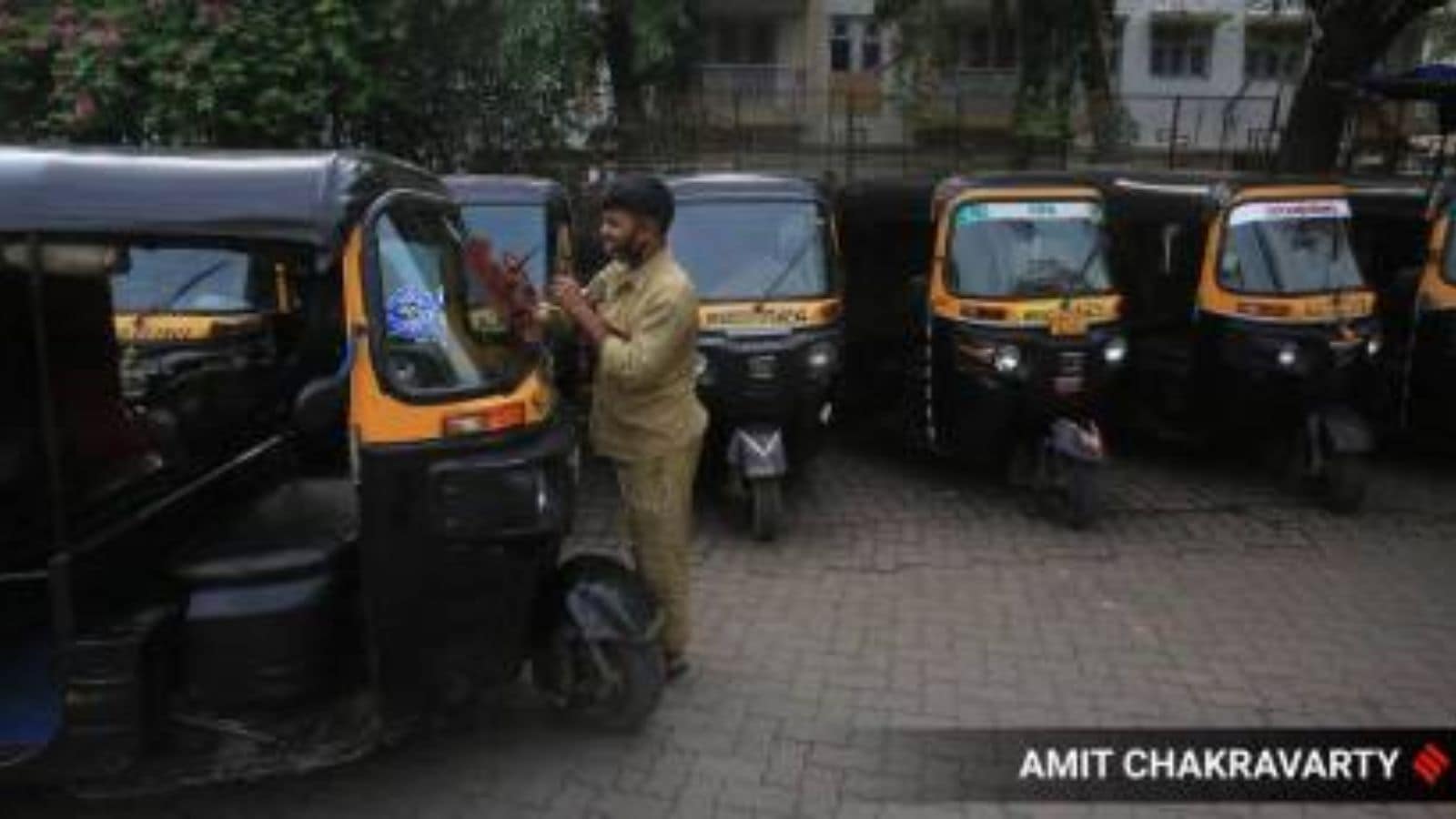
Transport costs in the Mumbai Metropolitan Region (MMR) are set to rise from September 1. The Maharashtra Transport Department has issued revised tariff cards for both auto-rickshaws and taxis.
- Minimum fare for 1.5km: ₹27 for autos and ₹33 for taxis.
- 25% surcharge applicable for journeys between midnight and 5 AM.
- Drivers have until November 30 to recalibrate electronic meters.
Commuters across the Mumbai Metropolitan Region (MMR) are facing a hike in daily travel costs as the Maharashtra Transport Department implements revised tariff cards starting September 1. The move comes after prolonged demands from transport unions citing unsustainable operational costs.
Under the new pricing structure, the minimum fare for a 1.5-km journey will be ₹27 for auto-rickshaws and ₹33 for taxis. Following the base distance, auto-rickshaws will charge ₹18.22 per kilometer, while taxis will charge ₹21.90 per kilometer, both rounded to the nearest rupee.
Detailed Fare Breakdown
The revised cards introduce a significant premium for late-night travel. Journeys undertaken between 12:00 AM and 5:00 AM will attract a 25% additional fare hike. Furthermore, AC taxis will command a 10% premium over the standard 'kaali-peeli' taxis. Waiting charges are set at ₹1-2 per minute or 10% of the per-kilometer fare, depending on the distance.
| Vehicle Type | Min Fare (1.5 km) | Subsequent Fare/km |
|---|---|---|
| Auto-Rickshaw | ₹27 | ₹18.22 |
| Taxi (Kaali-Peeli) | ₹33 | ₹21.90 |
Why This Matters
BozokMedia analysis shows that this adjustment is a direct response to the volatility of fuel prices. Specifically, the increase in CNG prices by Mahanagar Gas Limited (MGL) to ₹86 per kg in May created a financial squeeze for drivers. This fare revision is an attempt to maintain the viability of public transport while balancing the cost of living for the working class.
The synchronization of fare hikes with fuel inflation is critical to prevent erratic pricing and illegal overcharging by drivers during transition periods.
Historical Background and Compliance
The current revisions are not arbitrary but follow a formula established by the 2017 BC Khatua Committee report. This scientific approach considers the Consumer Price Index (CPI), vehicle replacement costs, and fuel inflation to ensure fair pricing for both the service provider and the consumer.
The Mumbai Metropolitan Region Transport Authority (MMRTA), led by Additional Chief Secretary Sanjay Sethi, approved a base fare increase of ₹1 for autos and ₹2 for taxis. To ensure a smooth transition, the government has provided a window until November 30 for the recalibration of electronic meters. Failure to comply by this deadline will result in daily departmental penalties.
Frequently Asked Questions
1. Which areas are covered under this fare hike?
The hike applies to the entire MMR, including Mumbai, Navi Mumbai, Thane, Kalyan, and Mira-Bhayander.
2. What happens if a driver does not update their meter by November 30?
Drivers who fail to recalibrate their meters by the deadline will face per-day departmental penalties.


