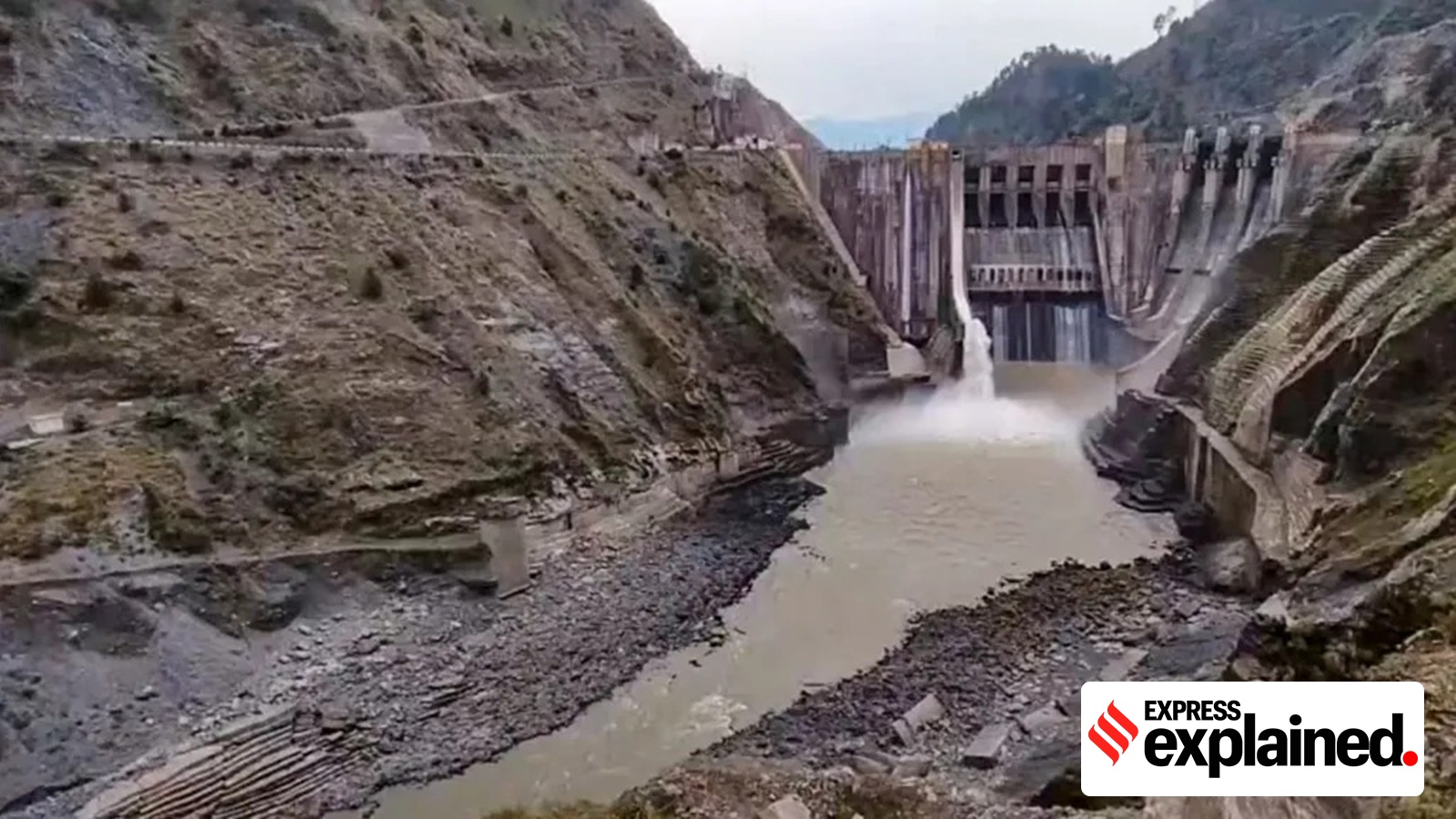
Following catastrophic flash floods in northern Nepal, rescue teams are struggling to reach hundreds of workers trapped in hydropower tunnels. A combination of mud, debris, and collapsed infrastructure has created a race against time.
- Death toll reaches 903 with 4,247 still missing, including 933 hydropower workers.
- Rescue operations are spanning 11 different hydropower projects along the Trishuli river.
- Tunnels exceeding 4km in length and filled with sludge are hindering access.
- Technical assistance is being provided by India and China to aid the Nepal Army.
The devastating flash floods and landslides that struck northern Nepal last week have left the nation in mourning. According to the National Disaster Risk Reduction and Management Authority, the scale of the disaster is immense, with 903 confirmed deaths and over 4,000 people missing. A significant portion of the missing—933 hydropower workers and 592 foreign nationals—are feared trapped within the subterranean labyrinths of hydropower projects.
The Battle Against Mud and Debris
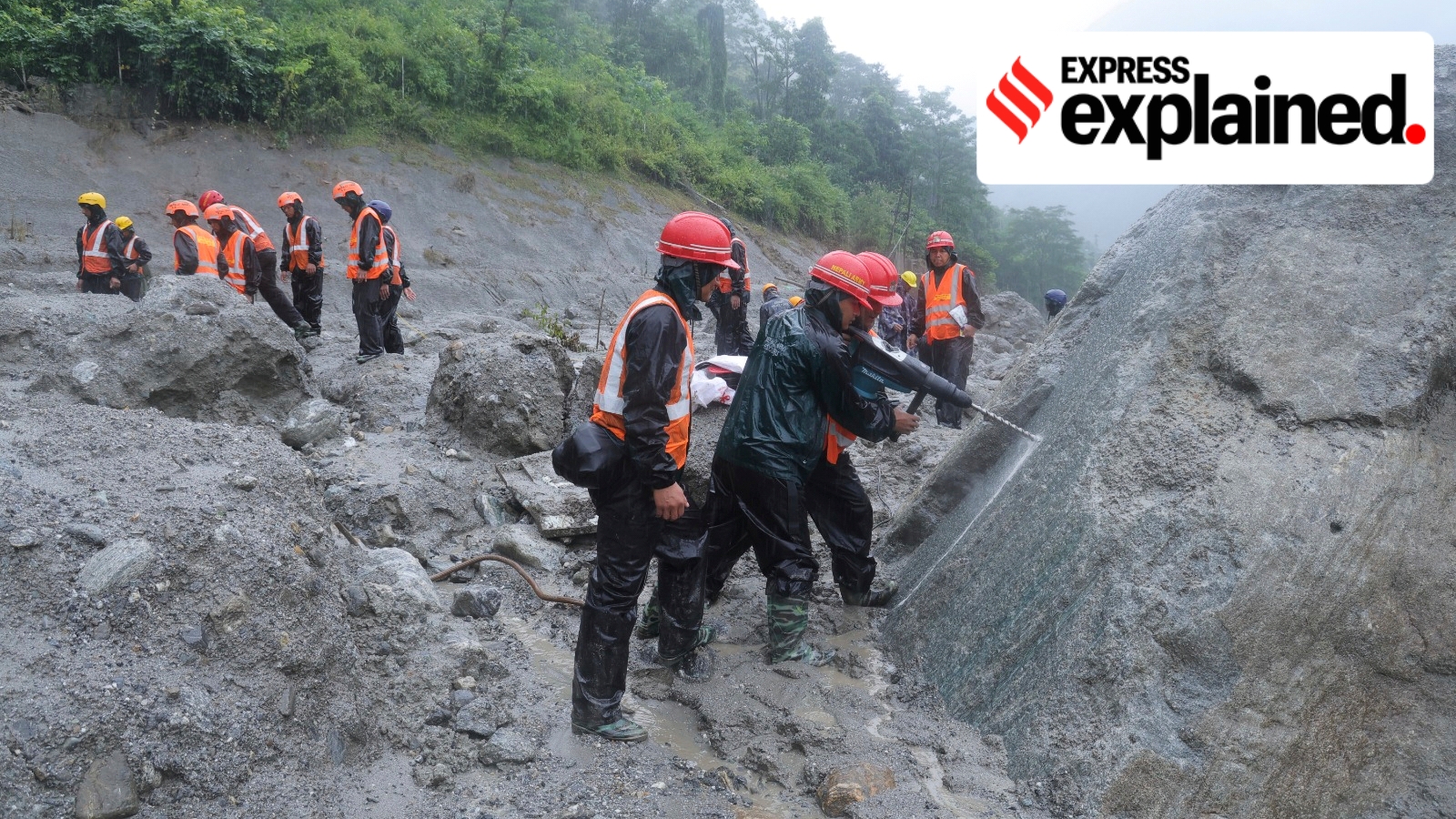
Rescuing workers from hydropower tunnels is an engineering nightmare. At sites like the Trishuli 3A plant, rescue crews are not merely digging but are forced to bore through reinforced concrete walls and use explosives to create breaches. However, once a breach is made, the tunnels are often found to be filled with thick, suffocating sludge brought in by the floodwaters. A Nepal Army spokesperson revealed that they have only managed to penetrate about seven yards into one tunnel due to the density of the debris.
"It remains unclear how much of the tunnel is filled with mud or water; a failure in emergency shutdown systems could lead to the turbine room flooding, potentially drowning anyone still alive inside." - Arnold Dix, Geologist.
Why This Matters
BozokMedia analysis shows that the rush to harness Himalayan energy potential has often bypassed stringent geological risk assessments. When these deep-bore tunnels fail during a climate catastrophe, they transform from infrastructure assets into death traps, where the lack of ventilation and multiple exit points makes survival nearly impossible without immediate, high-tech intervention.
Infrastructure Collapse and Weather Obstacles
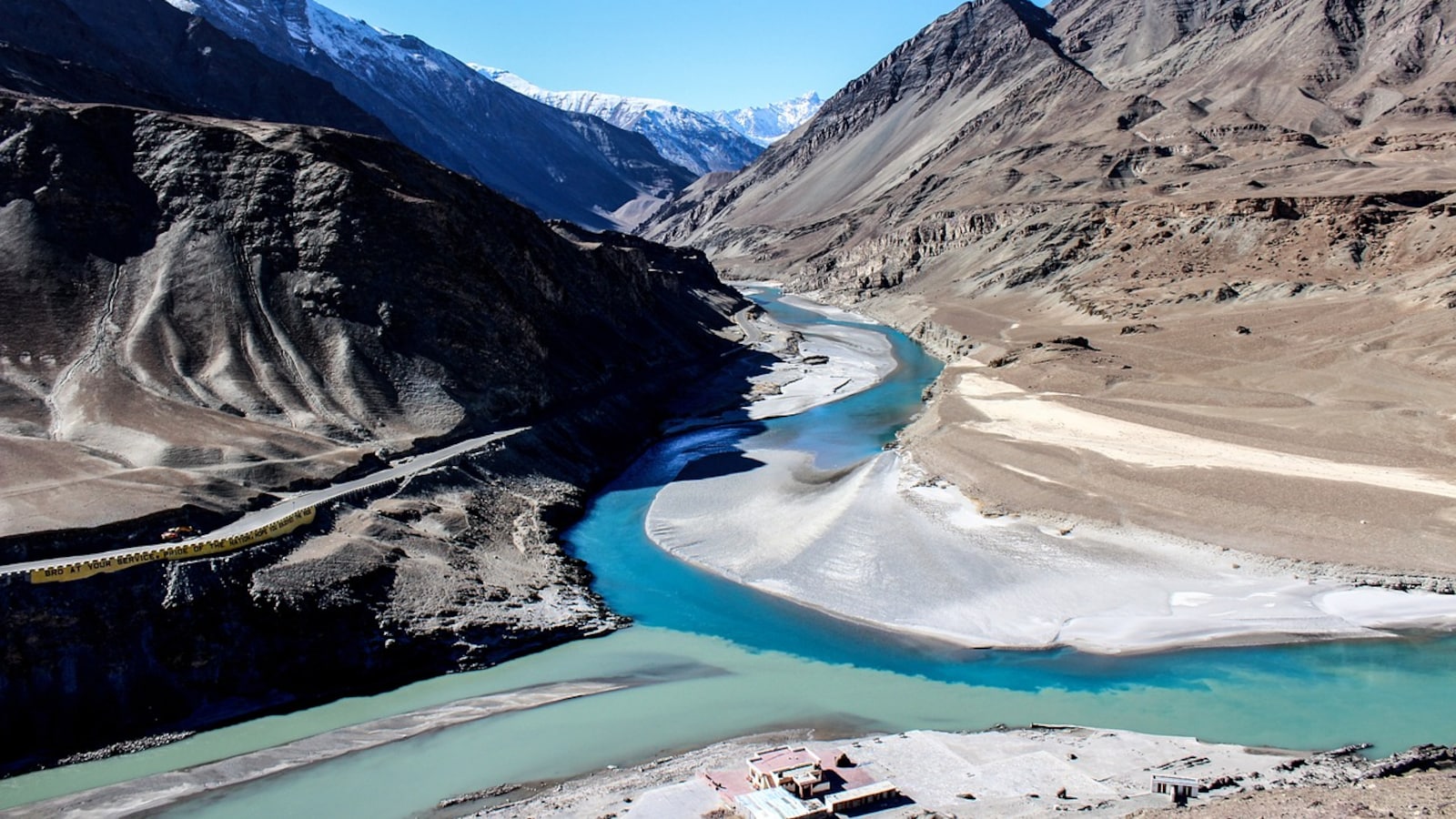
The geography of the Trishuli river valley has further complicated the mission. With tunnels extending over 4 kilometers, workers may be trapped far beyond the reach of initial breach points. The situation is exacerbated by relentless overnight rain, which not only raises river levels but also triggers secondary landslides that wipe out the few remaining access roads and bridges.
Aerial support, critical for remote Himalayan terrain, has been severely hampered. While drones equipped with thermal cameras are being deployed to detect heat signatures of survivors, heavy cloud cover and rain often ground these operations. In some critical sectors, the only lifeline for those trapped is a small bore-hole through which the government is attempting to pump fresh air.
| Challenge Category | Impact on Rescue | Mitigation Strategy |
|---|---|---|
| Physical Obstruction | Sludge and Debris | Industrial Drilling & Explosives |
| Environmental | Rain & Landslides | Thermal Drones & Air-lifts |
| Logistical | Destroyed Bridges | International Technical Aid |
Frequently Asked Questions
Q1: How many foreign nationals are missing in the Nepal floods?
A: There are currently 592 foreign nationals reported missing.
Q2: Which countries are providing technical help to Nepal?
A: India and China are providing technical assistance to aid the rescue efforts.