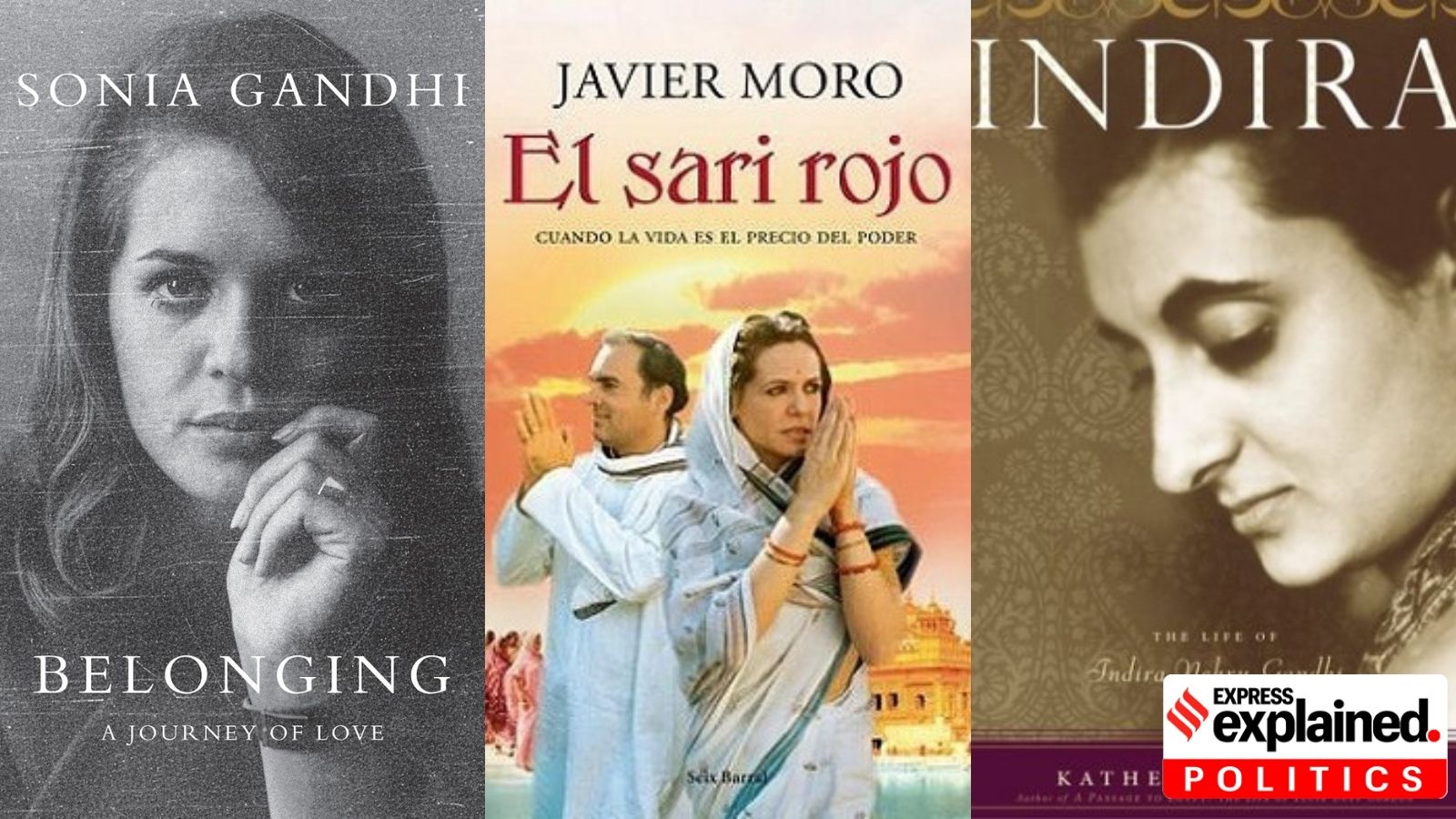
From legal wars over 'The Red Sari' to the sudden cancellation of her memoir 'Belonging', Sonia Gandhi's relationship with literature has been marked by intense political and legal friction.
- Penguin Random House India dropped Sonia Gandhi's memoir 'Belonging' due to editorial disagreements.
- The Congress party previously fought a legal battle to block the publication of 'The Red Sari' by Javier Moro.
- Family disputes erupted over Catherine Frank's biography of Indira Gandhi, involving Maneka Gandhi.
The recent decision by Penguin Random House India (PRHI) to scrap the publication of 'Belonging: A Journey of Love', the highly anticipated memoir of Congress leader Sonia Gandhi, has reignited discussions about the political sensitivity surrounding the leader's personal narrative. The fallout reportedly stemmed from a deadlock over "editorial changes and deletions" requested by the publisher, which the author refused to accept.
This is not an isolated incident. History shows a recurring pattern of conflict between the Congress leadership and authors attempting to chronicle Sonia Gandhi's life. One of the most prominent clashes was over 'The Red Sari', a dramatized account written by Spanish author Javier Moro. Originally published in Spain in 2008, the book sought to explore Gandhi's early life in Italy, but it met fierce resistance from the Congress party when an English translation was pursued.
The Congress party, through legal counsel Abhishek Singhvi, labeled the work "unauthorised, defamatory, and salacious." The dispute centered on the recreation of Gandhi's Italian roots and her internal struggles following the assassination of Rajiv Gandhi. Moro claimed that the party wanted to project a version of Gandhi that was "thoroughly Indianised," avoiding any narrative that suggested a longing for her homeland.
Why This Matters
BozokMedia analysis shows that these literary disputes are less about factual accuracy and more about the strategic management of a political legacy. In the high-stakes arena of Indian politics, the narrative of "belonging" and "identity" is a potent weapon. By controlling the biography of its top leadership, the Congress party has historically sought to insulate Sonia Gandhi from accusations regarding her foreign origins.
The tension between journalistic freedom and the privacy of political figures often peaks when the narrative challenges the carefully curated public image of a dynasty.
The friction extended beyond Sonia Gandhi herself to other family members. In 2001, a political storm erupted over Catherine Frank's biography, 'Indira: The Life of Indira Gandhi'. Maneka Gandhi won a libel suit against the author and publisher HarperCollins, but the victory sparked a public feud. Maneka accused Sonia Gandhi of providing inputs to the author to tarnish the image of Sanjay Gandhi and other family members.
The Congress party, then in opposition, dismissed these claims as the grievances of a "junior minister" who had abandoned the family for power. This episode highlighted the deep internal fractures within the Nehru-Gandhi family, where books became proxies for ideological and personal warfare.
| Book Title | Primary Conflict | Outcome |
|---|---|---|
| Belonging: A Journey of Love | Editorial disagreements with PRHI | Publication dropped |
| The Red Sari | Claims of defamation/unauthorised life story | Published in India in 2015 |
| Indira: The Life of Indira Gandhi | Libel suit by Maneka Gandhi | Partial deletion of text |
Frequently Asked Questions
Why did Penguin Random House drop Sonia Gandhi's book?
The publisher requested specific editorial changes and deletions in the manuscript, which Sonia Gandhi declined to implement.
What was the main objection to 'The Red Sari'?
The Congress party claimed the book was a distortion of facts and an unauthorized, salacious account of her life in Italy.