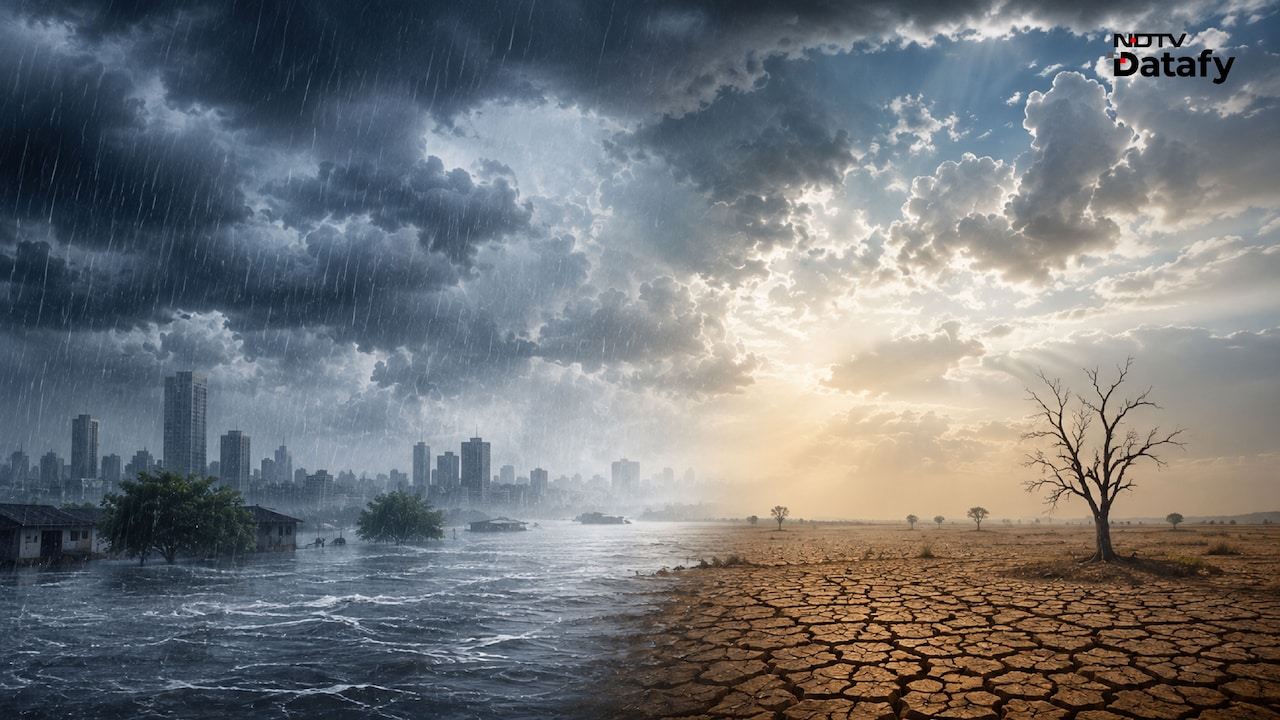
Despite sporadic heavy downpours causing urban flooding, India is facing a critical regional rainfall imbalance. Experts warn that this erratic pattern of extreme droughts and flash floods may persist through September.
- Severe disparity in rainfall distribution across different Indian states.
- Extreme weather shifts: prolonged dry spells followed by intense flooding.
- High probability of this erratic pattern continuing into September.
India's current monsoon season is characterized by a dangerous paradox. While some urban centers are grappling with severe waterlogging and flash floods due to concentrated bursts of heavy precipitation, vast agricultural heartlands are suffering from critical rainfall deficits. This uneven distribution creates a misleading national average that hides the desperation of rain-starved regions.
The Pattern of Extremes
Meteorological data indicates a shift in traditional monsoon behavior. Instead of steady, distributed rain, the country is experiencing 'rain-bombs'—intense spells of precipitation over short durations. These events are often preceded by long periods of absolute dryness, leaving the soil parched and unable to absorb water, which further exacerbates the risk of surface runoff and flooding in cities.
Why This Matters
BozokMedia analysis shows that this volatility poses a systemic risk to India's food security. Agriculture remains heavily dependent on the southwest monsoon; when rain is concentrated in a few days rather than spread over weeks, the crop yield drops significantly regardless of the total volume of water received. This regional imbalance could lead to localized inflation in food prices.
The transition from extreme drought to flash flooding within a 48-hour window is a classic indicator of climate instability affecting the Indian subcontinent.
Historical Background
Historically, the Indian monsoon was more predictable, with gradual onset and withdrawal. However, over the last decade, the influence of El Niño and La Niña cycles, coupled with rising sea surface temperatures in the Indian Ocean, has led to increased atmospheric instability. This has resulted in the current 'all-or-nothing' rainfall pattern seen across various states.
| Scenario | Impact on Urban Areas | Impact on Rural Areas |
|---|---|---|
| Heavy Spells | Waterlogging & Infrastructure Collapse | Soil Erosion & Crop Damage |
| Dry Spells | Water Scarcity/Tension | Crop Failure & Ground Water Depletion |
Frequently Asked Questions
Q1: Will this pattern continue into September?
A1: Yes, current meteorological trends suggest that the erratic distribution of rain is likely to persist until the monsoon officially withdraws.
Q2: Why does heavy rain not solve the deficit?
A2: Because the rain falls in concentrated bursts over small areas, leaving other regions dry and causing the water to run off rather than soak into the groundwater table.