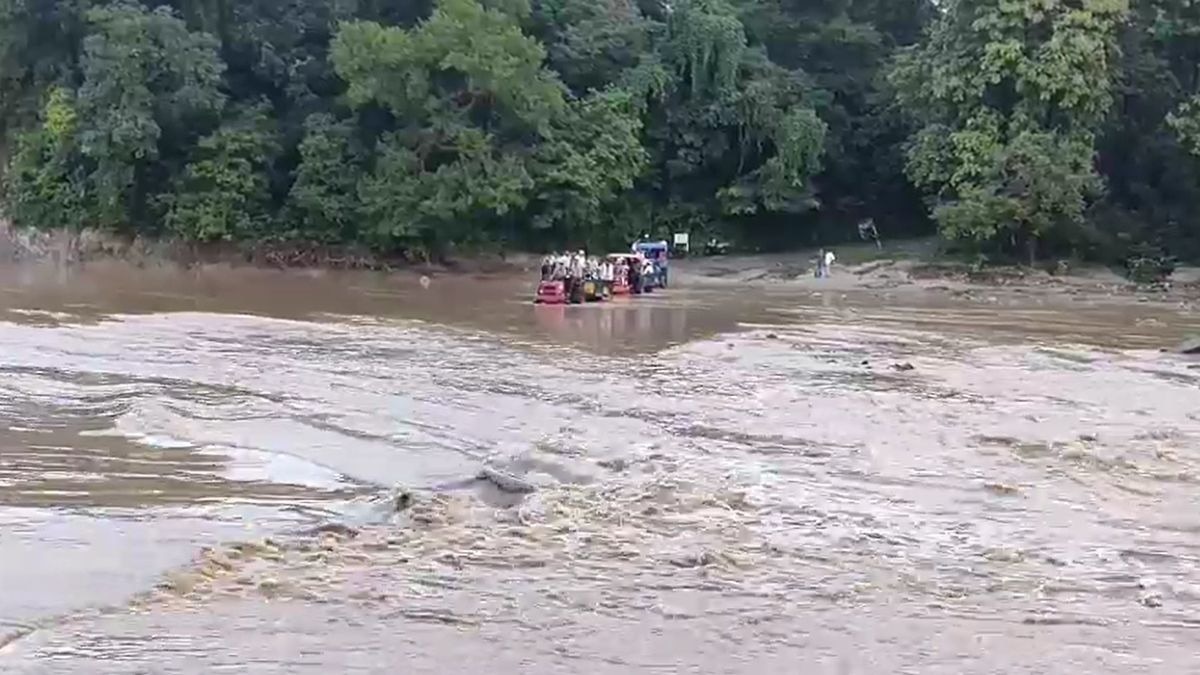
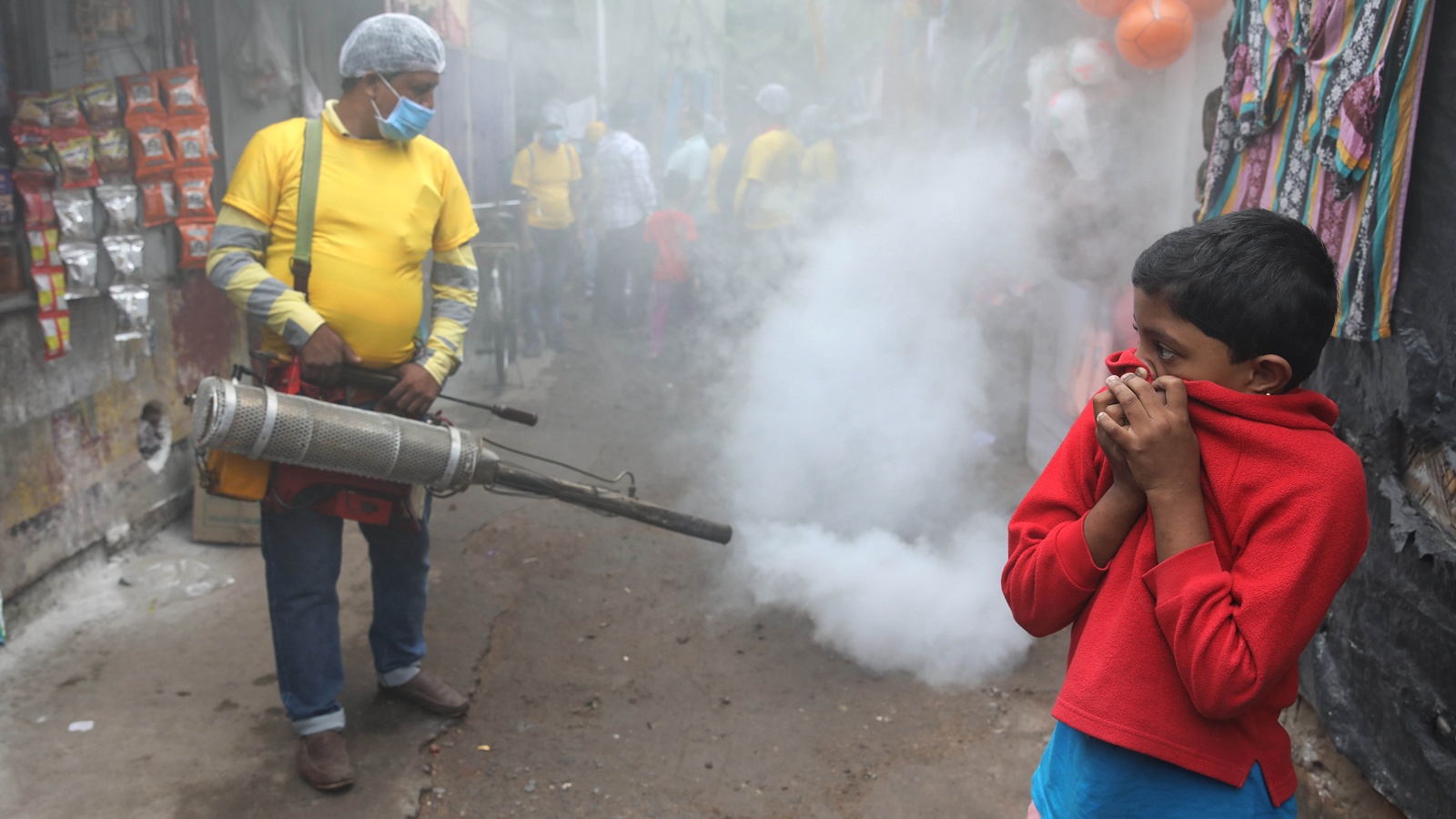
Following the devastating tragedy in Nepal, authorities in Bihar have issued a critical health advisory. Citizens are warned not to catch, buy, or consume fish from the flood-affected waters flowing from Nepal.
- Health risks identified in fish caught from Nepal's flood-affected rivers.
- Bihar authorities warn citizens against buying or selling flood-borne fish.
- Nepal Police has issued alerts regarding Bhotekoshi and Trishuli river waters.
In the wake of the recent natural disaster in Nepal, the neighboring state of Bihar has entered a state of heightened alert. Authorities have issued a stern warning to citizens, particularly those residing in the Gandak belt, advising them not to consume, buy, or sell fish caught from the floodwaters flowing in from Nepal.
The primary concern stems from the potential contamination of fish due to the massive influx of pollutants, debris, and biological hazards carried by the floodwaters. Experts suggest that these fish may carry toxins or pathogens that could lead to severe health complications if ingested by humans.
Why This Matters
BozokMedia analysis shows that transboundary environmental disasters pose a unique challenge to regional food security. When sudden floods occur in the Himalayan foothills, the entire aquatic ecosystem is disrupted, potentially introducing harmful chemicals into the local food chain that can persist in fish tissue.
The sudden alteration of river chemistry during flash floods creates a high-risk environment for biological contamination in local fish populations.
The advisory extends beyond Bihar's borders. The Nepal Police has also issued critical warnings to residents near the Bhotekoshi and Trishuli rivers, cautioning them against drinking the river water or consuming any fish caught from these specific water bodies.
Historical Background
The relationship between Himalayan hydrological shifts and the plains of Bihar is long-standing. Historically, major flooding events in the Kosi and Gandak river systems have been followed by outbreaks of waterborne diseases and food-related illnesses, highlighting the necessity of proactive health monitoring during such crises.
Frequently Asked Questions
Question 1: Which specific areas are most at risk in Bihar?
Answer: The Gandak belt and other districts bordering Nepal are under high alert.
Question 2: What are the specific rivers mentioned in the Nepal alert?
Answer: The Bhotekoshi and Trishuli rivers have been specifically flagged by the Nepal Police.