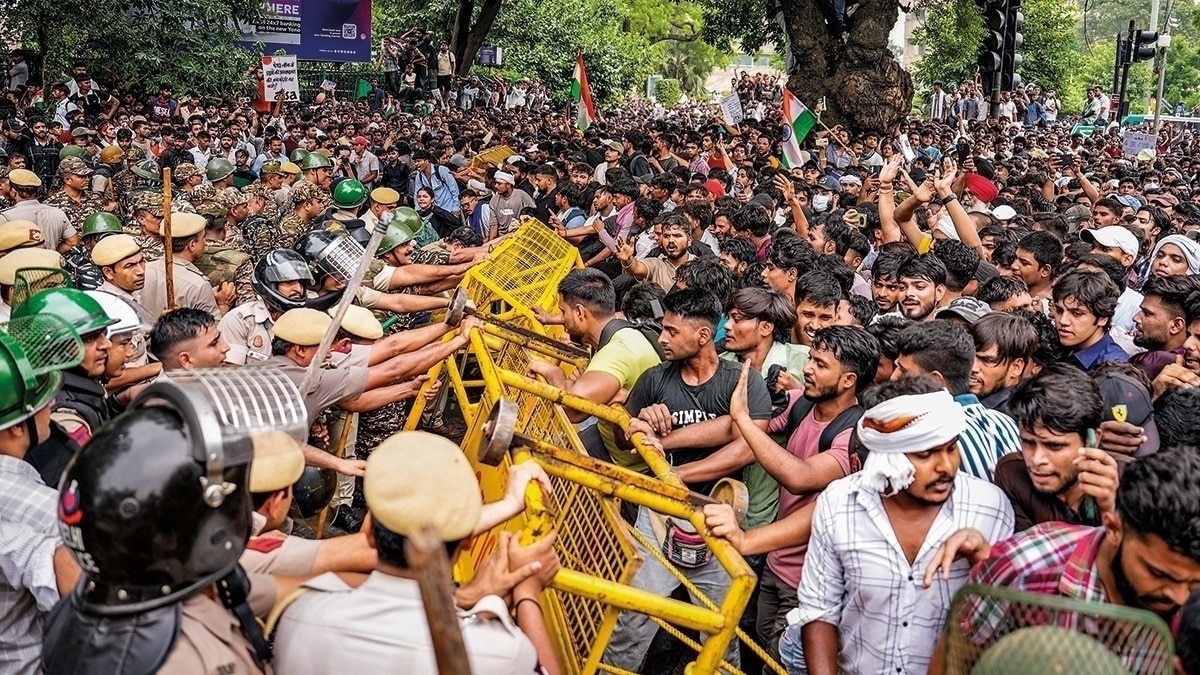
The Cockroach Janta Party (CJP) has officially withdrawn its planned Delhi march for September 5 after receiving positive assurances from the Central Government and a directive from the Supreme Court.
- CJP officially revoked the call for the September 5 march in Delhi.
- The decision follows positive assurances from the Central Government during SC hearings.
- Both the Solicitor General and CJP leadership emphasized a spirit of mutual cooperation.
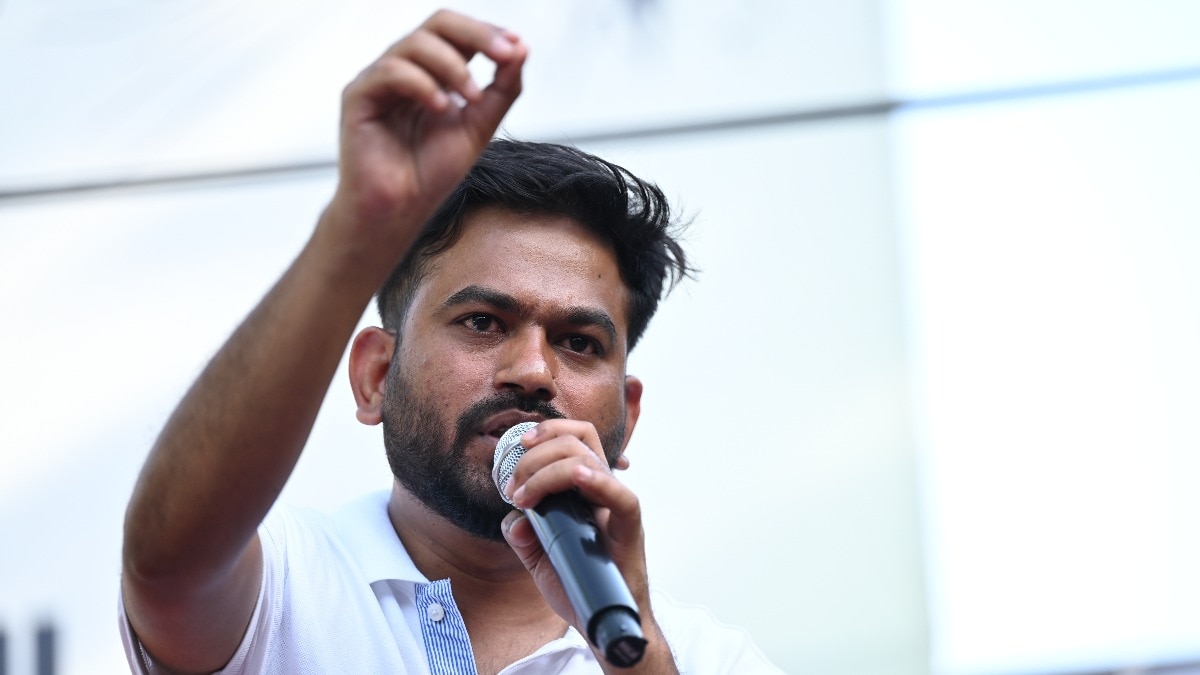
In a significant legal development at the Supreme Court of India, the Cockroach Janta Party (CJP) informed the bench that it is withdrawing its planned protest march scheduled for September 5. The organization's convener, Saurav Das, stated that the decision was based on the positive assurances provided by the Central Government and the judicial dignity of the court's orders.
During the proceedings, the Solicitor General of India, Tushar Mehta, addressed the court, noting that the protesters had acted out of apprehension that the government might not fulfill its promises. He expressed confidence that the government's clarifications would lead to a positive response from the agitators, thereby avoiding the march.
Why This Matters
BozokMedia analysis shows that this strategic retreat by the CJP highlights the efficacy of judicial mediation in preventing large-scale urban disruption. By shifting the conflict from the streets of Delhi to the halls of the Supreme Court, the government has successfully neutralized a potential law-and-order crisis through diplomatic assurance.
The transition from street protests to judicial settlements marks a victory for institutional dialogue over populist agitation.
The Chief Justice of India (CJI) played a pivotal role, remarking that if both parties exhibit good faith, the entire matter can be resolved amicably. This observation acted as a catalyst for the current consensus between the state and the organization.
Solicitor General Tushar Mehta further praised the CJP, stating that they had been extremely positive and cooperative, emphasizing that the two parties are not enemies but collaborators in seeking a resolution.
Frequently Asked Questions
Question 1: Why did the CJP withdraw the September 5 march?
Answer: The withdrawal was a result of positive assurances from the Central Government and the orders passed by the Supreme Court.
Question 2: What was the role of the Solicitor General in this case?
Answer: The Solicitor General assured the court and the protesters of the government's commitment, bridging the trust gap that led to the march announcement.