India has formally rejected the Permanent Court of Arbitration's recommendation to restore the 65-year-old Indus Waters Treaty and limit hydroelectric projects in Kashmir following the Pahalgam attacks.
- India rejects PCA's suggestion to restore the Indus Waters Treaty.
- The Permanent Court of Arbitration advised India to limit hydropower work in Kashmir.
- The treaty was unilaterally suspended by India after the April 2025 Pahalgam attack.
- Tensions remain high over water sharing and cross-border terrorism.
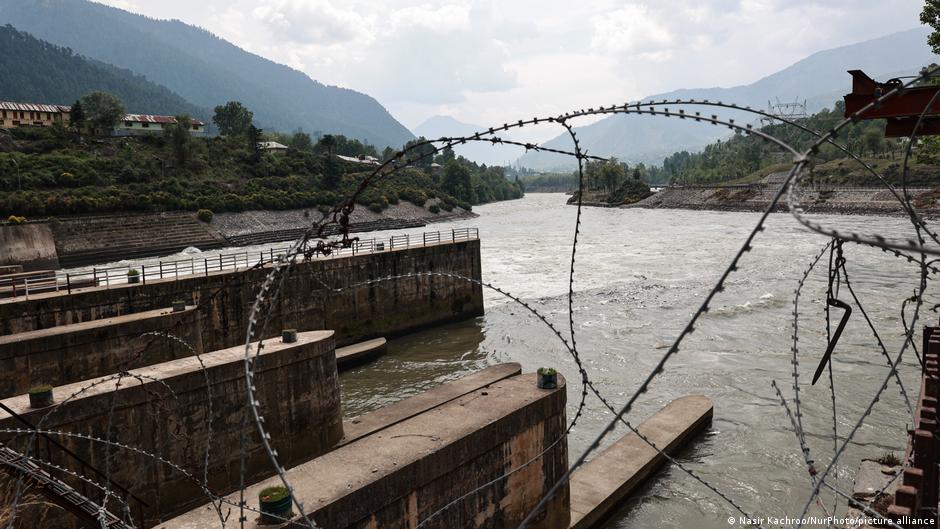
In a significant diplomatic escalation, India has dismissed a recommendation from the Permanent Court of Arbitration (PCA) based in The Hague. The court had urged India to adhere to the Indus Waters Treaty (IWT), a 65-year-old agreement governing the sharing of river waters with Pakistan, and suggested that India limit its construction of hydroelectric plants in the Kashmir region.
India's refusal marks a hardening of its stance toward Islamabad. The treaty had been unilaterally suspended by New Delhi following the devastating Pahalgam attack in April 2025. The Indian government has consistently maintained that "blood and water cannot flow together," emphasizing that cooperation is impossible while state-sponsored terrorism continues.
Why This Matters
BozokMedia analysis shows that India is shifting from a policy of strict adherence to international treaties toward a strategy of 'resource leverage.' By questioning the validity of the IWT, India is signaling that it will no longer allow international agreements to shield Pakistan from the consequences of its hostile actions.
"The Indus Waters Treaty is no longer just a technical agreement on water; it has become a central pillar of India's national security strategy against cross-border aggression."
Historically, the treaty signed in 1960 under the mediation of the World Bank is considered one of the most successful water-sharing agreements globally. It allocated the western rivers (Indus, Jhelum, and Chenab) primarily to Pakistan and the eastern rivers (Ravi, Beas, and Sutlej) to India. However, the rise in regional instability has pushed India to reconsider the terms of this arrangement.
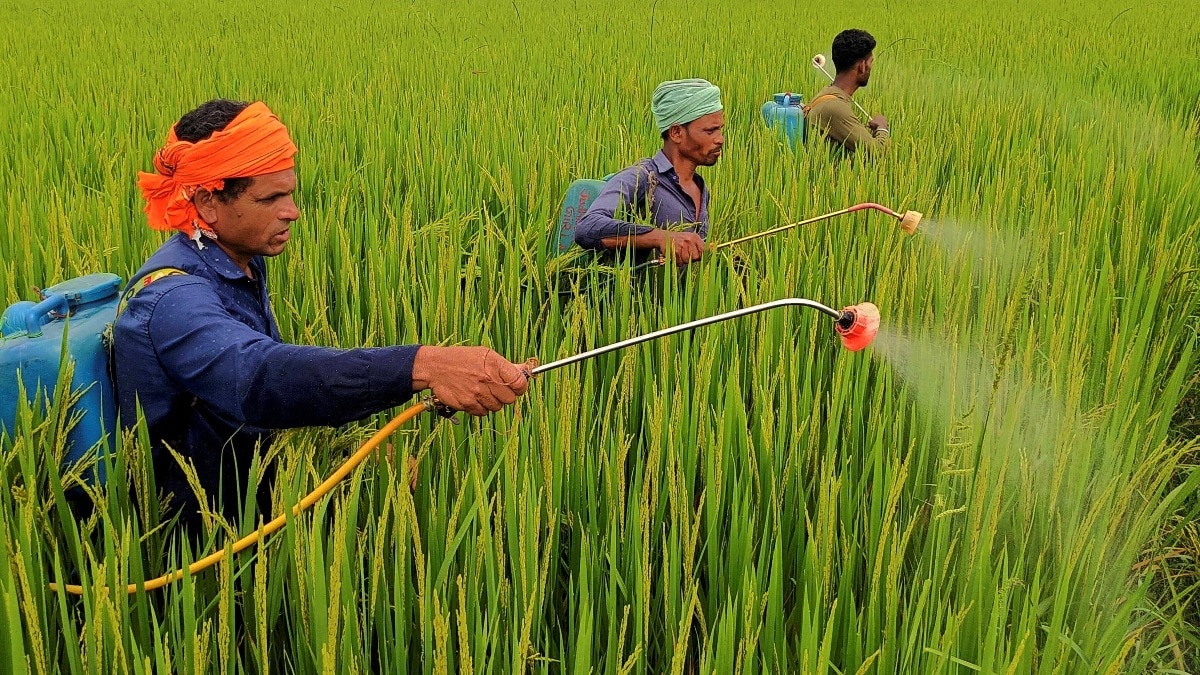
Pakistan, whose agrarian economy is heavily dependent on these waters, has repeatedly called for the restoration of the treaty. It views India's hydroelectric projects as a means to control water flow, while India views them as essential for its energy independence and development in the Union Territory of Jammu and Kashmir.
| Feature | India's Position | Pakistan's Position |
|---|---|---|
| Treaty Status | Suspended post-Pahalgam attack | Demanding immediate restoration |
| Hydropower Plants | Crucial for energy security | Viewed as water manipulation |
| Primary Condition | Cessation of cross-border terror | Adherence to legal obligations |
Frequently Asked Questions
Q1: What is the Indus Waters Treaty?
It is a 1960 water-sharing treaty between India and Pakistan mediated by the World Bank.
Q2: Why did India suspend the treaty?
India suspended the treaty in response to the April 2025 Pahalgam attack, citing national security concerns.