India has extended key rail services to the Nepal border with a somber ceremony following devastating floods, while the Environment Ministry accelerates international diplomacy ahead of the UN climate summit.
- Four train services extended from Bahraich to Nepalganj Road railway station.
- Ceremony kept low-key with a two-minute silence for Nepal flood victims.
- Environment Ministry engaged in high-level talks with BRICS, Japan, and Mongolia.
In a significant yet understated move, the Indian government on Monday extended four existing train services from Bahraich in Uttar Pradesh to the Nepalganj Road railway station near the Nepal border. The launch was notably devoid of the usual fanfare, a deliberate choice made in response to the devastating flash floods that recently ravaged the neighboring nation of Nepal.
Railway Minister Ashwini Vaishnaw participated in the event virtually from Rail Bhawan, while Chief Minister Yogi Adityanath oversaw the proceedings. In a poignant gesture, the leaders observed a two-minute silence before inaugurating an undecorated train on the Nepalganj Road-Varanasi City section. The customary waving of the green flag and flower-decked carriages were omitted to maintain a tone of solemnity and solidarity.
The extension marks the successful completion of gauge conversion and electrification of the 56-km Nepalganj Road-Nanpara-Bahraich rail section. This infrastructure upgrade is expected to streamline logistics and enhance connectivity in a strategically sensitive border region.
Why This Matters
BozokMedia analysis shows that this 'low-key' approach is a masterclass in diplomatic sensitivity. By stripping away the celebratory elements of a typical infrastructure launch, India communicated a message of empathy to Nepal during its hour of crisis. It signals that while India is committed to regional connectivity, it prioritizes the human element of bilateral relations over political optics.
Infrastructure diplomacy is most effective when it balances strategic expansion with genuine humanitarian empathy.
Parallel to these regional developments, the Ministry of Environment has undergone a whirlwind August. Preparing for the annual UN climate conference in Antalya, Turkey, the ministry has been engaged in a series of high-stakes multilateral engagements. This included hosting BRICS bloc meetings where climate resilience and sustainability were central themes.
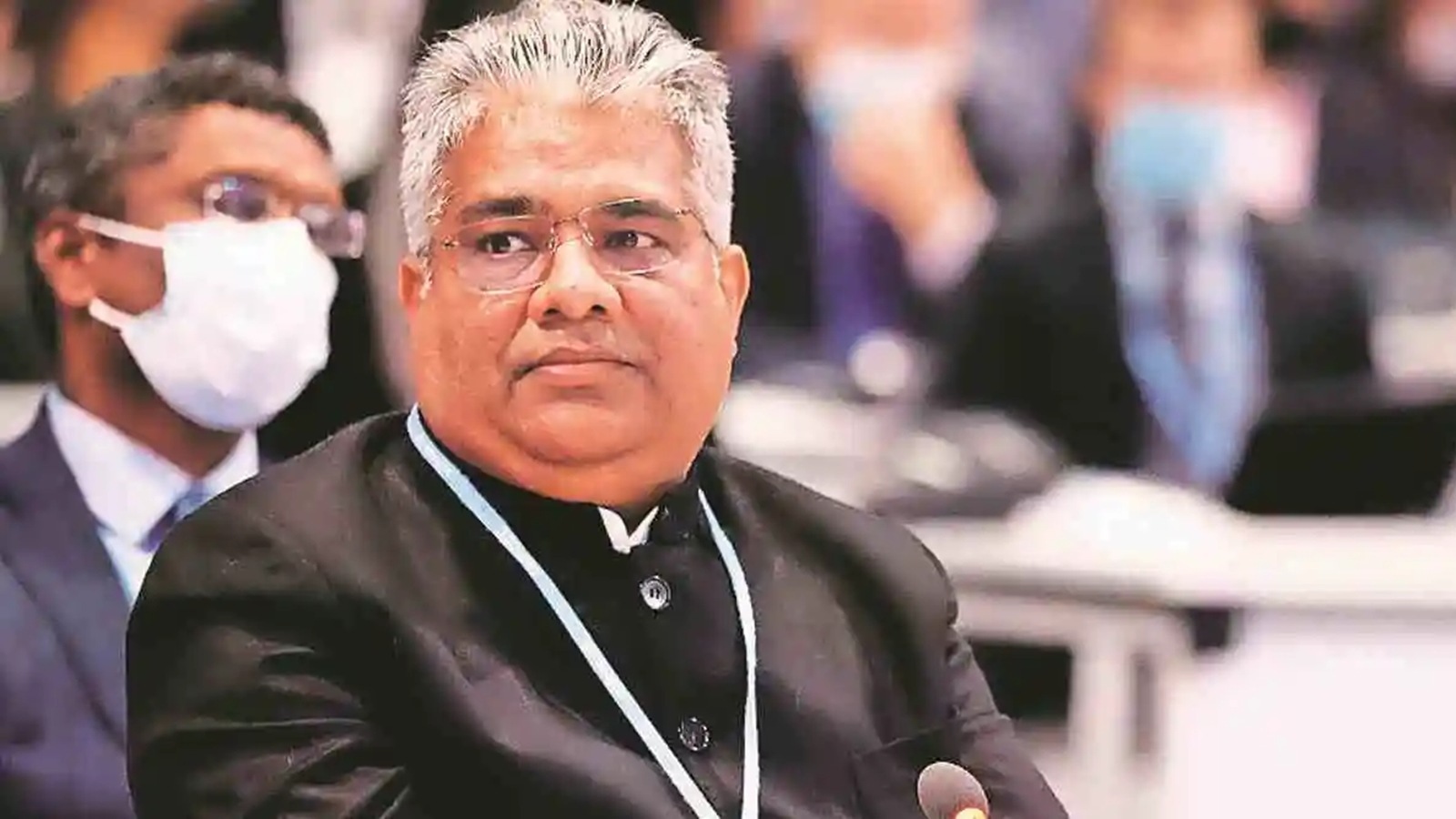
Environment Minister Bhupender Yadav further expanded India's global footprint through a meeting with Japan’s State Minister for Environment and a critical visit to Mongolia for the UN conference on combating desertification. The momentum continues with the Indo-German Environment Forum, emphasizing India's role as a pivotal player in global climate governance.
Frequently Asked Questions
1. Why was the railway launch near the Nepal border kept low-key?
The event was kept subdued out of respect for the victims of the devastating flash floods in Nepal, avoiding celebratory rituals to show solidarity.
The ministry is coordinating with global partners like BRICS, Japan, and Germany to align strategies ahead of the UN climate conference in Turkey, focusing on desertification and sustainability.